Colors and Light – How They Influence the Perception of a Chair’s Comfort

Colors and Light – How They Influence the Perception of a Chair’s Comfort
When we sit down in a chair, comfort is not only about cushioning, ergonomics, or materials. The surroundings – especially colors and light – play a much larger role than we often realize. Our senses work together, and the visual environment can change how we perceive warmth, space, and relaxation. Let’s explore how colors and light influence the perception of a chair’s comfort – and how you can use this knowledge to create more inviting interiors in your home or workspace.
The Psychology of Color – Beyond Aesthetics
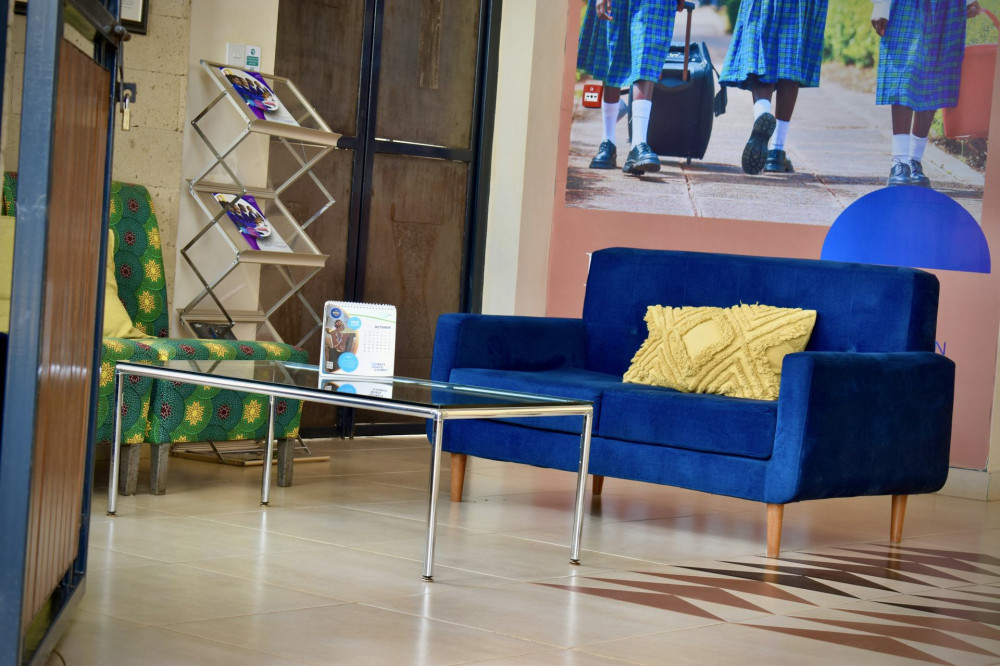
Colors affect our mood and even our physical sensations. A chair in a warm shade like terracotta, mustard, or deep maroon can feel more welcoming and soft, even if it’s made from the same material as a chair in cooler tones. Warm colors are associated with closeness and comfort, while cool colors like blue or grey often evoke calmness and distance.
- Warm colors create a sense of coziness and intimacy but can feel heavy in small or dimly lit rooms.
- Cool colors give a fresh, airy impression but may seem less “soft” or inviting.
- Neutral colors such as beige, sand, or taupe act as flexible backgrounds, where texture and lighting play a greater role in perceived comfort.
When choosing a color for a chair, it’s not just about matching your décor – it’s about shaping the emotional atmosphere around it.
The Role of Light in Comfort Perception
Light can transform everything. A chair that looks warm and inviting in daylight may appear cold and stiff under harsh white artificial light. Light affects both how colors appear and how our bodies respond to the environment.
- Natural light enhances the authenticity of materials and creates a relaxed, organic atmosphere.
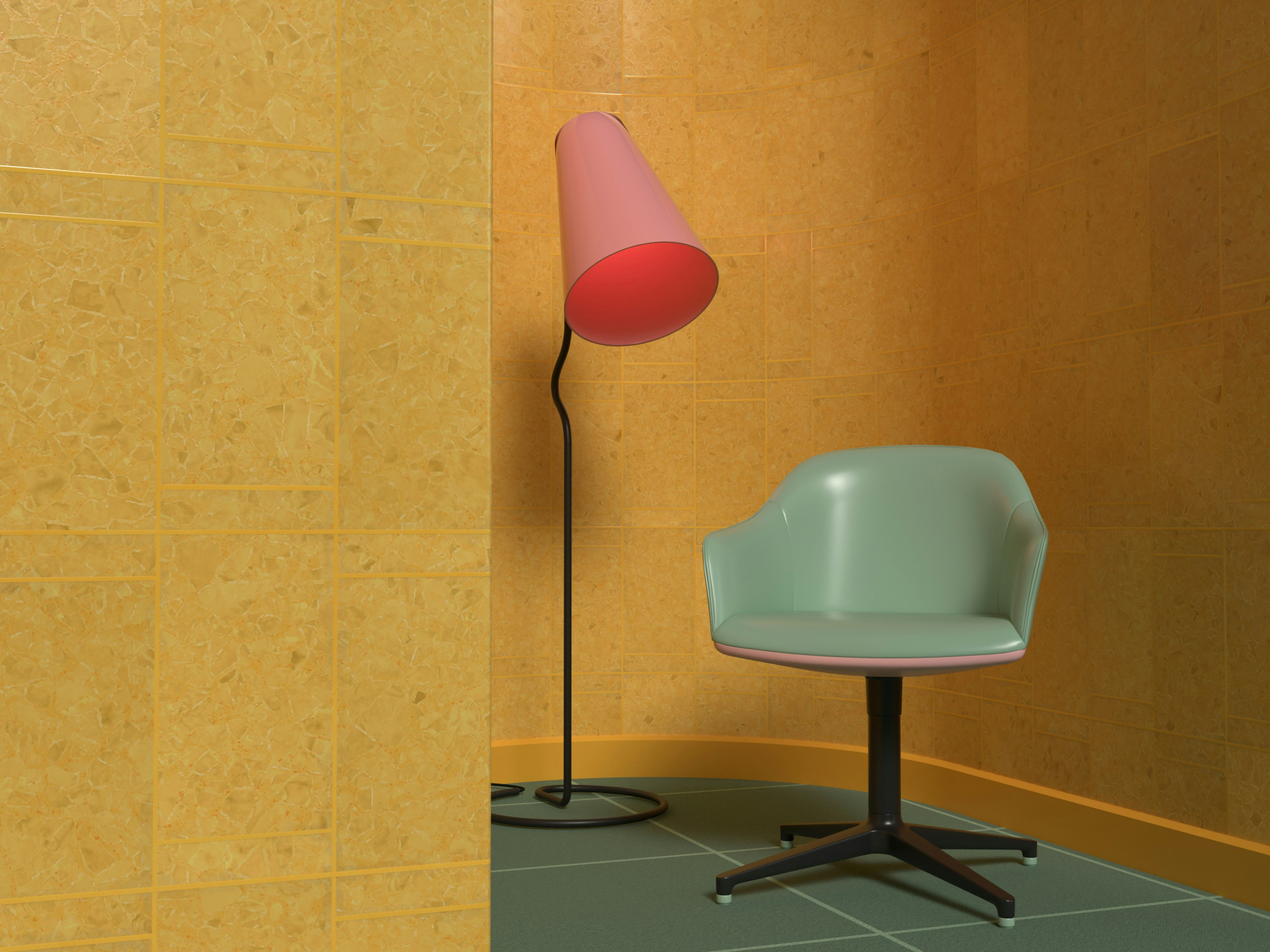
- Warm artificial light (with a lower color temperature) adds a cozy glow, making fabrics and wood appear softer.
- Cool light (with a higher color temperature) feels more energetic and functional but can make a space less inviting for rest.
The placement of the chair in relation to windows and lamps also matters. A chair in a corner with soft, indirect light often feels more comfortable than one exposed to direct sunlight or a bright overhead bulb.
The Interaction Between Color, Light, and Material
True comfort emerges from the interplay of color, light, and material. A dark brown leather chair may feel heavy in a dim room but elegant and warm in golden afternoon light. A light fabric chair, on the other hand, can feel fresh and airy in daylight but somewhat cold under cool LED lighting.
Consider how your chair will look at different times of the day. For a reading nook, choose a chair in a warm tone and pair it with a lamp that emits a soft, warm glow. In a study or office, cooler colors and neutral lighting can help maintain focus and clarity.
Designing Comfort Through Color and Light
Designers today increasingly treat color and light as active elements in furniture design. It’s not just about aesthetics – it’s about creating a holistic experience where body and senses work together. A chair can be physically comfortable, but it only feels truly comforting when the surrounding environment supports the right mood.
If you want to enhance comfort in your own home, start with small adjustments:
- Replace the bulb near your favorite chair with one that gives a warmer tone.
- Move the chair closer to a window to make the most of natural daylight.
- Add cushions or throws in colors that evoke the feeling you want – calm, warmth, or freshness.
Comfort Is Also About Atmosphere
Ultimately, comfort is a complete experience. It’s not only about how the chair supports your body but also about how the space makes you feel. Colors and light can transform an ordinary chair into a place you naturally gravitate toward – to relax, read, or simply think. When you find the right balance, the chair becomes more than just a piece of furniture – it becomes a small sanctuary in your everyday life.