How to Keep Track of Changes in Electrical Installations

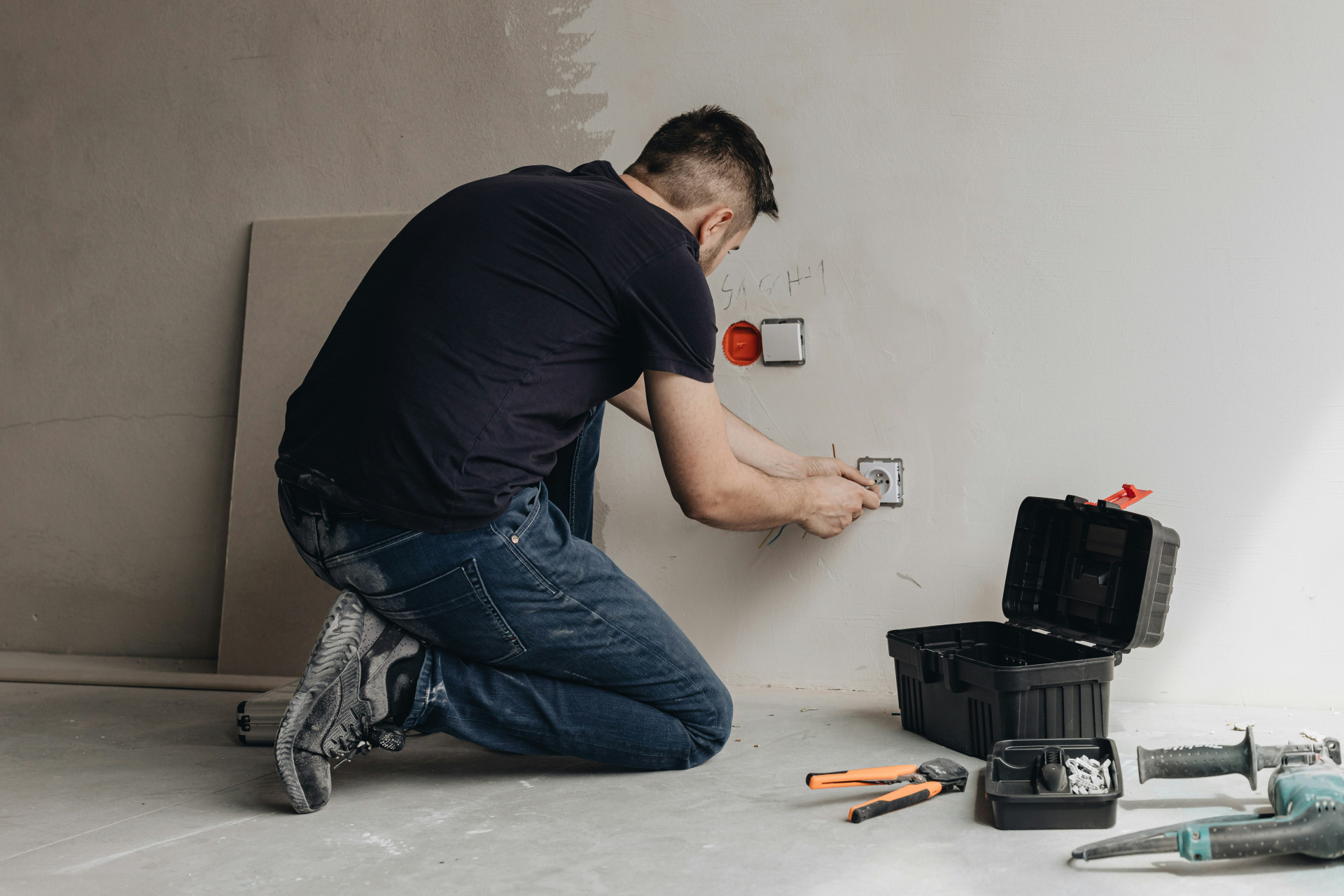
How to Keep Track of Changes in Electrical Installations
Electrical installations are the backbone of every home and workplace. They power our lights, appliances, and devices, yet they often remain hidden behind walls and ceilings. Because of this, it’s easy to overlook how important it is to keep track of any changes made to them. Whether you live in a city apartment or a house in a smaller town, maintaining proper records of electrical work helps ensure safety, compliance with Indian standards, and long-term reliability. Here’s a guide to help you stay organised and informed about your electrical installations.
Know the Rules and Your Responsibilities
In India, electrical work is governed by the Central Electricity Authority (CEA) and must comply with the Indian Electricity Rules and National Electrical Code (NEC). As a homeowner or building manager, you are responsible for ensuring that all electrical installations and modifications are carried out by a licensed electrician or registered electrical contractor.
You may replace a light bulb or plug on your own, but any work involving wiring, switchboards, or distribution panels should only be done by a qualified professional. This is not just a matter of regulation—it’s about safety. Faulty wiring can lead to electric shocks, short circuits, or even fires.
Always Ask for Documentation
Whenever electrical work is done, insist on proper documentation. A licensed electrician should provide a completion certificate or installation report that describes what was done and confirms that the work meets the required safety standards.
Keep these documents in a safe place along with your property papers, building plans, and maintenance records. They can be invaluable if you need to troubleshoot a problem later, apply for an electrical load increase, or sell your property. Remember: if you can’t show proof of what was done, it’s difficult to prove that it was done correctly.
Maintain an Electrical Log
Every time you make a change—whether it’s adding a new circuit, installing an inverter, or upgrading to energy-efficient lighting—record it in an electrical log. This can be a simple notebook, spreadsheet, or digital file. The goal is to have a clear record of what was changed, when, and by whom.
Include details such as:
- Date of the work
- Area or room where the change was made
- Description of the work done
- Name, license number, and contact details of the electrician
- Reference to any certificates or photos
An up-to-date log helps you track the evolution of your electrical system and makes future maintenance or upgrades much easier.
Use Photos and Diagrams
Photographs and diagrams are extremely useful for understanding your electrical layout. Take pictures before and after any work is done, especially if wiring or junction boxes will be concealed behind walls or ceilings. These images can save time and money later if you need to locate cables or troubleshoot a fault.
If you have access to your home’s floor plan, mark the positions of sockets, switches, and conduits. A visual record helps both you and any future electrician understand the system quickly and accurately.
Inspect Regularly
Even though electrical installations don’t require frequent servicing, it’s wise to inspect them periodically. Look out for:
- Loose or damaged switches and sockets
- Burn marks or unusual smells near electrical points
- Circuit breakers that trip repeatedly
- Old or frayed wiring
If you notice any of these signs, contact a licensed electrician immediately. Regular inspections can prevent small issues from turning into serious hazards.
When Buying or Selling Property
In India’s property market, documentation of electrical installations can add real value. When selling a home, providing certificates and maintenance records builds trust with buyers. When buying, ask for these documents to understand the condition of the electrical system and whether upgrades may be needed.
For larger buildings or housing societies, periodic electrical audits by certified professionals are often required by local authorities or insurance companies. Keeping your records organised makes these audits smoother and faster.
Make It a Habit
Keeping track of electrical changes doesn’t have to be complicated. It’s about building good habits: hire licensed professionals, collect and store documentation, maintain a simple log, and take photos when work is done. By doing so, you’ll have a safe, efficient, and well-documented electrical system that serves you reliably for years—and you’ll avoid unnecessary risks and expenses in the future.