Insulation that ensures a stable indoor climate all year round

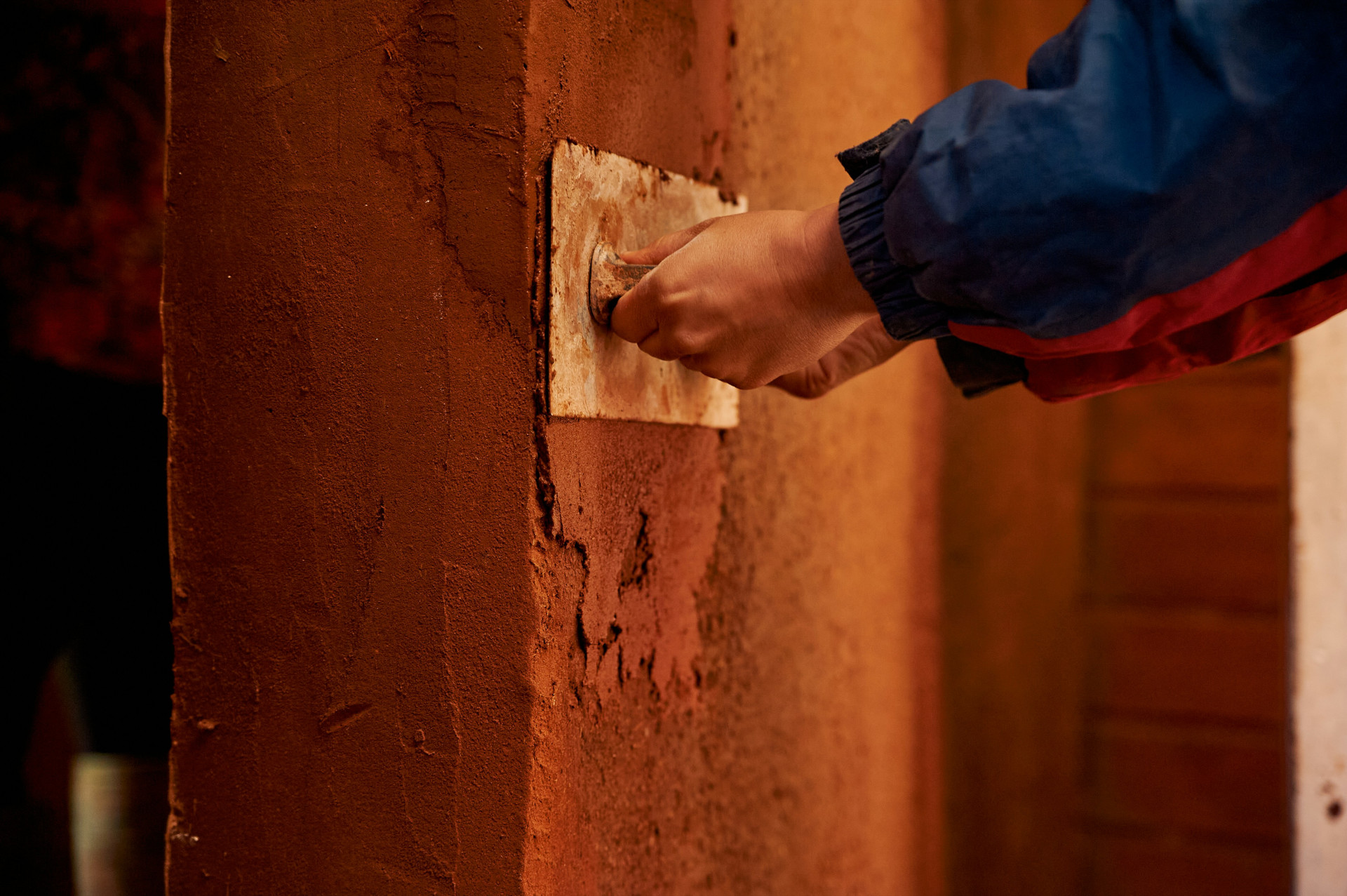
Insulation that ensures a stable indoor climate all year round
A comfortable indoor environment is not only about air conditioning or ventilation – it also depends on how well your home is insulated. Proper insulation helps maintain a stable indoor temperature throughout the year, keeping your home cool during scorching summers and warm during chilly winters. At the same time, it reduces energy consumption and enhances the durability of your building. Here’s how good insulation can make a noticeable difference in your everyday life.
Why insulation matters in India
India’s diverse climate – from the dry heat of Rajasthan to the humid coasts of Kerala and the cool winters of the north – makes insulation an essential part of modern home design. Many Indian homes, especially older ones, were built with little or no insulation. As a result, they heat up quickly during summer and lose warmth rapidly in winter. This leads to uncomfortable indoor conditions and higher energy bills due to increased use of fans, air conditioners, or heaters.
By improving insulation, you can reduce heat transfer through walls, roofs, and floors. This helps maintain a more consistent indoor temperature, reduces humidity problems, and makes your home more energy-efficient. It also lessens the strain on cooling and heating systems, extending their lifespan.
The most effective areas to insulate
When planning insulation, it’s important to focus on the areas that have the greatest impact on comfort and energy efficiency:
- Roof and attic – In most Indian homes, the roof is the main source of heat gain. Roof insulation or reflective coatings can significantly reduce indoor temperatures.
- External walls – Insulating walls helps prevent heat from entering during summer and escaping during winter. Cavity wall or external wall insulation can be effective solutions.
- Floors and basements – In colder regions, insulating floors can prevent heat loss and improve comfort.
- Pipes and ducts – Insulating hot water pipes and air-conditioning ducts reduces energy loss and prevents condensation.
A professional energy consultant or building expert can help identify where insulation will have the greatest effect in your home.
A stable indoor climate – in every season
Insulation is not just about keeping heat out; it also helps maintain warmth when temperatures drop. In northern India, where winters can be cold, good insulation ensures that indoor spaces stay comfortable without excessive heating. In southern and coastal regions, it prevents heat from penetrating the building, reducing the need for constant air conditioning.
When combined with proper ventilation, insulation helps maintain healthy indoor air quality. Systems with heat recovery can provide fresh air without losing the benefits of insulation, keeping humidity and mould under control.
Materials and methods
There are many insulation materials available in India, each with its own advantages depending on your building type, budget, and environmental preferences.
- Mineral wool (glass or rock wool) – A durable and fire-resistant material that provides both thermal and acoustic insulation.
- Polyurethane or spray foam – Offers high insulation performance and is ideal for sealing gaps and hard-to-reach areas.
- Expanded polystyrene (EPS) and extruded polystyrene (XPS) – Lightweight and moisture-resistant materials suitable for walls and roofs.
- Natural materials – Options like cork, coconut fibre, or cellulose insulation are eco-friendly and help regulate humidity.
It’s important that insulation is installed correctly to avoid air leaks or moisture problems. Professional installation ensures that materials are applied evenly and effectively.
Energy savings and long-term benefits
Insulation is an investment that pays off over time. Depending on your home’s condition and the materials used, you can reduce energy consumption by 20–40%. This means lower electricity bills and a smaller carbon footprint. In addition, well-insulated homes are more comfortable and often have higher property values.
Government initiatives and green financing options are increasingly supporting energy-efficient home improvements, making insulation a smart and sustainable choice for homeowners.
How to get started
- Assess your home’s energy performance – An energy audit can identify where heat is lost or gained.
- Choose the right solution – Consider your region’s climate, building type, and budget.
- Hire qualified professionals – Proper installation is key to achieving the best results.
- Think holistically – Combine insulation with ventilation and sealing for maximum comfort and efficiency.
Once the work is done, you’ll quickly notice the difference: a more stable indoor climate, lower energy use, and a home that feels comfortable all year round.
A better home for every season
Insulation is more than a technical upgrade – it’s an investment in comfort, health, and sustainability. A well-insulated home stays cooler in summer, warmer in winter, and more pleasant to live in every day. With the right planning and materials, you can create a living space that is energy-efficient, environmentally friendly, and comfortable – no matter what the Indian climate brings.