Prepare Tools and Materials for Efficient Flooring Installation

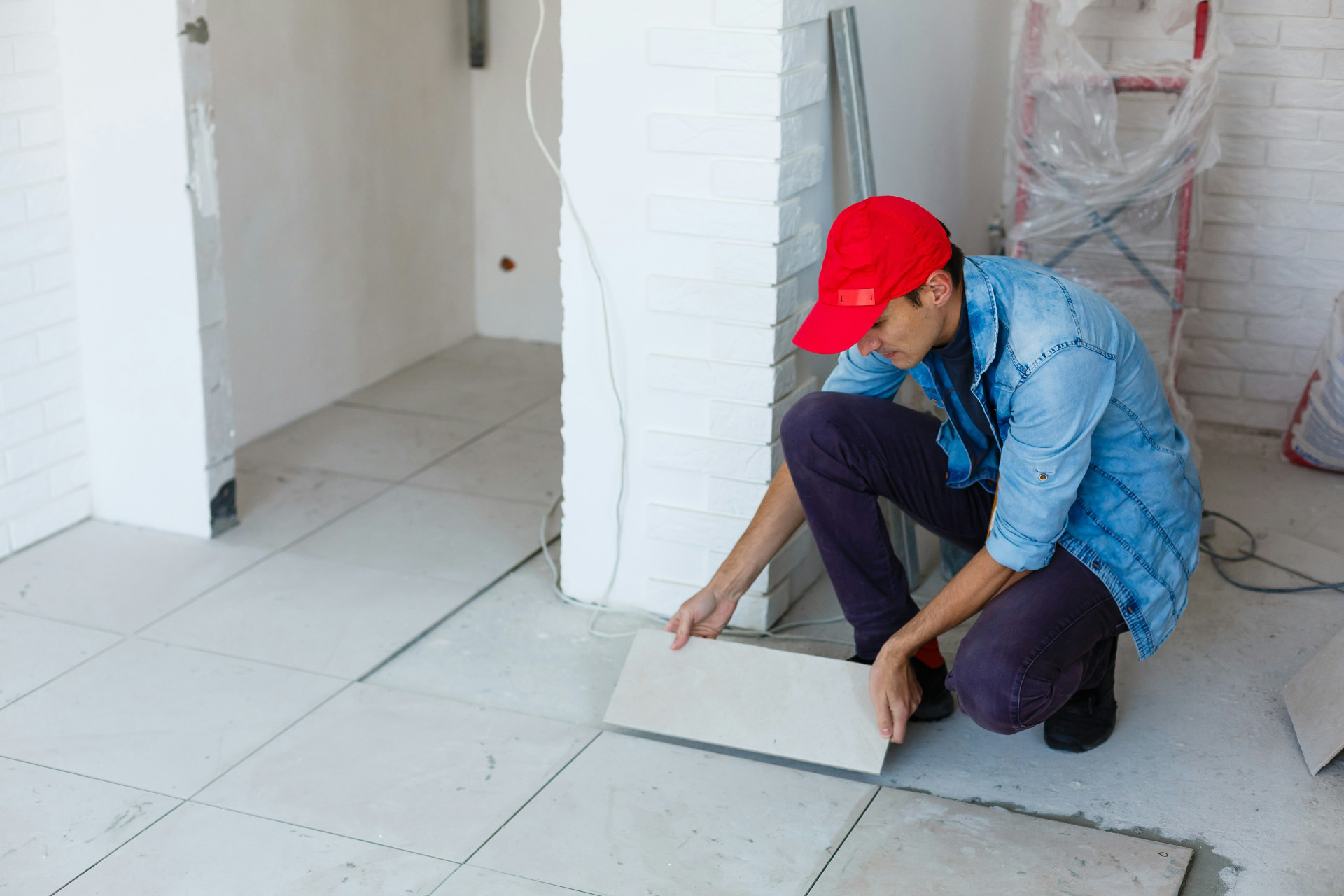
Prepare Tools and Materials for Efficient Flooring Installation
A successful flooring installation begins long before the first tile or plank is laid. Preparation is key — from assessing the subfloor to gathering the right tools and materials. Whether you are installing wooden flooring, laminate, or vinyl, careful planning can save you time, effort, and costly mistakes. Here’s a practical guide tailored for Indian homes and conditions to help you prepare efficiently for your flooring project.
Assess the Subfloor First
Before you start unpacking your flooring materials, make sure the subfloor is ready. An uneven or damp base can cause long-term issues such as creaking, gaps, or warping.
- Check for unevenness: Use a long spirit level or straightedge. Any unevenness greater than 2–3 mm per meter should be corrected with a leveling compound or by sanding.
- Test for moisture: In India’s humid climate, especially during monsoon season, moisture control is crucial. Use a moisture meter to ensure the subfloor is dry enough before installation.
- Clean thoroughly: Remove dust, grease, and old adhesive residues. A clean surface ensures better adhesion and a smoother finish.
Once the subfloor is dry, level, and clean, you’re ready to move on.
Choose the Right Materials
Your choice of flooring material should reflect both the function of the room and the local climate. Quality materials ensure durability and comfort.
- Solid wood flooring: Offers a natural, elegant look but requires maintenance and is sensitive to humidity. Best suited for air-conditioned spaces.
- Laminate flooring: Durable, affordable, and easy to install. Ideal for living rooms and bedrooms.
- Vinyl flooring: Water-resistant and comfortable underfoot, making it perfect for kitchens, bathrooms, and basements.
Don’t forget the underlayment. In Indian homes, a moisture barrier is essential over concrete floors, while soundproof underlays are useful in apartments.
Essential Tools for Flooring Installation
Having the right tools makes the job faster, safer, and more precise. Here’s what you’ll need:
- Measuring tape and pencil – for accurate measurements and markings.
- Spirit level – to ensure the floor is perfectly even.
- Circular saw or jigsaw – for cutting planks to fit around corners and walls.
- Rubber mallet and tapping block – to fit planks snugly without damage.
- Spacers – to maintain expansion gaps along the walls.
- Knee pads – to protect your knees during long hours of work.
- Flooring installation kit – often includes spacers, tapping block, and pull bar for convenience.
Investing in good-quality tools will make your installation smoother and more professional.
Plan the Work Step by Step
A clear plan saves time and reduces errors. Start by measuring the room and calculating how many planks or tiles you’ll need. Always buy 5–10% extra to account for cutting and waste.
- Acclimatize the materials: Let the flooring rest in the room for at least 48 hours before installation. This helps it adjust to the local temperature and humidity.
- Decide the direction: Generally, flooring looks best when laid parallel to the main source of light, such as windows or balcony doors.
- Stagger the joints: Avoid aligning joints in adjacent rows for a stronger and more attractive finish.
Proper planning ensures a seamless and efficient installation process.
Avoid Common Mistakes
Even small oversights can lead to big problems later. Here are some common pitfalls and how to avoid them:
- Skipping the moisture barrier: Always use a plastic sheet or vapor barrier over concrete floors to prevent moisture damage.
- Ignoring expansion gaps: Leave a 10–15 mm gap around the edges to allow for natural expansion and contraction.
- Rushing the process: Take your time to check each row before moving on.
- Poor measurements: Measure twice, cut once — it saves both time and materials.
Attention to detail during preparation will pay off in the long run.
Finish with the Final Touches
Once the flooring is installed, focus on the finishing details. Fit skirting boards or edge trims to cover expansion gaps and give the floor a polished look. Clean the surface thoroughly to remove dust and debris. For wooden floors, consider applying a protective coat of oil or lacquer to enhance durability.
Finally, step back and admire your work. A well-prepared and properly installed floor not only enhances the beauty of your home but also provides a strong, lasting foundation for everyday life.