Bedroom with space for both relaxation and activity

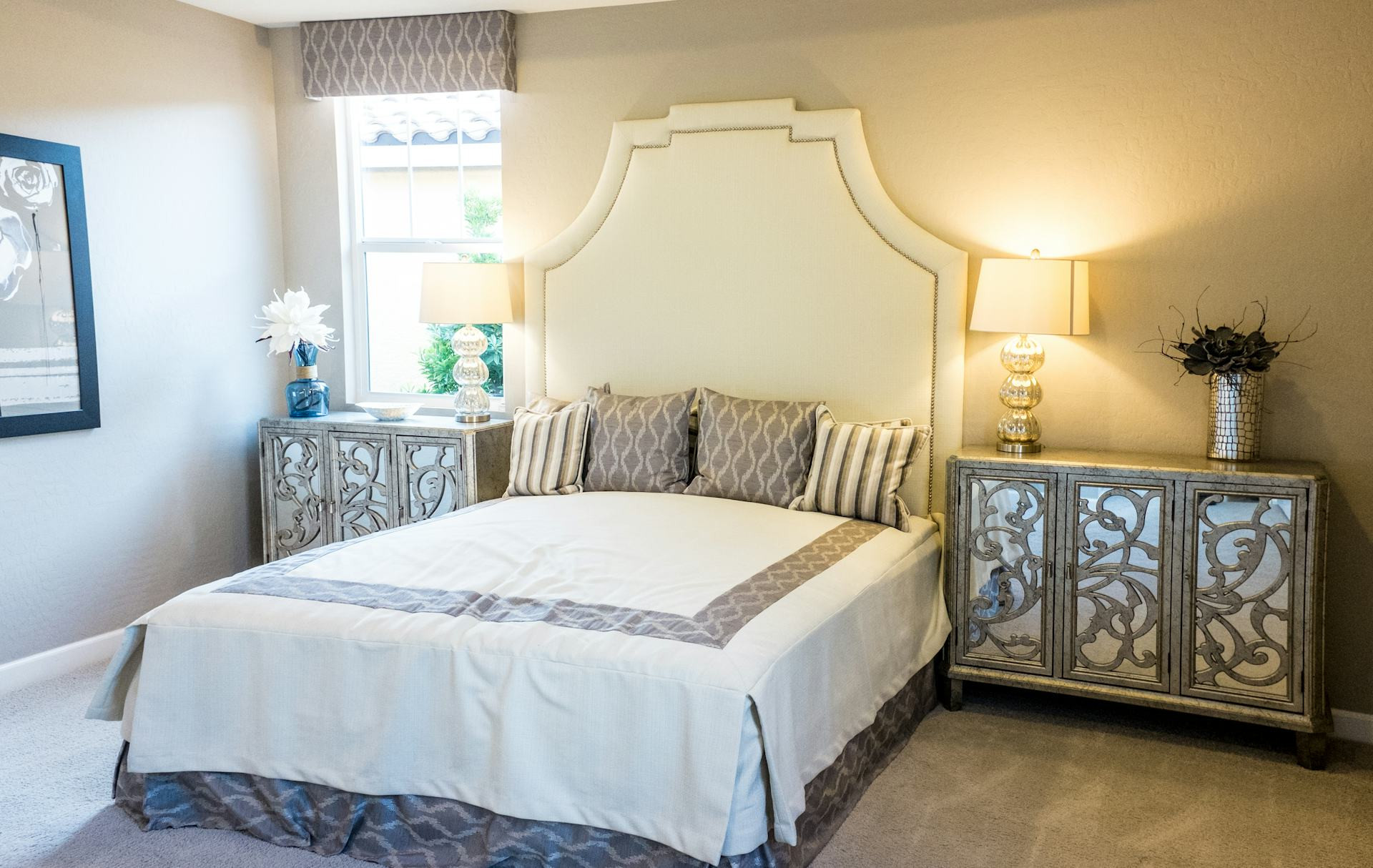
Bedroom with space for both relaxation and activity
The bedroom is one of the most personal spaces in any home – a place where we unwind, recharge, and find peace. But for many people in India, the bedroom is more than just a place to sleep. It often doubles as a reading corner, a small home office, or even a space for yoga and meditation. The challenge lies in creating a balance between calm and activity, so the room feels both restful and functional. Here’s how you can design a bedroom that supports both relaxation and energy.
Create zones within the room
A good starting point is to think in zones. Divide the room into areas with different purposes – for example, a sleeping zone, a reading or work zone, and perhaps a small movement zone for yoga or stretching.
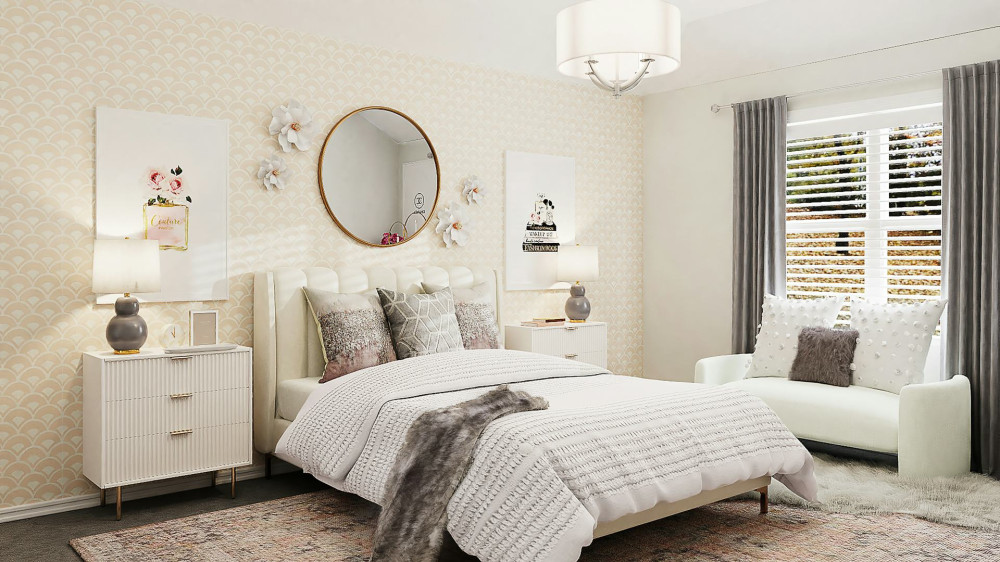
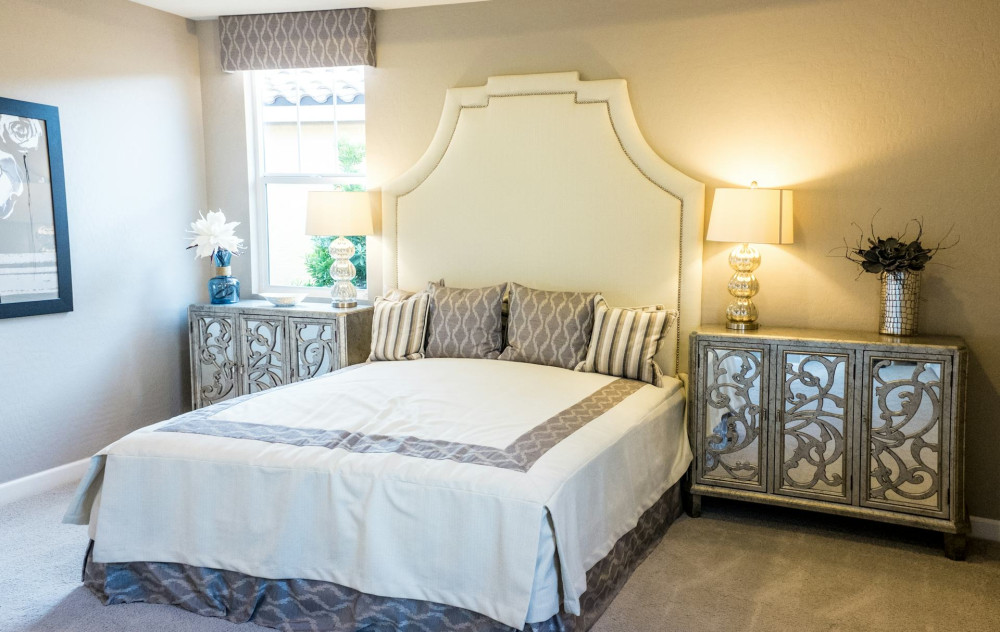
- The sleeping zone should be peaceful and free from distractions. Choose soothing colours, soft fabrics, and warm lighting around the bed.
- The activity zone can be defined with a rug, a chair, or a compact desk. Here, brighter colours and focused lighting can help you stay alert.
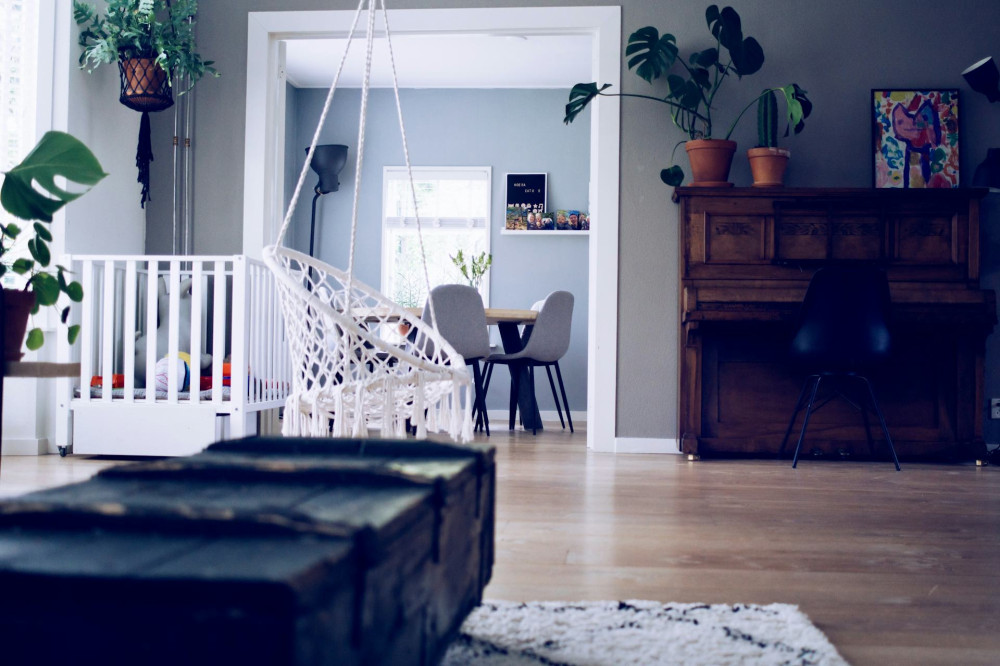
- The transition between zones can be softened with plants, a screen, or a curtain, so the room still feels cohesive.
By separating the functions in this way, you prevent your activities from disturbing your rest – and you get a space that works throughout the day.
Colours and materials that balance calm and energy
Colours have a strong influence on mood and energy. In a multifunctional bedroom, the goal is to find harmony between soothing and stimulating tones.
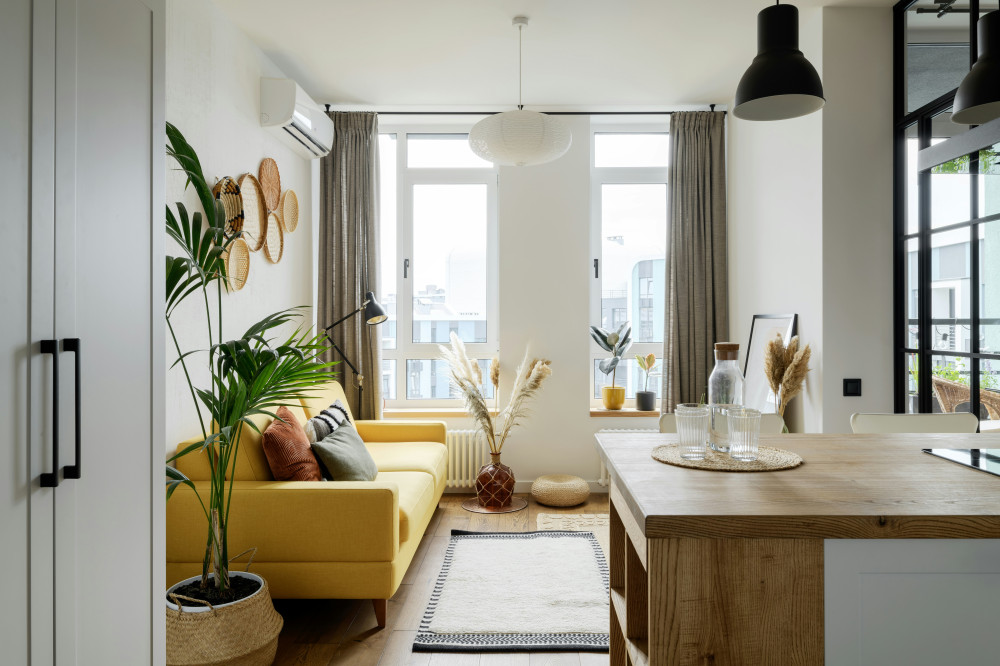
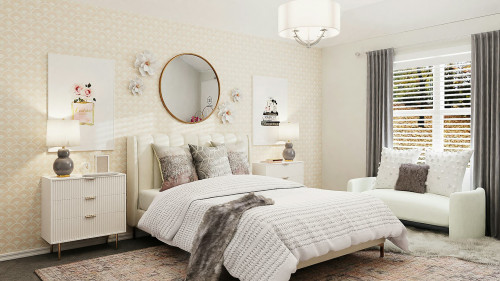
Neutral shades like beige, ivory, or soft grey create a calm base, while accents in earthy reds, mustard, or teal can add warmth and personality. Natural materials such as wood, cotton, and linen bring a sense of comfort, while touches of metal or glass can make the space feel more dynamic and modern.
Texture also matters: soft surfaces absorb sound and make the room feel cosy, while smooth finishes give a clean and energising look.
Lighting that adapts to your mood
Lighting plays a key role in how a room feels. In the bedroom, you should be able to shift between different light levels depending on the time of day and activity.
- Soft lighting near the bed helps you relax in the evening. Use lamps with warm tones and dimming options.
- Task lighting at a desk or reading corner provides focus when you need to work or study.
- Natural light is essential for well-being – keep curtains light and airy to let in daylight, but ensure they can block out light when you need rest.
With flexible lighting, you can easily move from morning energy to evening calm.
Furniture that serves multiple purposes
In Indian homes, where space is often limited, multifunctional furniture can make a big difference. A bench at the foot of the bed can serve as storage, seating, or even a yoga platform. A compact desk can double as a dressing table or study area.
Foldable or lightweight furniture allows you to change the room’s function during the day. This way, you can make space for activity without compromising on comfort.
Læs også:
Keep things organised – and your mind at ease
A peaceful bedroom depends on order. Clutter can quickly create stress, especially if the room also serves other purposes. Use closed cabinets, baskets, and drawers to keep things out of sight when not in use. This makes it easier to “switch off” from work or study and prepare for rest.
A simple habit like tidying up your desk before bed helps your mind transition from activity to relaxation.
A room that fits your rhythm
A bedroom with space for both relaxation and activity is ultimately about creating a space that matches your lifestyle. Maybe you like to start your day with meditation or yoga, or perhaps you need a quiet corner for reading or remote work. With thoughtful choices in colour, light, and layout, you can design a bedroom that supports both calm and energy – a personal retreat that feels truly your own.
Læs også: