Do an annual safety check of your home

Do an annual safety check of your home
A home should not only be comfortable – it should also be safe. Many people think about safety only after an accident happens, but a yearly safety check can prevent fires, water damage, and theft. It doesn’t have to be expensive or time-consuming – just a systematic review of your home to make sure everything works as it should. Here’s a guide to help you carry out a thorough safety check of your home.
Start with the most important: fire prevention
House fires often start from small mistakes that could have been avoided. Every year, make sure to check:
- Smoke alarms – test them and replace the batteries if needed. Smoke alarms usually last around 8–10 years, so replace them if they are older.
- Fire extinguisher – check that the pressure gauge is in the green zone and that the hose is not damaged. If you have a dry powder extinguisher, have it serviced or replaced every 5 years.
- Fire blanket – keep it in a visible and easily accessible place, such as the kitchen.
- Electrical wiring – look for loose plugs, frayed wires, and overloaded sockets.
It’s also a good idea to do a small fire drill with your family: How will you get out quickly if a fire starts? Where will you meet outside?
Prevent water damage and dampness
Water can cause serious damage if it leaks unnoticed. A yearly check can save you both trouble and money.
- Inspect the roof for loose tiles or leaks, especially before the monsoon season.
- Clean gutters and drains so that rainwater can flow freely.
- Check under sinks and around washing machines for moisture or drips.
- Make sure bathroom and kitchen drains are not clogged.
If you live in a house, consider installing a water leak sensor or a valve that automatically shuts off the water supply in case of a leak.
Make it harder for burglars
Home safety also means protecting yourself from unwanted visitors. Many burglaries happen because doors and windows are easy to break open.
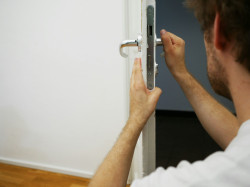
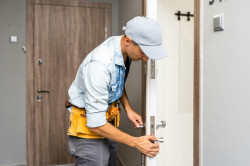
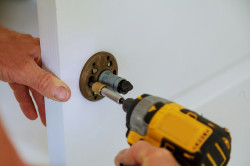
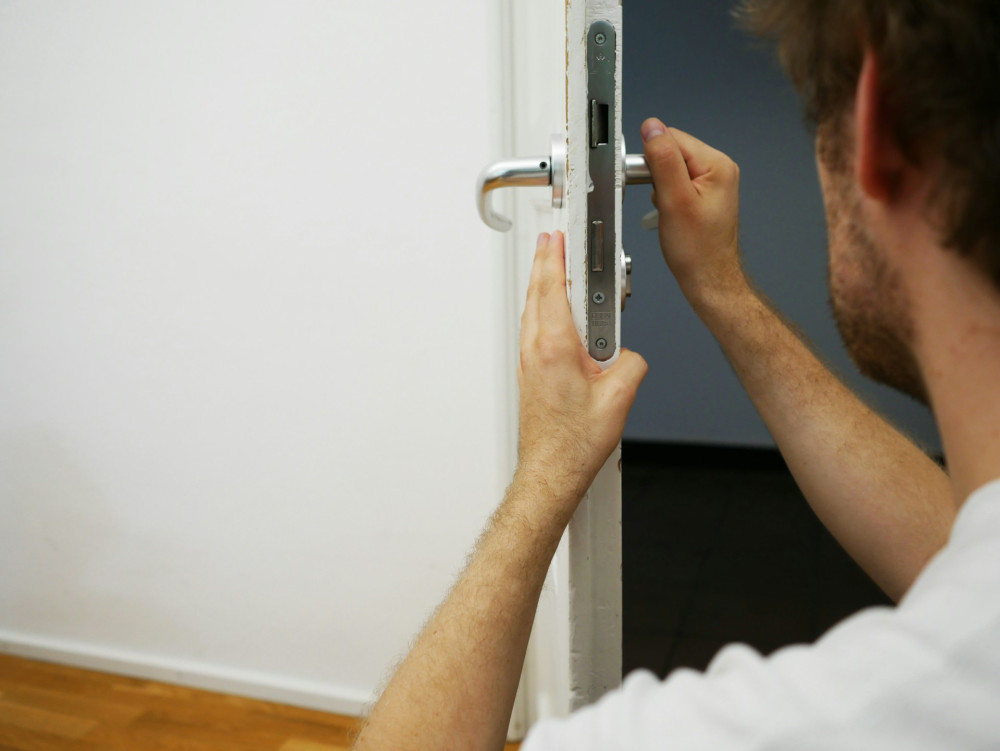
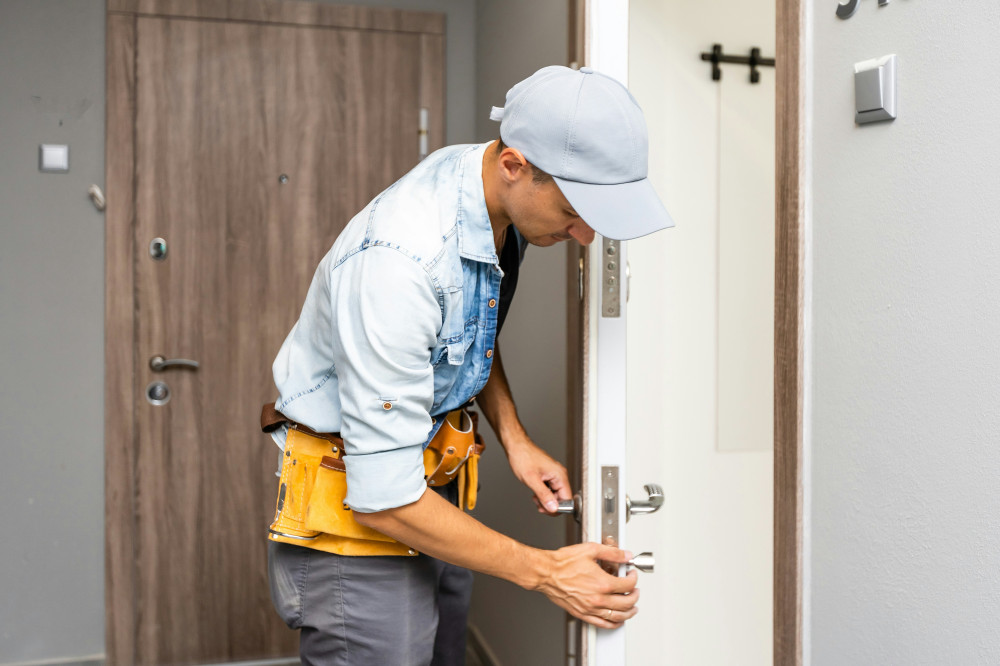
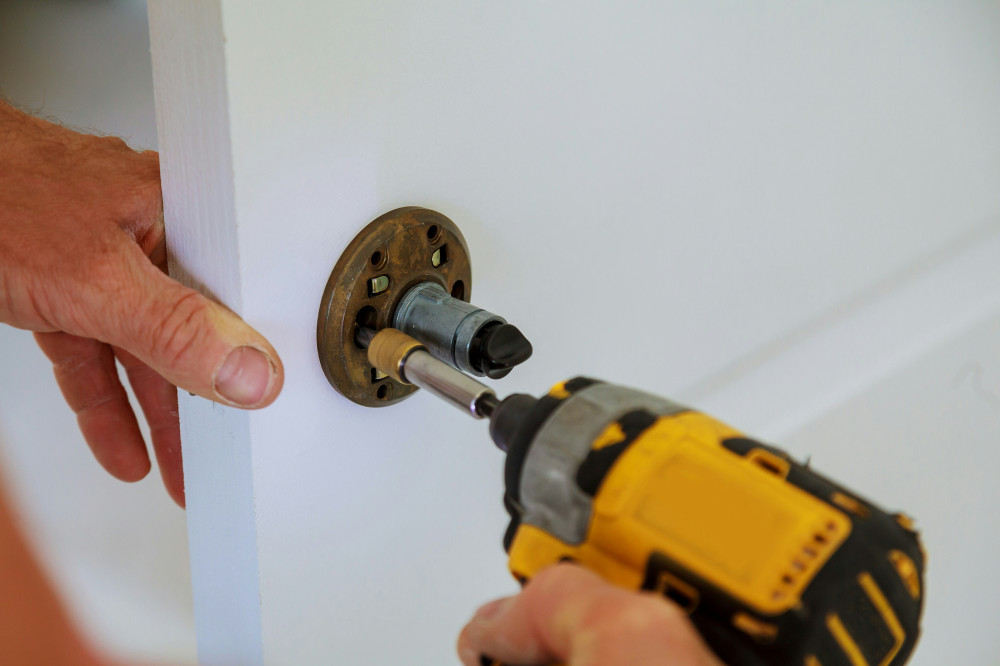
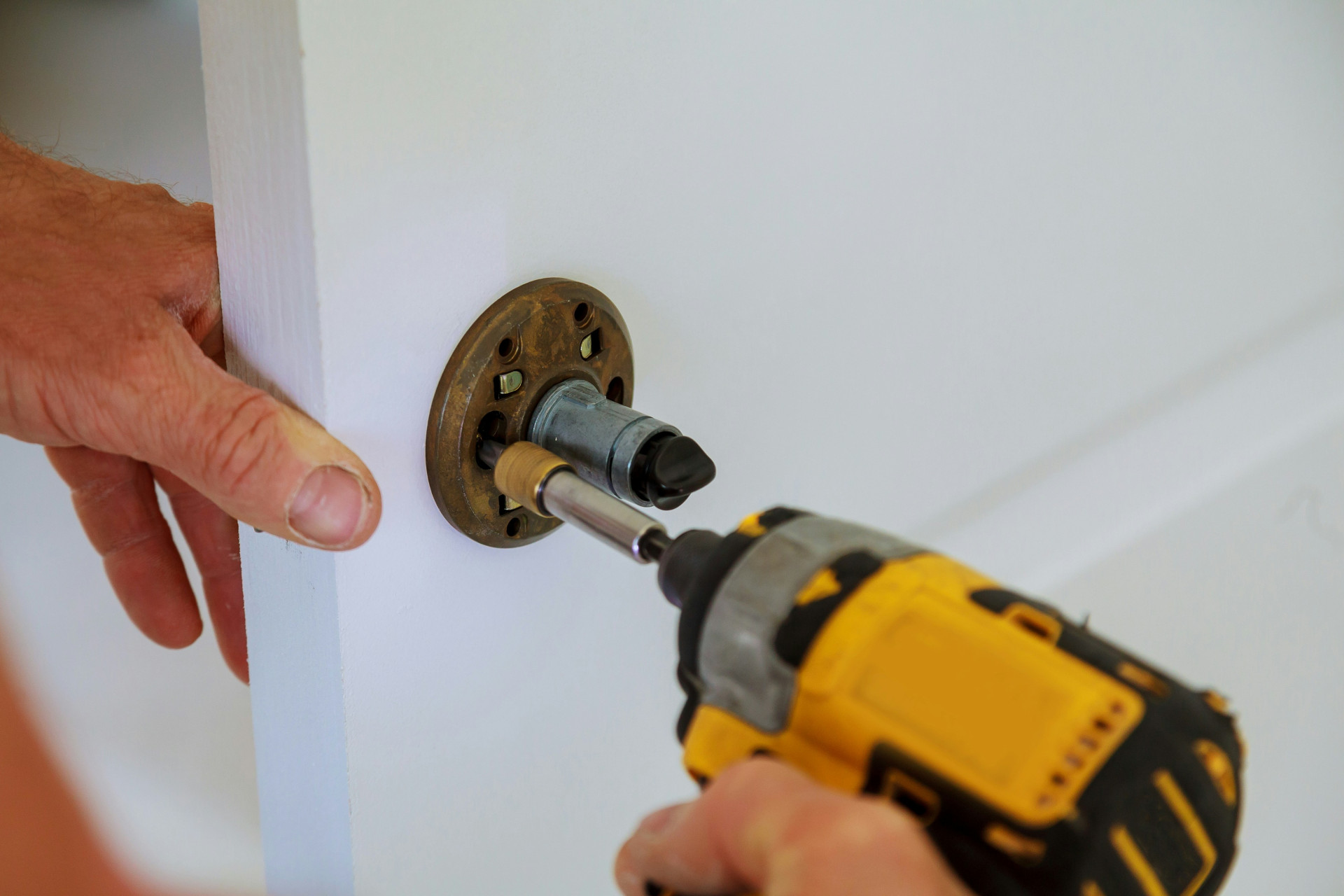
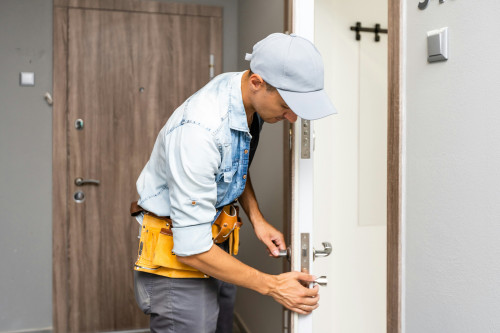
- Check that all locks work properly and that keys are not worn out.
- Consider adding extra bolts or security grills to windows and balcony doors.
- Ensure that outdoor lighting works – motion-sensor lights are especially effective.
- Trim bushes and trees near entrances so there are no hiding spots.
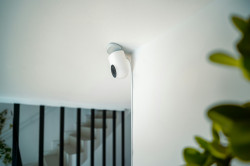
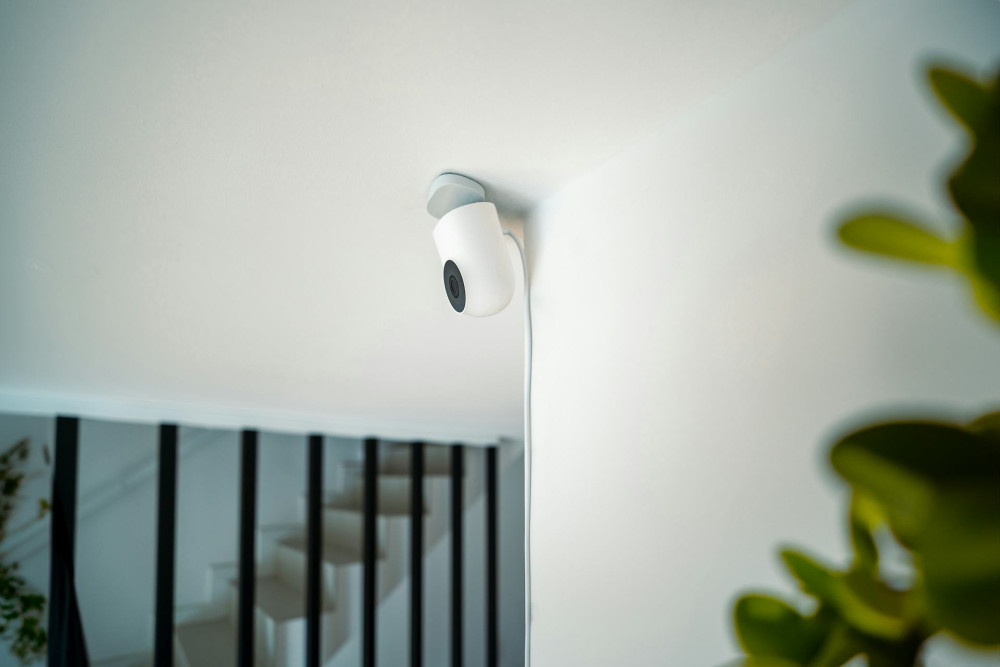
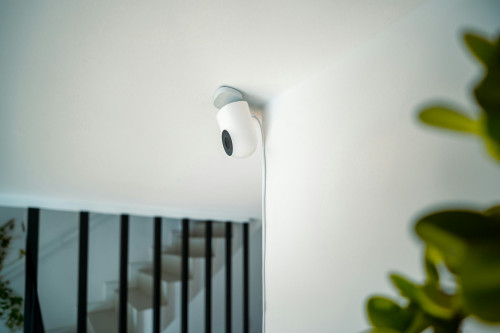
If you have a security system, test it and update any access codes. Even a visible security sticker can discourage intruders.
Læs også:


Everyday safety habits
Safety is not only about big checks but also about small daily habits. Make sure that:
- Your first-aid kit is complete and easy to find.
- Emergency numbers – such as ambulance, fire service, and local police – are saved on your phone and written down somewhere visible.
- Candles and incense sticks are never left unattended, and electrical appliances are turned off when you leave home.
It’s also useful to keep all safety-related information in one folder – receipts for equipment, service records, and important contact numbers.
Make the safety check a yearly tradition
It’s easy to forget, but if you set a fixed date – for example, before the monsoon or at the start of the new year – it will soon become a habit. You can even combine it with other household routines like deep cleaning or garden maintenance.
An annual safety check not only gives you peace of mind but can also help you meet insurance requirements if something goes wrong. Most importantly, it can save lives.
Læs også: