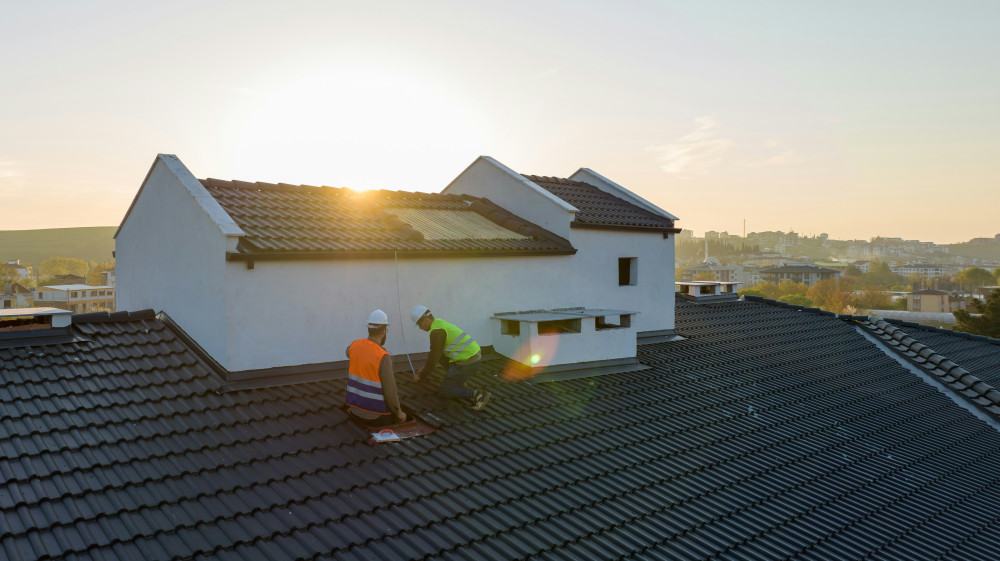
Concrete Roof Tiles – Do They Contribute to the Home’s Insulation?


Concrete Roof Tiles – Do They Contribute to the Home’s Insulation?
When choosing a roofing material for your home, factors like appearance, durability, and cost are often top of mind. But many Indian homeowners also wonder: does the roofing material affect how well the house stays cool or warm? Concrete roof tiles are a common choice in India for their strength and traditional look – but how much do they actually contribute to insulation?
Concrete Roof Tiles – Strong but Not Insulating by Themselves
Concrete roof tiles are made from a mixture of cement, sand, and water, which is molded and cured into solid tiles. The material is dense and heavy, providing excellent protection against rain, wind, and sunlight. However, concrete itself is not a good insulator compared to materials like polyurethane foam, glass wool, or other thermal insulation products.
This means that concrete roof tiles alone do not significantly insulate a home. Their main purpose is to shield the roof structure from the elements, not to prevent heat transfer. The real insulation lies beneath the tiles, usually in the form of roof or ceiling insulation.
The Thermal Mass Advantage
Although concrete tiles do not insulate, their high thermal mass can influence indoor comfort. Because they are heavy, they absorb and release heat more slowly than lighter roofing materials such as metal sheets.
In India’s hot climate, this can be beneficial. During the day, concrete tiles absorb heat gradually and release it slowly after sunset, which can help reduce the intensity of indoor temperature fluctuations. In cooler regions or during winter, they can also retain warmth for a longer period after exposure to sunlight. However, this effect is limited and should not be mistaken for true insulation.
Insulation Lies Beneath the Roof
When we talk about a roof’s insulating ability, what really matters is the insulation layer beneath the tiles. The thickness and quality of this insulation determine how effectively the home resists heat gain or loss.
In Indian homes, especially in regions with extreme heat, adding proper insulation under the roof or above the ceiling can make a big difference. Materials like expanded polystyrene (EPS), extruded polystyrene (XPS), or reflective insulation sheets are commonly used to reduce heat transfer. Concrete tiles act as the outer protective layer, shielding the insulation from rain, dust, and mechanical damage.
If you want to improve your home’s energy efficiency, upgrading the insulation layer is far more effective than changing the roof tiles themselves.
Other Benefits of Concrete Roof Tiles
Even though concrete roof tiles do not directly improve insulation, they offer several other advantages that make them a practical choice for Indian homes:
- Durability: Concrete tiles can last for decades with minimal maintenance.
- Sound insulation: Their heavy mass helps reduce noise from rain or traffic.
- Weather resistance: They perform well under heavy rain, strong winds, and intense sunlight.
- Aesthetic variety: Available in many colours and profiles, they suit both modern and traditional Indian architecture.
- Fire resistance: Concrete is non-combustible, adding an extra layer of safety.
These qualities make concrete roof tiles a reliable and long-lasting roofing option, even if they are not insulating materials themselves.
Læs også:



How to Ensure an Energy-Efficient Roof
If your goal is to keep your home comfortable and energy-efficient, focus on the overall roof system rather than the tiles alone:
- Check insulation: Ensure that the ceiling or roof has adequate insulation thickness and quality.
- Seal gaps: Prevent air leaks around vents, skylights, and ceiling joints.
- Improve ventilation: Proper attic or roof ventilation helps release trapped heat and moisture.
- Maintain the roof: Clean gutters and remove debris to prevent water damage.
- Consider reflective coatings: Applying a reflective or “cool roof” coating on tiles can reduce heat absorption.
A well-insulated and properly maintained roof can significantly lower indoor temperatures and reduce energy bills, regardless of the roofing material.
Conclusion: Concrete Roof Tiles Protect – Insulation Does the Work
Concrete roof tiles do not directly insulate your home, but they play an important role in the overall roofing system. They protect the structure and insulation beneath from weather and can help stabilize temperatures through their thermal mass. The real thermal comfort, however, comes from the insulation layer below.
In short: concrete roof tiles keep the rain out – the insulation keeps the heat out.
Læs også: