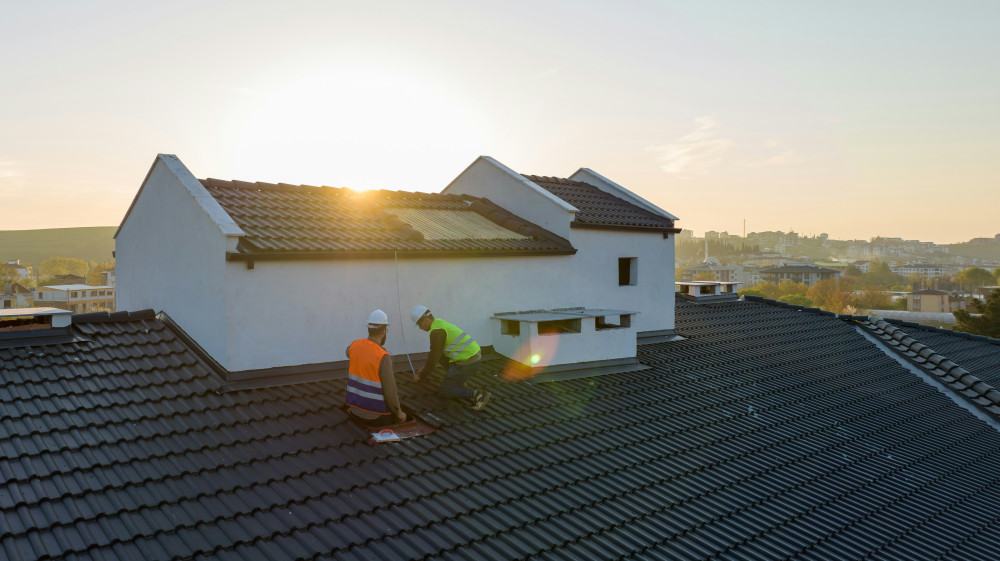
The evolution of solar roofing – from niche solution to mainstream roofing technology

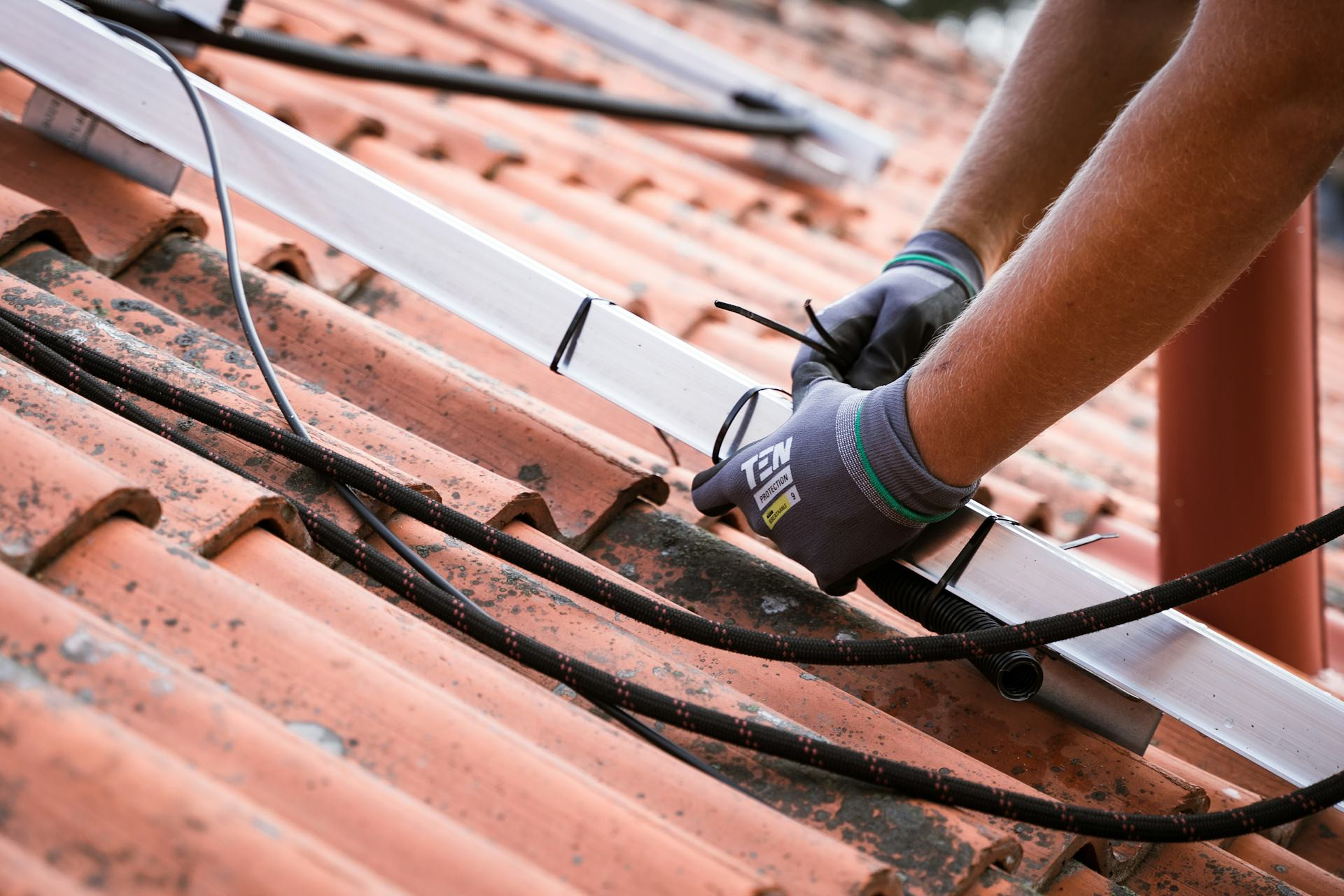
The evolution of solar roofing – from niche solution to mainstream roofing technology
Just a decade ago, solar roofing was seen as an expensive and experimental option for a small group of eco-conscious homeowners. Today, it is emerging as a practical and desirable choice for many Indian households and businesses seeking to combine sustainability, energy independence, and modern design. The transformation has been driven by rapid technological progress, falling costs, and India’s growing commitment to renewable energy. But how did solar roofing evolve from a niche innovation to a mainstream building technology?
Early years – innovation with limitations
The first solar roofs appeared in India in the early 2010s, when solar energy itself was still in its infancy. At that time, most installations involved traditional solar panels mounted on top of existing roofs. These systems were effective but often bulky and visually intrusive. Fully integrated solar roofs—where photovoltaic cells are built directly into the roofing material—were rare and costly.
Early adopters faced several challenges: limited efficiency, high installation costs, and a lack of local expertise. For many homeowners, the technology was intriguing but not yet practical. The focus remained on large-scale solar farms rather than residential or commercial rooftops.
Technological progress and cost reduction
The 2010s brought a revolution in solar technology. Global manufacturing capacity expanded, and the cost of solar modules dropped by more than 80% between 2010 and 2020. Indian manufacturers began producing high-efficiency solar tiles and panels tailored to local conditions—heat, dust, and monsoon rains.
At the same time, government initiatives such as the Jawaharlal Nehru National Solar Mission and state-level rooftop solar programs encouraged adoption. The introduction of net metering allowed homeowners to feed excess electricity back into the grid, improving the financial viability of solar roofs. With better materials, improved aesthetics, and easier installation, solar roofing became a realistic option for both new constructions and retrofits.
Design and architecture take center stage
One of the main barriers to rooftop solar adoption has always been appearance. Many homeowners were reluctant to install large, dark panels that disrupted the look of their homes. Modern solar roofing has changed that perception. Today, solar tiles and shingles are available in various colors and finishes, blending seamlessly with traditional clay tiles or metal sheets commonly used in Indian architecture.
Architects and builders are increasingly integrating solar roofs into their designs from the start. In urban developments and smart housing projects, solar roofing is no longer an afterthought—it is part of the building’s identity. This shift reflects a broader trend in India’s construction sector, where sustainability and aesthetics are now seen as complementary rather than competing goals.
From government incentives to market standard
As technology matured, policy frameworks evolved to support widespread adoption. Several Indian states now offer subsidies, low-interest loans, and simplified approval processes for rooftop solar installations. Builders of residential complexes and commercial spaces are also recognizing the long-term value of solar roofs in reducing operational costs and meeting green building standards.
For homeowners, the economics have become increasingly attractive. With rising electricity prices and improved financing options, solar roofing is no longer a luxury—it is an investment that pays off. The combination of lower energy bills, increased property value, and environmental benefits makes it a compelling choice for the modern Indian consumer.
Læs også:



The future: smart roofs and energy networks
The next generation of solar roofs is already on the horizon. Smart roofing systems equipped with sensors and AI-based monitoring can optimize energy production in real time. When paired with home batteries and electric vehicles, these systems can create self-sufficient energy ecosystems. In the near future, neighborhoods may form local energy networks, sharing and storing power collectively.
For India, where energy demand is growing rapidly, such innovations could play a crucial role in achieving the country’s renewable energy targets and reducing dependence on fossil fuels. Solar roofs will not only protect homes from the elements but also power them intelligently.
From niche to norm
The journey of solar roofing—from a futuristic concept to a mainstream technology—illustrates how innovation, policy, and consumer awareness can transform an industry. In India, where sunlight is abundant and the need for sustainable energy is urgent, solar roofs are poised to become a defining feature of modern architecture. They represent more than just a roof—they symbolize a shift toward a cleaner, smarter, and more resilient energy future.
Læs også: