Create a Dynamic Terrace with Varying Levels

Create a Dynamic Terrace with Varying Levels
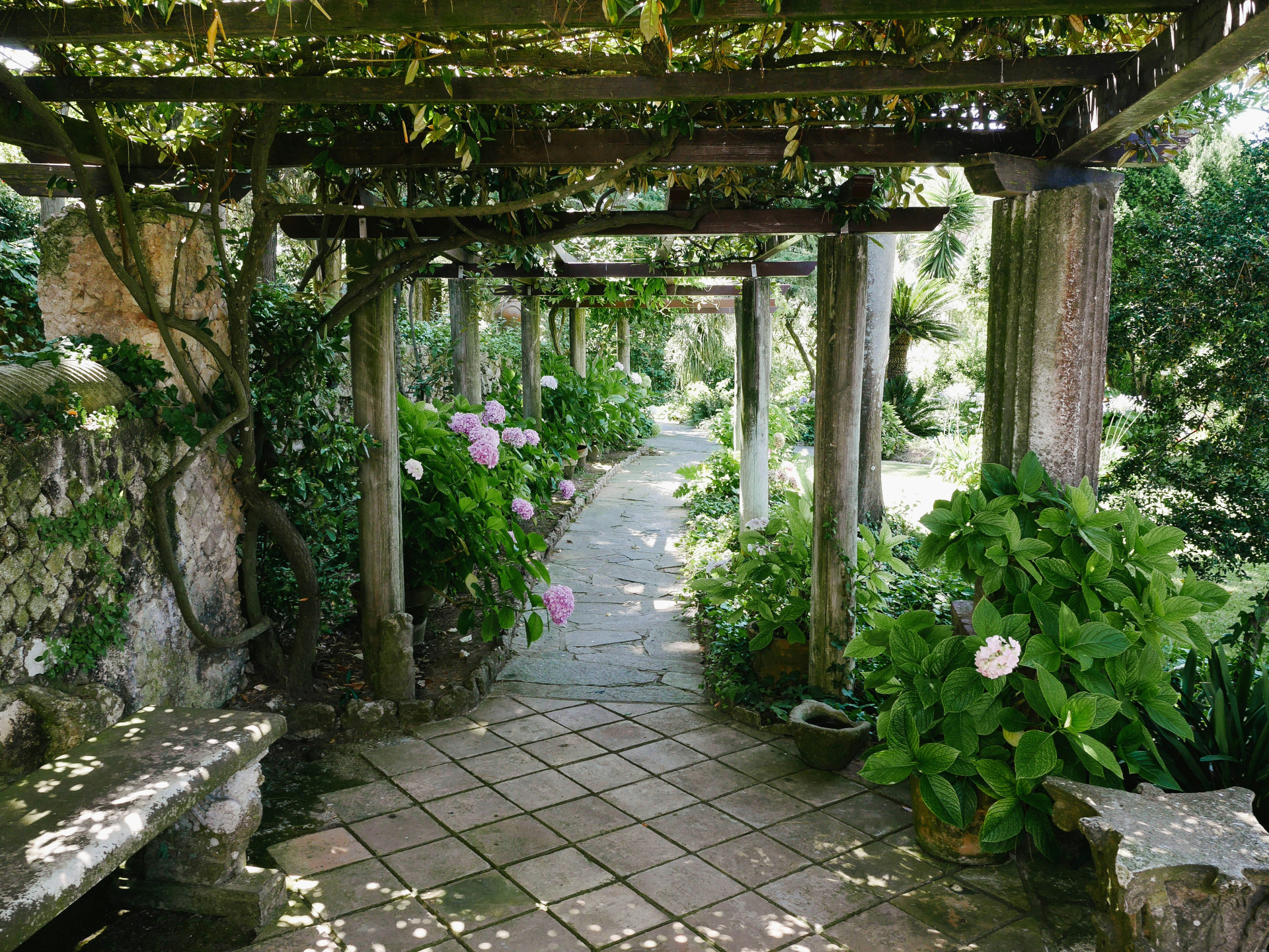
A terrace doesn’t have to be a flat surface to be functional or beautiful. In fact, playing with different levels can bring life, depth, and a sense of spaciousness to your outdoor area. By introducing steps, raised platforms, and subtle height variations, you can give your terrace character and make it more engaging to spend time on—whether you live in a compact city apartment or a spacious home with a garden. Here’s how you can use varying levels to create a dynamic terrace that suits the Indian climate and lifestyle.
Why Work with Different Levels?
Varying levels add architectural interest to your terrace. They break up flat lines and create natural zones that can serve different purposes—such as dining, lounging, or gardening. In many Indian homes, terraces are used for multiple activities, from morning yoga to evening gatherings, and levels can help define these spaces without the need for walls or partitions.
They also offer practical benefits. If your terrace or rooftop has a slight slope for drainage, you can use steps or platforms to create stable seating or planting areas without extensive leveling work. This approach saves materials and gives your terrace a more organic, integrated look.
Create Zones for Different Activities
A terrace with multiple levels can easily be divided into zones, each with its own mood and function. This makes your outdoor space more versatile and inviting.
- Dining Area – Place it on the upper level to enjoy the breeze and perhaps a view of the city or garden. A raised wooden deck or tiled platform provides a perfect setting for family meals or weekend brunches.
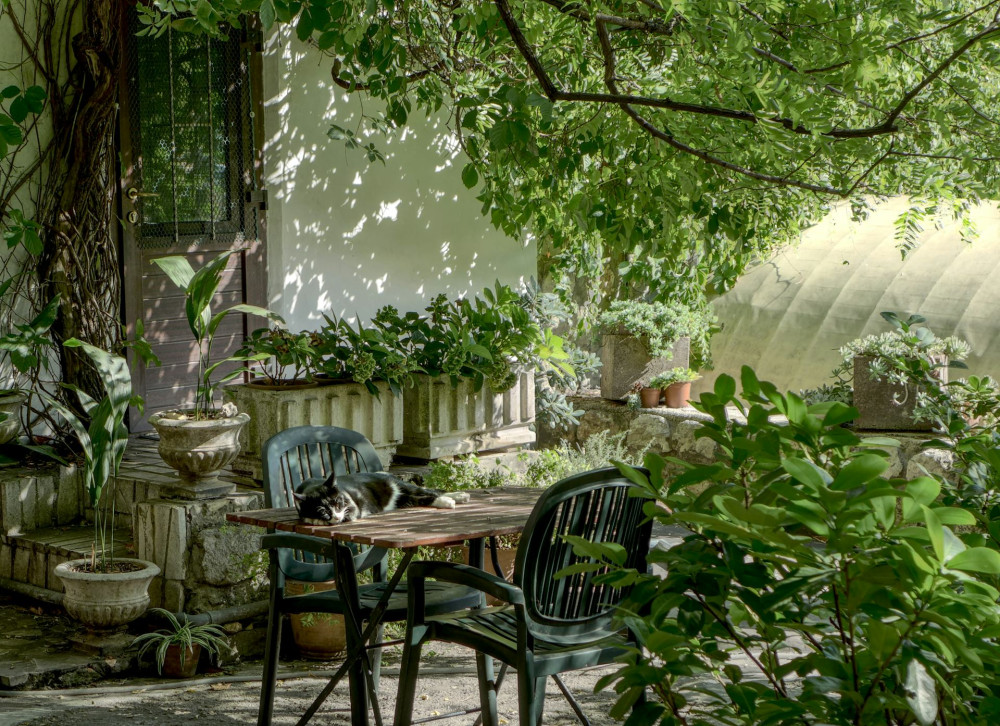
- Lounge Area – Design a lower level with comfortable seating, potted plants, and soft lighting. This can become your go-to spot for evening tea or relaxed conversations.
- Green Zone – Use level changes to incorporate planters or raised garden beds. In India’s warm climate, you can grow herbs, flowering plants, or even small fruit trees to add freshness and shade.
By varying materials and heights, you can emphasize the differences between zones while maintaining a cohesive overall design.
Materials That Connect the Levels
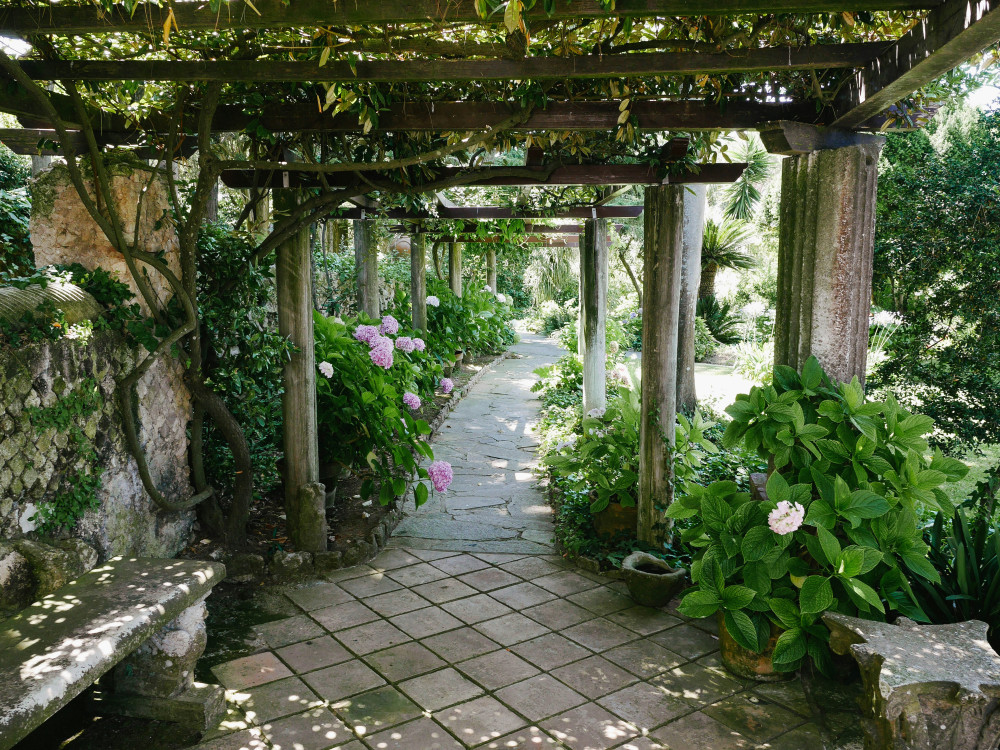
When working with multiple levels, it’s important that the materials complement each other. Wood, stone, and concrete can be combined in many ways, but try to maintain a consistent color palette or texture for a harmonious look.
- Wood adds warmth and a natural feel, ideal for both modern and traditional homes.
- Natural stone such as sandstone, granite, or slate gives a timeless, earthy character and works well in India’s diverse climates.
- Tiles or concrete pavers offer a sleek, contemporary look and are easy to maintain in humid or dusty conditions.
Steps and edges can be made from the same material as the terrace or in a contrasting finish to highlight the level difference. Consider adding LED strip lights or solar lamps along the steps for both safety and ambiance during the evening.
Work with the Natural Terrain
If your home is built on a slope or your rooftop has varying heights, use that to your advantage instead of fighting it. A terrace that follows the natural contours of the site feels more integrated and visually appealing. For example, you can have one section at the same level as your living room and let it flow down to a lower garden or courtyard through a few broad steps or a small deck.
This creates a smooth transition between indoor and outdoor spaces and makes your terrace feel like an extension of your home.
Læs også:


Simple Tricks to Add Depth and Variation
Even on a flat terrace, you can create the illusion of levels with a few clever design ideas:
- Build a low bench or planter box at a raised height.
- Use pots and planters of different sizes to add vertical interest.
- Add a small step or change in flooring texture to mark transitions between areas.
- Experiment with lighting at different heights—floor lamps, wall sconces, and hanging lanterns can all add depth and atmosphere.
These small details make your terrace more dynamic and enjoyable to spend time on.
A Terrace with Personality
Varying levels are not just about aesthetics—they’re about creating an outdoor space that reflects your lifestyle. Perhaps you want a play area for children on one level and a peaceful reading nook on another. Or maybe you’d like a terrace that feels like a natural continuation of your living space, perfect for entertaining guests.
Whatever your vision, thoughtful use of height and transitions can help you design a terrace that’s functional, beautiful, and full of personality—an outdoor retreat that truly feels like home.
Læs også: