Soil Improvement That Brings Life to the Garden

Soil Improvement That Brings Life to the Garden
A thriving garden begins beneath the surface. The quality of your soil determines how well your plants grow, how resilient they are to drought, pests, and disease, and how much life your garden can sustain. Soil improvement is not just about adding fertilizer—it’s about creating a living ecosystem where microorganisms, earthworms, and plants work together. Here’s a guide to help Indian gardeners bring new life to their soil, from composting and green manures to structure and moisture management.
Know Your Soil
Before improving your soil, it’s important to understand what kind you have. In India, soils vary widely—from the red laterite soils of the south to the alluvial soils of the Indo-Gangetic plains and the black cotton soils of central India. Broadly, soils can be grouped into three main types:
- Clay soil – rich in nutrients but heavy and poorly drained.
- Sandy soil – light and well-drained but low in nutrients and quick to dry out.
- Loamy soil – the ideal balance between clay and sand, with good structure and moisture retention.
You can test your soil by taking a handful of moist soil and squeezing it. If it forms a tight ball, it’s clay; if it crumbles easily, it’s sandy; if it holds together but breaks apart gently, it’s loamy. Once you know your soil type, you can tailor your improvement methods for the best results.
Læs også:


Organic Matter – The Elixir of Life
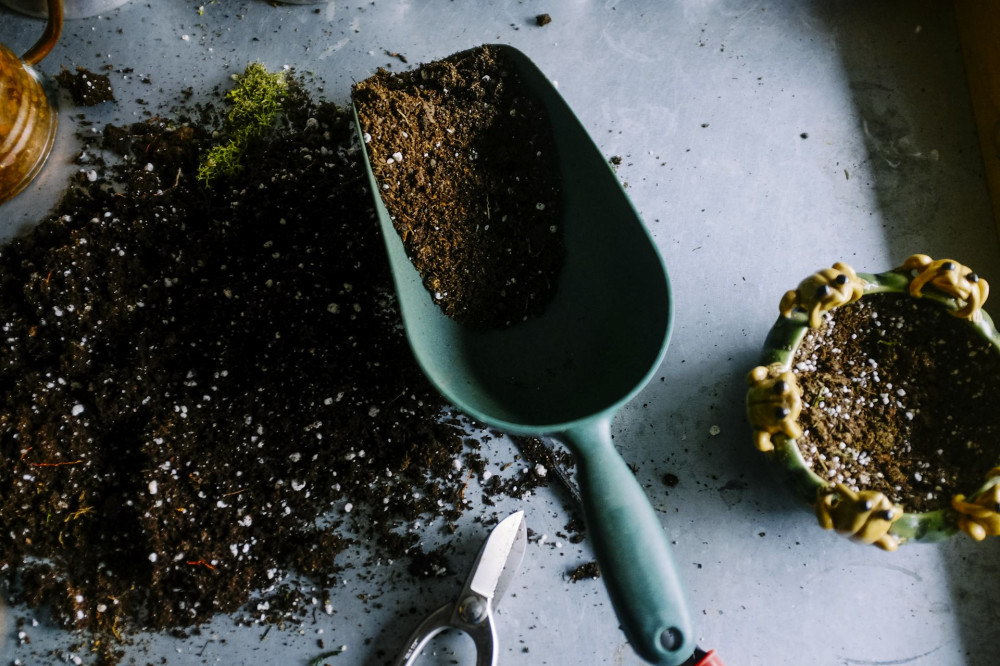
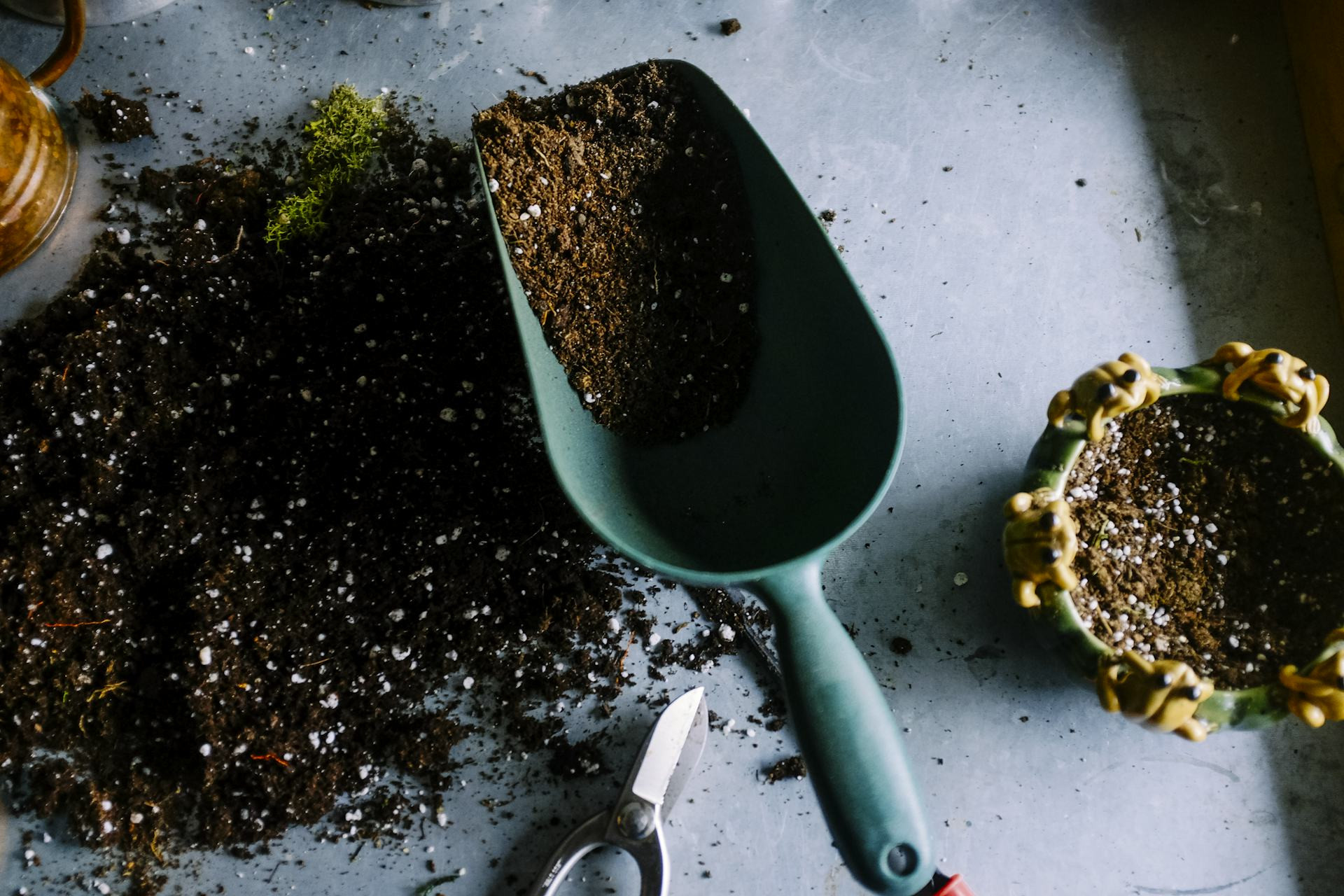
The most important step toward healthy soil is adding organic matter. This can include compost, well-rotted cow dung, leaf litter, kitchen waste, or chopped plant residues. Organic matter improves soil structure, increases its ability to hold water and nutrients, and feeds the microorganisms that make soil alive.
- Compost is the gardener’s gold. It adds nutrients and beneficial microbes that help break down organic material.
- Cow dung or farmyard manure should be well-decomposed before use to avoid burning plants. It’s excellent for vegetable beds and fruit trees.
- Leaf mulch and grass clippings can be used as a surface cover to retain moisture and slowly release nutrients.
Adding organic matter every season gradually builds a dark, crumbly soil that smells rich and earthy—a sure sign of life.
Green Manure and Cover Crops
Green manure crops are grown not for harvest but to enrich the soil. They fix nitrogen, loosen compacted soil, and add organic matter when turned under. In India, popular green manure plants include sunhemp (Crotalaria juncea), dhaincha (Sesbania aculeata), and cowpea.
After harvesting your main crops, you can sow cover crops to protect the soil from erosion and nutrient loss. When they die back, they can be dug in or left as mulch. This practice keeps the soil fertile and alive year-round.
Structure and Drainage
Good soil should hold water—but not too much. In heavy clay soils, improve drainage by mixing in coarse sand, compost, or cocopeat. Avoid working the soil when it’s wet, as this can destroy its structure and create hard clods.
In sandy soils, the challenge is the opposite: retaining moisture. Compost, vermicompost, and organic mulches help hold water and nutrients. You can also use drip irrigation or clay pot (matka) watering systems to reduce evaporation and water waste.
Earthworms are nature’s best soil engineers. Their tunnels aerate the soil and help distribute nutrients. If you find many earthworms in your garden, it’s a sign that your soil is healthy.
pH and Soil Balance
Most garden plants prefer a slightly acidic to neutral soil (pH 6–7). However, some plants—like hibiscus, jasmine, and azalea—thrive in slightly acidic conditions. You can test your soil’s pH with a simple kit from a nursery.
If your soil is too acidic, adding a small amount of agricultural lime can help. If it’s too alkaline, as is common in parts of western and northern India, adding organic matter, compost, or gypsum can help balance it. Always make changes gradually and test again after a few months.
Mulching – Nature’s Protective Blanket
Keeping the soil covered is one of the best ways to maintain its health. A layer of organic mulch—such as dry leaves, straw, sugarcane bagasse, or compost—protects against heat, evaporation, and weeds. It also breaks down slowly, enriching the soil.
In vegetable gardens, use grass clippings or chopped straw between rows. In ornamental gardens, coconut husk chips or bark mulch work well. Mulching not only saves water but also reduces the need for frequent weeding and fertilizing.
Patience and Consistency
Improving soil is not a one-time task but a continuous process. It takes time to build living, fertile soil, but the rewards are lasting. Plants become healthier, pests are fewer, and the garden requires less watering and chemical input.
By working with nature instead of against it, you create a garden that hums with life—a garden where the soil is not just a base for plants, but the very foundation of growth and abundance.
Læs også: