Kitchen for All Generations – How to Design a Functional and Sustainable Space

Kitchen for All Generations – How to Design a Functional and Sustainable Space
A kitchen is more than a place to cook. It is the heart of the home – a space where families gather, share stories, and pass down traditions from one generation to the next. In India, where food and family are deeply intertwined, a well-designed kitchen should be practical, inclusive, and environmentally responsible. Here’s how you can create a kitchen that works for everyone – from children to grandparents – while keeping sustainability in mind.
Plan for Zones and Flexibility
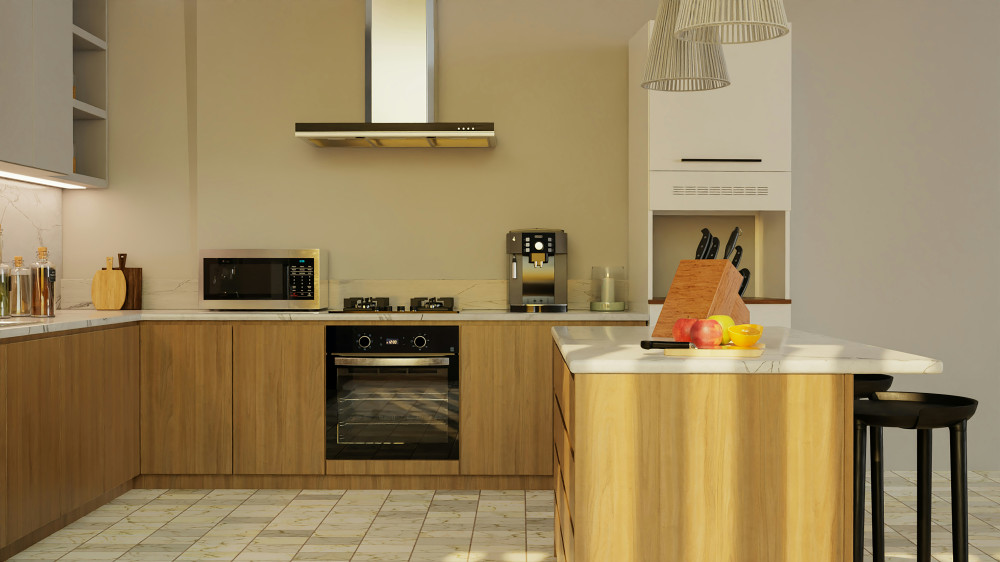
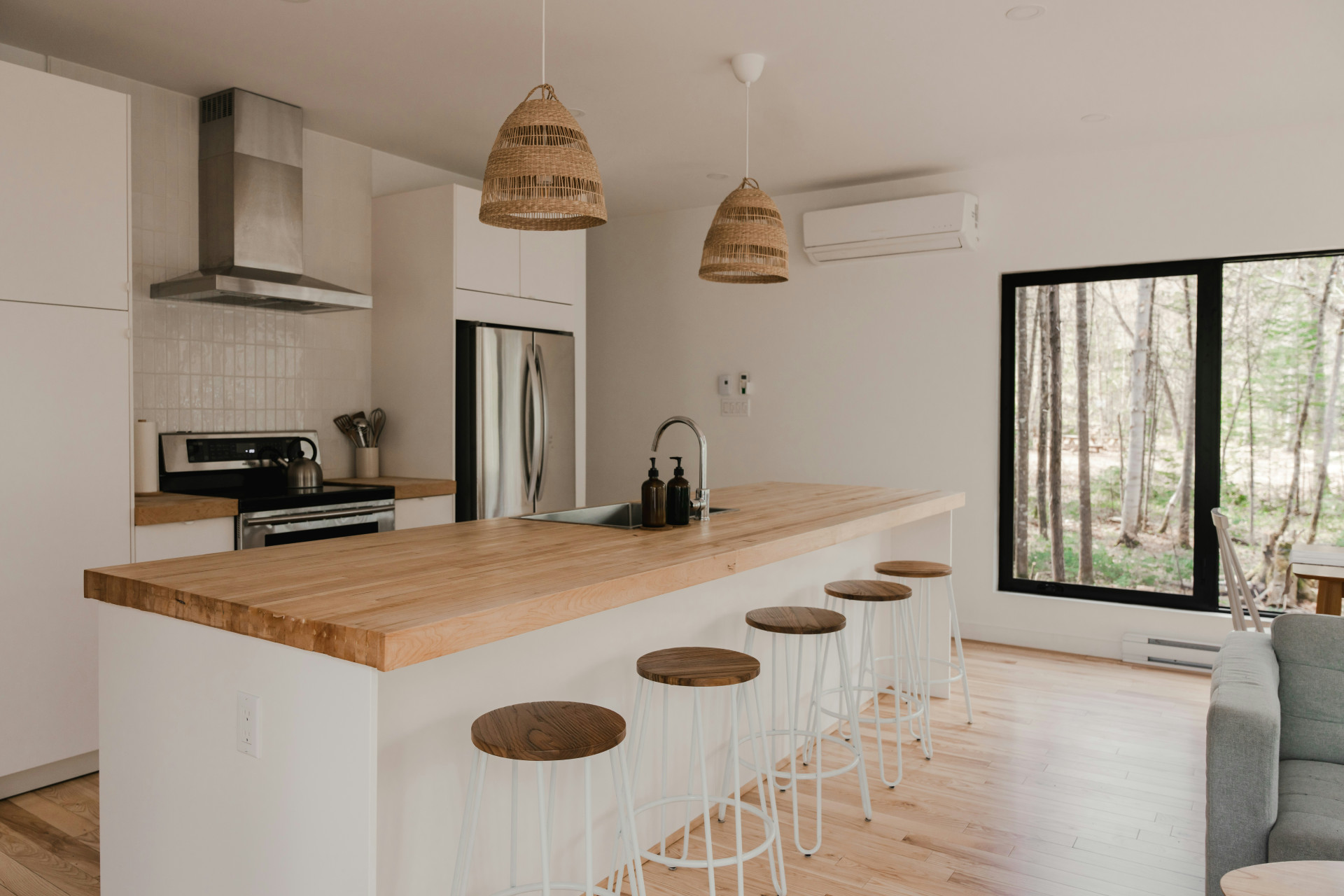
A multi-generational kitchen needs thoughtful planning. Instead of one central workspace, divide the kitchen into zones: one for cooking, one for preparation, one for cleaning, and one for social interaction. This allows several people to use the kitchen at once without getting in each other’s way – perfect for large Indian families where cooking is often a shared activity.
Flexibility is key. Consider movable counters, pull-out work surfaces, or adjustable-height tables. A lower counter can help children participate safely, while a higher one suits adults. Modular kitchen designs, which are popular in Indian homes, make it easier to adapt the layout as family needs change.
Make the Kitchen Safe and Accessible
Safety and accessibility are essential when people of different ages use the same space. Choose slip-resistant flooring, ensure good lighting, and install cabinets that are easy to reach. Instead of high overhead cupboards, opt for deep drawers with full extension so that everything is visible and within reach.
For elderly family members, lever-style handles, single-lever faucets, and easy-to-grip knobs can make daily tasks simpler. For children, safety locks on drawers and cabinets that store sharp tools or cleaning products are a must. Rounded countertop edges and soft-close drawers can also help prevent accidents.
Sustainable Choices for a Greener Future
Sustainability in the kitchen goes beyond energy-efficient appliances. It’s about choosing materials and designs that last. Opt for countertops made from bamboo, recycled stone, or locally sourced granite – durable options that also reduce environmental impact. Cabinets made from certified wood or eco-friendly laminates are both stylish and responsible choices.
Energy-efficient appliances with high star ratings, LED lighting, and water-saving taps can significantly reduce your household’s carbon footprint. In India’s warm climate, good ventilation and natural light can also help lower energy use. Don’t forget to include a waste segregation system for recycling and composting – a small step that makes a big difference.
Create Space for Togetherness
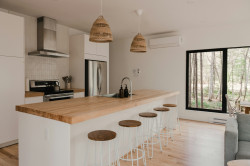
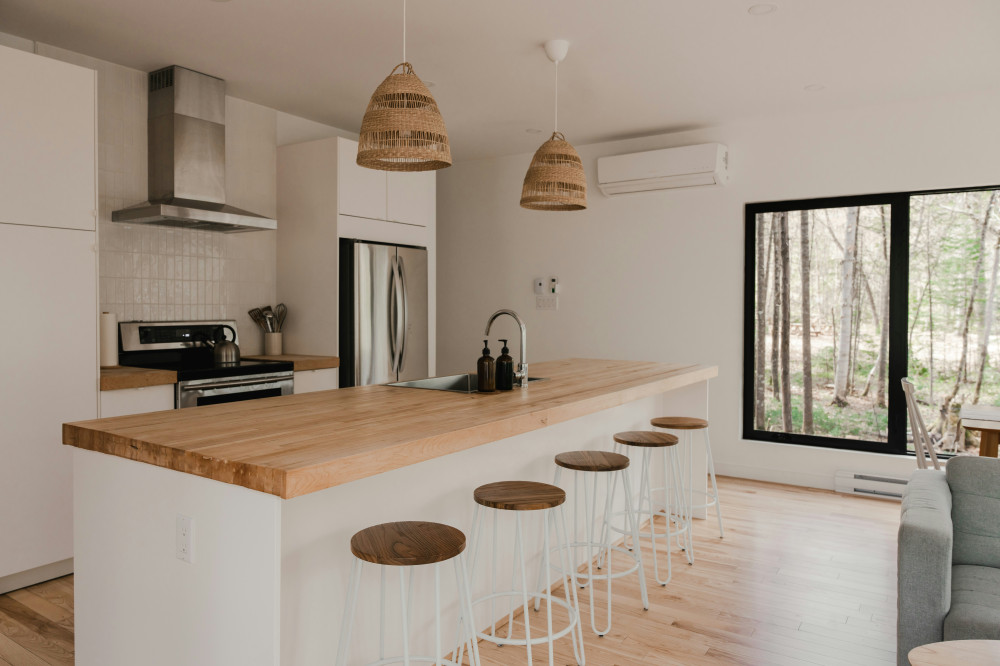
A kitchen for all generations should encourage connection. Include a small dining nook or breakfast counter where family members can sit, chat, or help with meal prep. It can be a place where children do homework while grandparents share recipes or where friends gather for chai.
In open-plan homes, think about acoustics – soft furnishings, wooden panels, or cork surfaces can help absorb sound and make the space more comfortable. A kitchen that feels calm and welcoming naturally draws people together.
Læs også:
Light, Colour, and Atmosphere
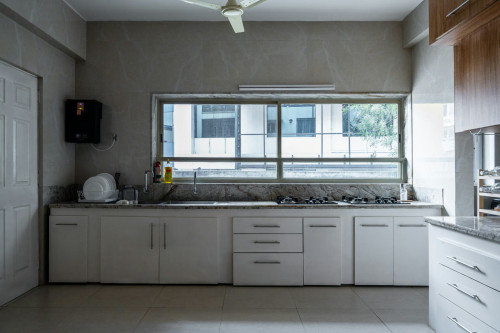
Lighting and colour influence both mood and functionality. Combine bright task lighting for cooking areas with warm ambient lighting for dining or relaxation. Natural light is especially valuable – large windows or skylights can make the kitchen feel airy and reduce the need for artificial lighting during the day.
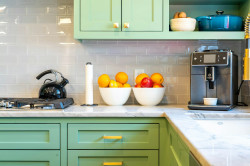
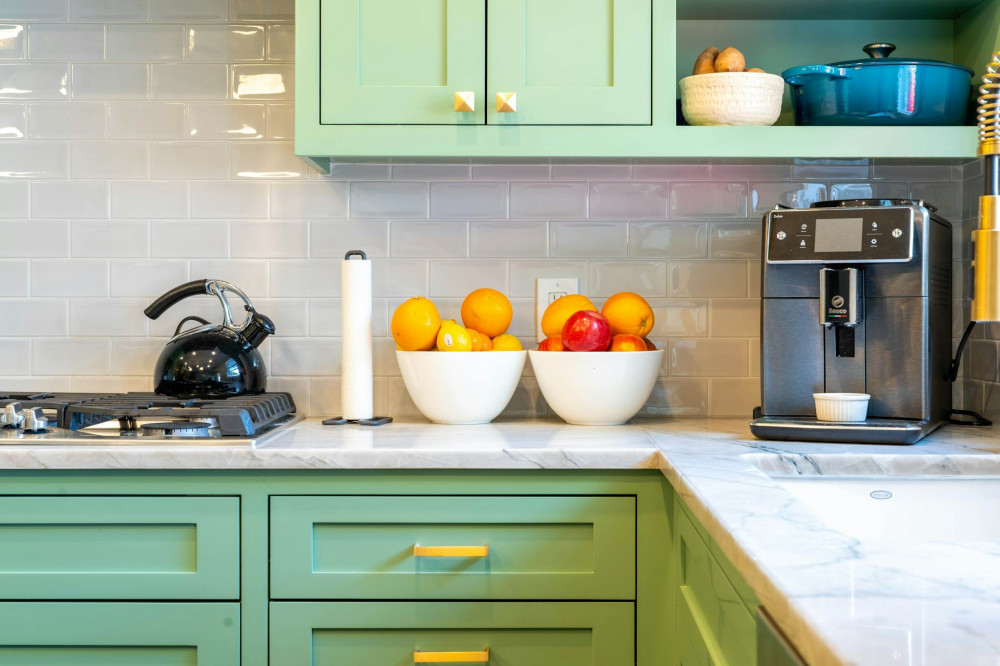
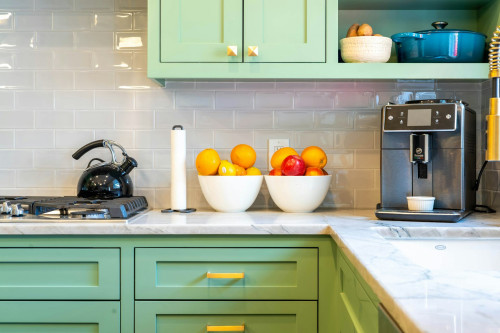
When it comes to colour, neutral tones create a timeless look, while vibrant accents – such as earthy terracotta, leafy green, or sunny yellow – can reflect Indian warmth and energy. Let children or elders have a say in choosing a small detail, like a wall colour or tile pattern, to make the space feel personal and shared.
A Kitchen That Grows with the Family
A functional and sustainable kitchen should evolve with your family’s changing needs. As children grow or older relatives move in, you can adjust storage heights, add seating, or upgrade appliances. By planning for flexibility from the start, your kitchen can remain practical and welcoming for decades.
Ultimately, a kitchen for all generations is about more than design – it’s about creating a space where everyone feels included. A place where meals, memories, and traditions come together in a sustainable setting that honours both family and the planet.
Læs også: