Lighting Design for Wellness Spaces – Balancing Function and Aesthetics

Lighting Design for Wellness Spaces – Balancing Function and Aesthetics
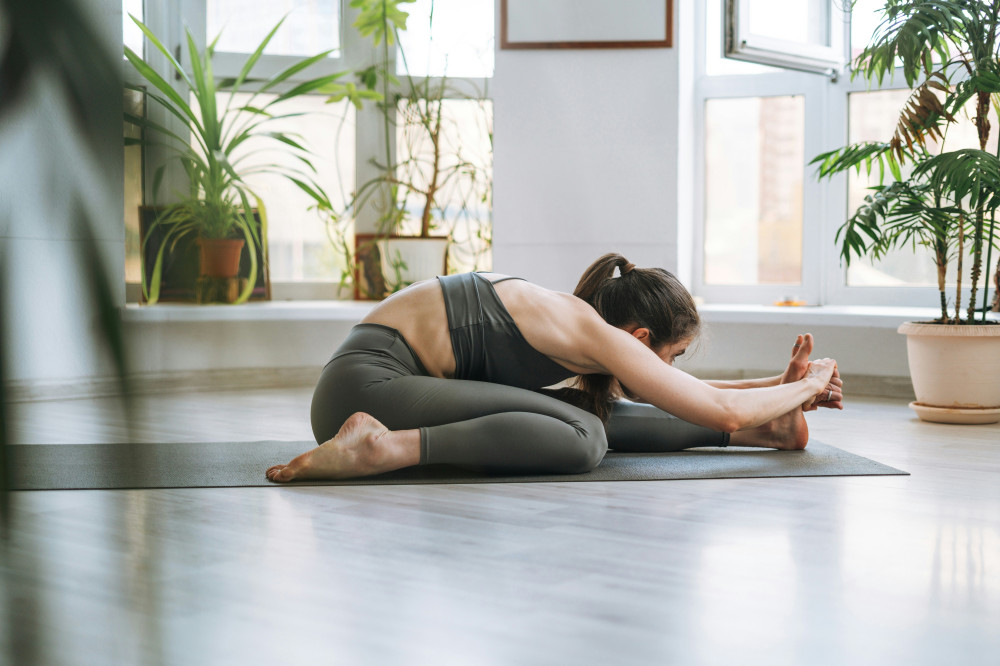
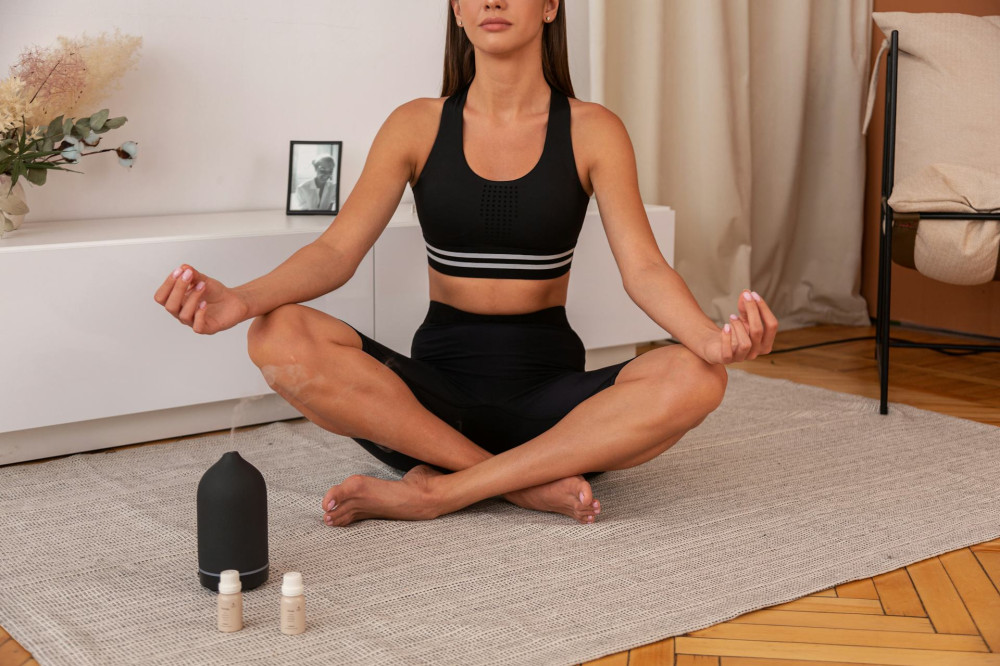
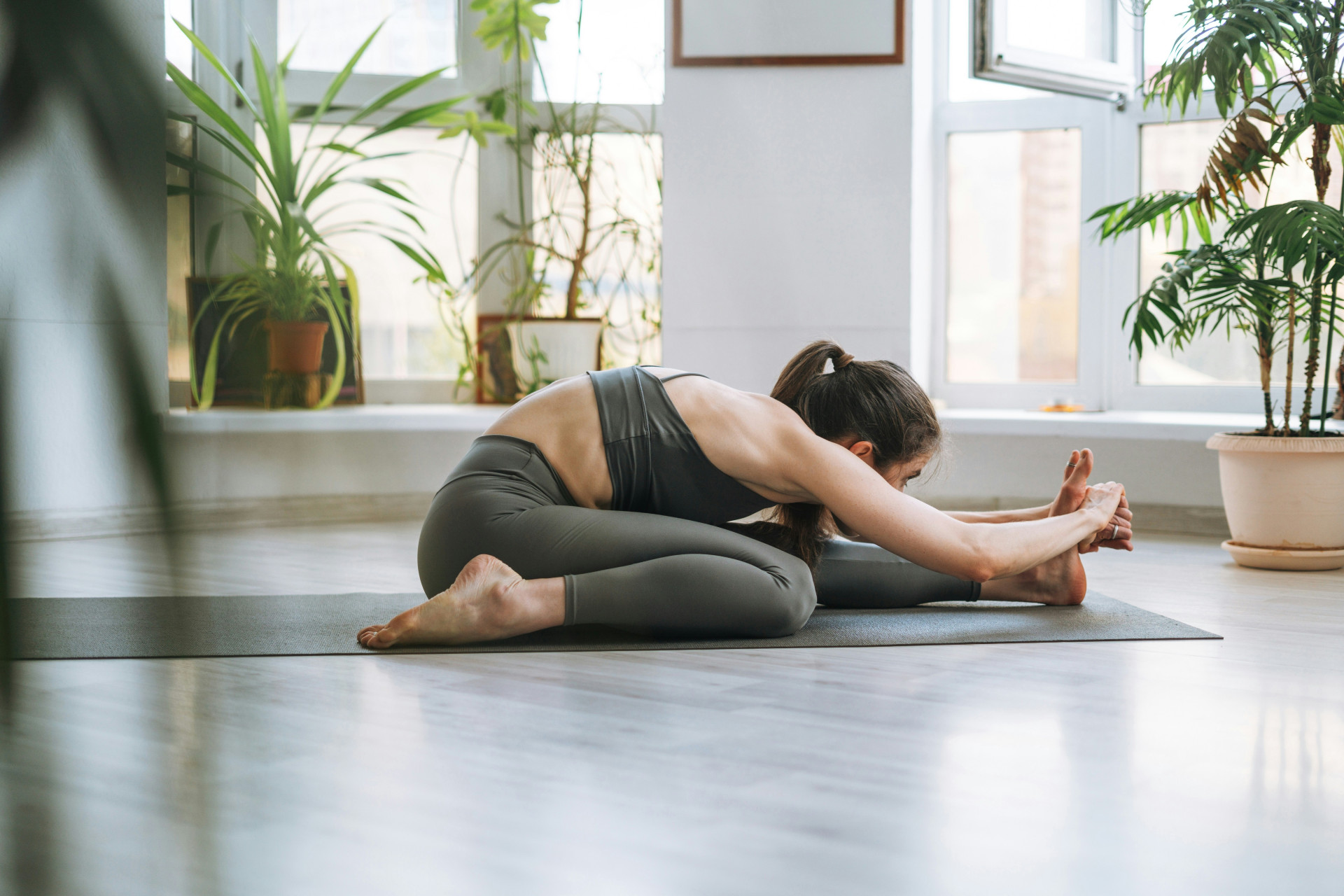
A wellness space is a sanctuary for relaxation, rejuvenation, and mindfulness – but it must also be practical. Lighting plays a crucial role in shaping how such a space feels and how it supports both body and mind. The right lighting design can transform an ordinary bathroom, spa, or yoga studio into a soothing retreat where aesthetics and functionality coexist in harmony. Here’s how to create a balanced lighting concept that enhances comfort, mood, and usability in your wellness space.
Light as a Mood Creator
Light influences our emotions, energy levels, and sense of calm. In a wellness environment, lighting should encourage relaxation rather than overstimulation. Soft transitions, warm tones, and adjustable intensity are key to achieving this.
Start with warm, indirect lighting that avoids glare. LED strips behind panels, under benches, or along walls can create a gentle glow that envelops the space. Combine these with dimmable fixtures so you can adjust brightness according to the time of day or activity – from bright, functional light in the morning to a soft, golden hue in the evening.
Functional Lighting – When Clarity Matters
While a wellness space should feel tranquil, it must also be practical. You still need sufficient light for tasks such as filling a bathtub, applying skincare, or cleaning.
The best approach is zonal lighting. Divide the space into functional areas – for example, shower zone, relaxation zone, and vanity area – and tailor the lighting to each. Around mirrors and sinks, use neutral white light that renders colours accurately. In wet areas, choose fixtures with a high IP rating to ensure safety and durability.
By layering different light sources – ceiling spots, wall sconces, and indirect lighting – you can create a flexible system that supports both everyday use and moments of calm.
Colour Temperature and Materials
Colour temperature has a strong impact on atmosphere. Warm light (2700–3000 kelvin) promotes comfort and relaxation, while cooler light (4000 kelvin and above) feels more energising. In wellness spaces, warm light usually dominates, but subtle variations can add depth and visual interest.
Materials also interact with light. Natural finishes like wood, stone, and matte surfaces diffuse light softly, while glossy tiles and glass reflect it more sharply. Consider how light falls on walls and floors, and use it to highlight textures and architectural details.
Læs også:

Natural Light – The Ultimate Luxury
If your wellness space has windows, make the most of natural daylight. It supports the body’s circadian rhythm and creates a sense of connection with the outdoors. Frosted glass, bamboo blinds, or sheer curtains can maintain privacy without blocking sunlight. Combine daylight with artificial lighting that can take over when evening sets in.
For windowless rooms, simulate daylight with light panels or LED ceilings that mimic the brightness and tone of natural light. This can make even basement spas or enclosed bathrooms feel open and refreshing.
Light and Wellbeing – Beyond Aesthetics
Lighting affects not only how we see but also how we feel. Studies show that soft, warm light can reduce stress and promote relaxation. Investing in a system that adapts to your daily rhythm – such as smart lighting that changes colour temperature throughout the day – can enhance wellbeing.
You can also explore chromotherapy, or colour therapy, where coloured light is used to evoke specific moods: blue for calm, green for balance, and red for vitality. This sensory layer can make your wellness space more personal and immersive.
Creating Harmony with Lighting Control
A successful lighting design is about more than just fixtures – it’s about how they work together. With centralised lighting control, you can program different scenes such as “morning routine,” “evening spa,” or “cleaning mode,” and switch between them effortlessly. This makes it easy to adjust the atmosphere without manually changing each light.
Energy efficiency is another benefit. Motion sensors and timers ensure lights are only on when needed, helping you save power and reduce your environmental footprint – an important consideration in India’s growing focus on sustainable living.
A Cohesive Experience
When function and aesthetics align, a wellness space becomes more than a room – it becomes a personal retreat. Light is the element that ties everything together: it enhances materials, sets the mood, and supports the body’s need for rest and balance.
By approaching lighting design holistically – from planning to the smallest detail – you can create a space that is not only beautiful and practical but also deeply restorative.
Læs også: