Small rituals to help you transition from work to leisure

Small rituals to help you transition from work to leisure
When the workday ends, your mind doesn’t always switch off as easily as your laptop. Thoughts about deadlines, meetings, and unfinished tasks can follow you into the evening—especially if you work from home or have a demanding job. Creating small, intentional rituals can help you mark the shift from work to leisure. These simple acts signal to your brain and body that it’s time to slow down and recharge. Here are some ideas to help you build your own transition rituals.
Consciously close your workday
A clear end to the workday helps you mentally “clock out.” Try finishing your day by tidying your desk, shutting down your computer, and writing a short to-do list for tomorrow. This small act helps you park work-related thoughts and gives you permission to relax.
If you work from home, set a fixed time to “leave work,” even if you don’t step outside. Turn off the lights in your workspace, close the door, and change into more comfortable clothes. These physical cues tell your mind that the workday is over.
Create a transition activity
A short activity between work and leisure can help your brain shift gears. It doesn’t have to be long or complicated—just something that separates one part of the day from the next.
- Take a short walk around your neighbourhood or terrace. Let your thoughts wander and notice the change in pace.
- Enjoy a cup of chai or coffee without checking your phone. The familiar aroma and warmth can be grounding.
- Listen to music or a podcast that lifts your mood or helps you unwind.
- Take a shower to wash away the day’s fatigue—both literally and mentally.
Even five minutes of transition time can make a big difference if you do it consistently.
Use your body to release tension
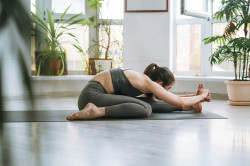
After hours of sitting, your body may crave movement. Physical activity helps release built-up tension and signals to your mind that the workday is done. You don’t need an intense workout—gentle movement is enough.
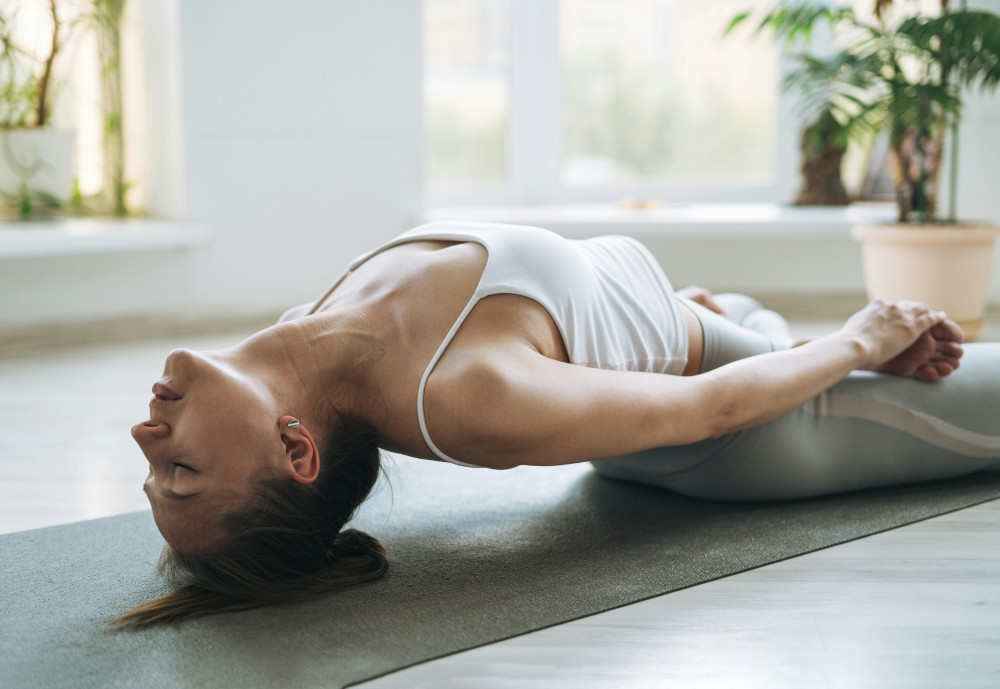
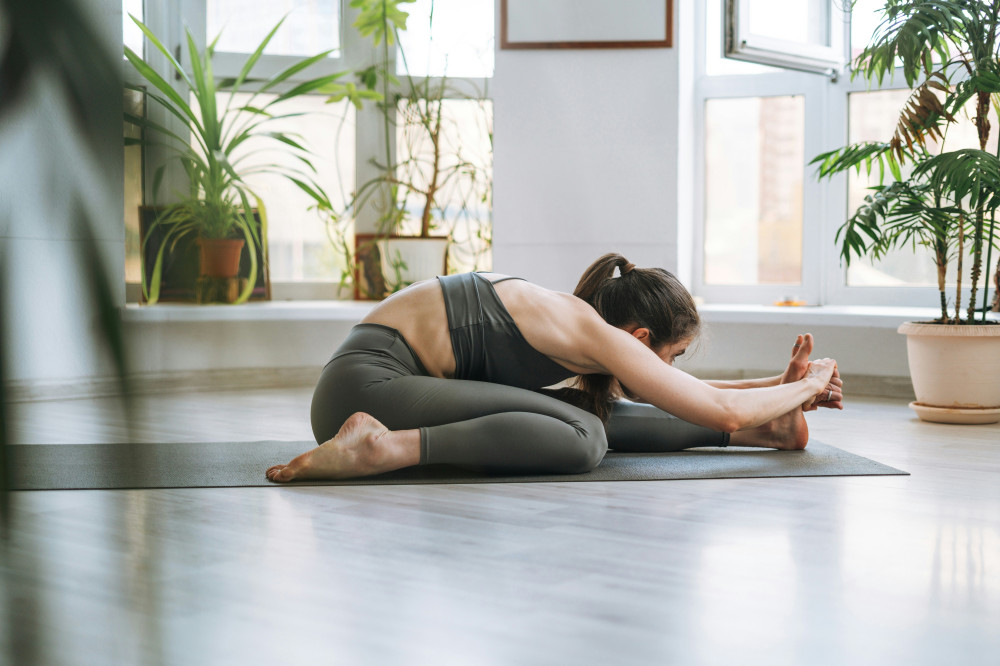
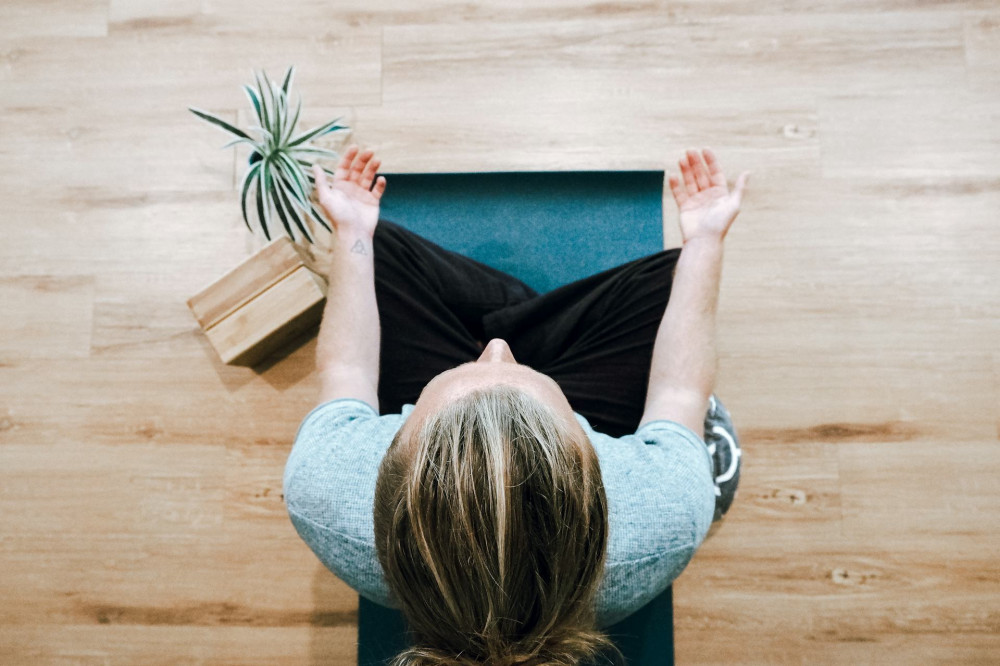
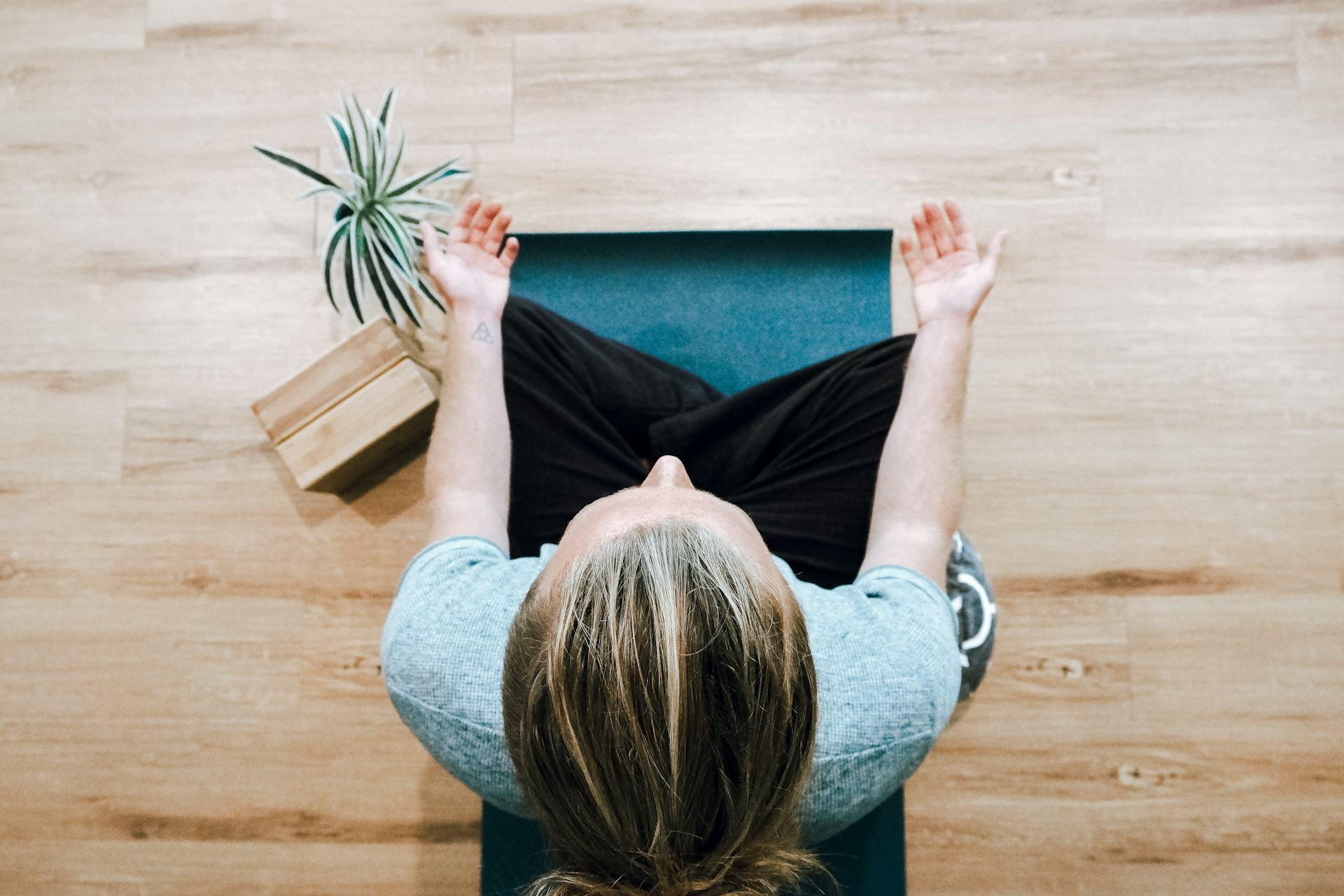
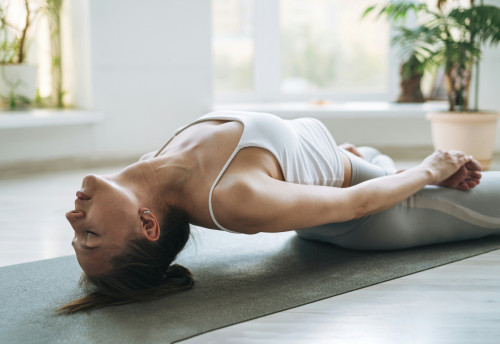
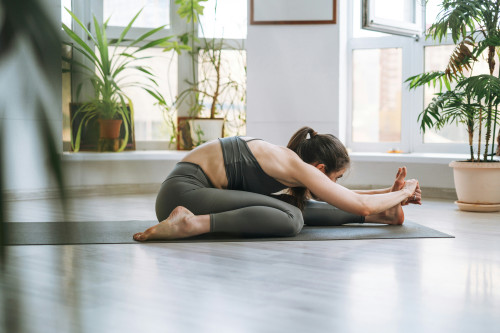
Try a few minutes of yoga, a short evening walk, or some light stretching. Many people find that moving their body helps them let go of work-related stress and makes it easier to relax afterward.
Change your environment—physically and mentally
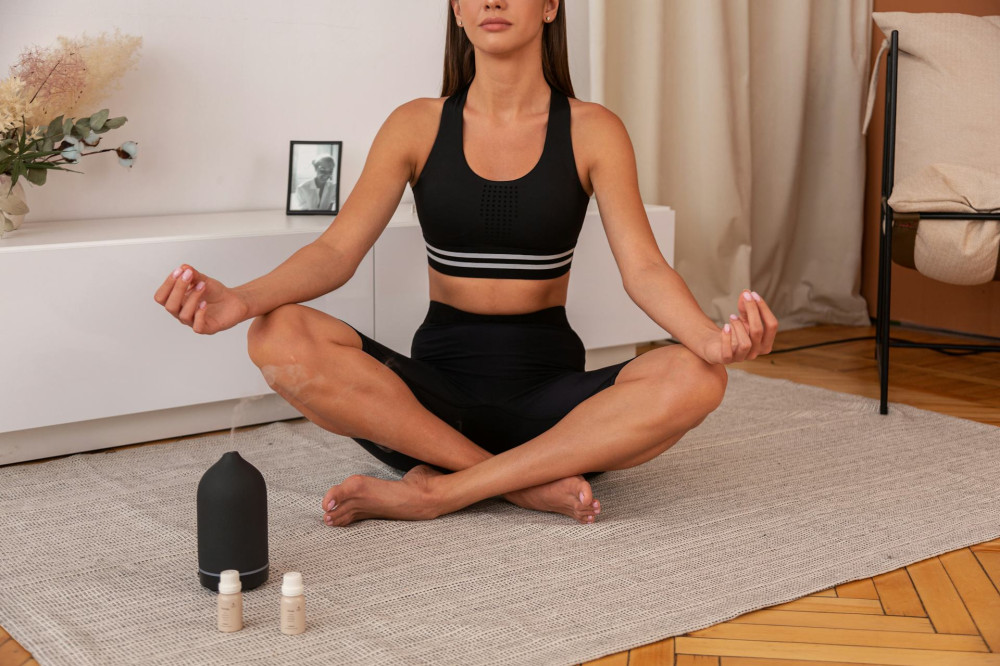
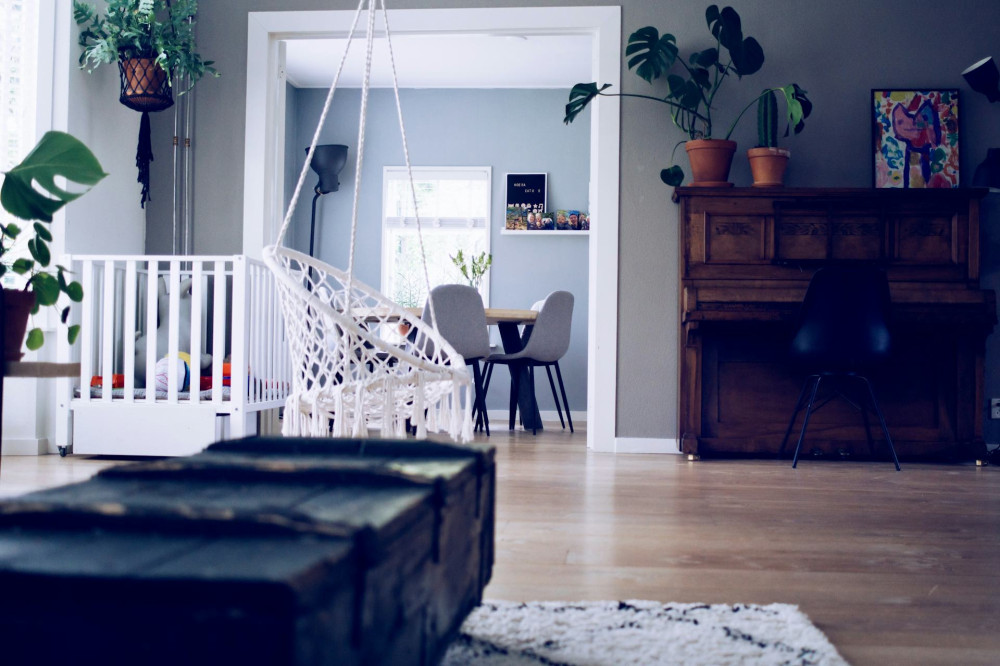
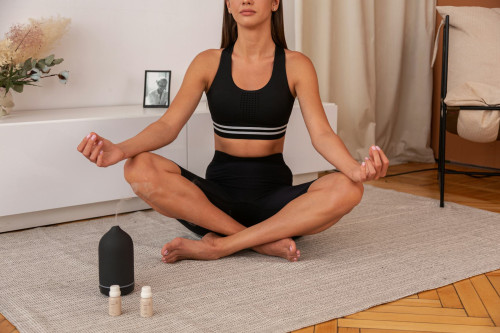
If you work from home, the boundaries between work and leisure can blur. Small changes in your surroundings can help you feel that the day has shifted. Dim the lights, light an incense stick, or open a window to let in fresh air. These sensory changes create a new atmosphere and help you feel more present in your personal time.
You can also use small symbols to mark the transition—perhaps lighting a diya, playing soft music, or moving a plant from your desk to the living room. These gestures may seem simple, but they help your senses register that it’s time to unwind.
Give yourself a mental pause
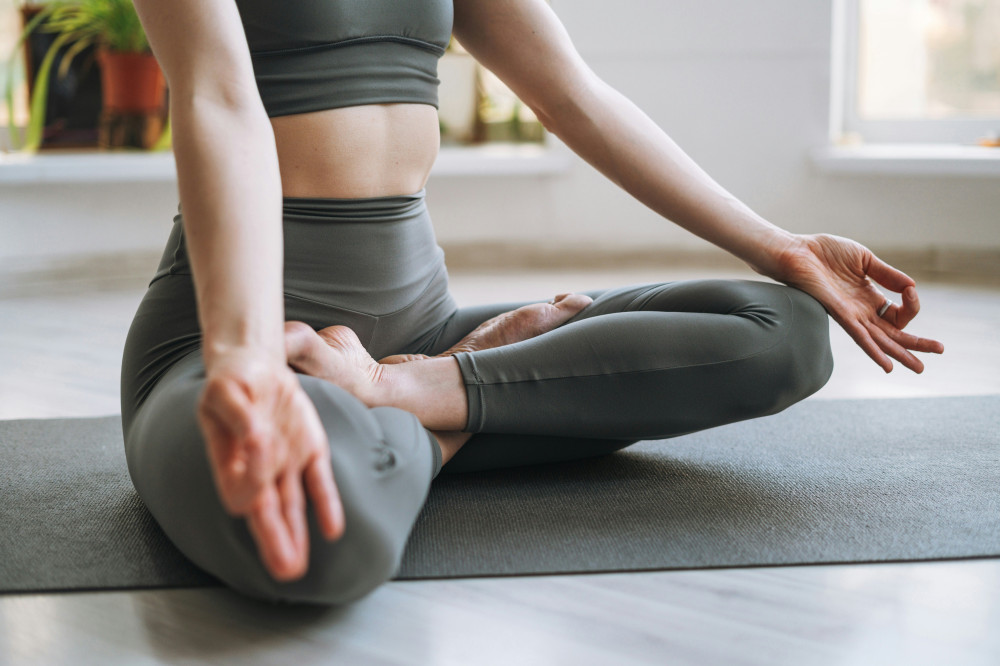
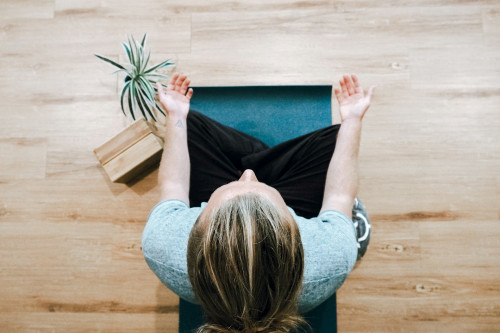
One of the most effective rituals is to take a few quiet moments for yourself. Sit still, take a few deep breaths, or write down something you’re grateful for that day. This helps you slow down and shift your focus away from work.
If your mind keeps racing, try a short guided meditation or focus on your breathing for a few minutes. The goal isn’t to stop thinking, but to give your thoughts a gentler direction.
Læs også:
Build an evening routine that soothes you
Once you’ve entered your leisure time, reinforce the feeling of calm with small evening rituals. Cook dinner at a relaxed pace, take a warm shower, read a book, or spend time with family. Repeating the same actions each evening helps your body recognise that it’s time to rest.
Try to keep work from creeping back in through emails or messages. Set your phone to “Do Not Disturb” after a certain hour so you can be fully present in your downtime.
Small steps, big impact
Creating a clear boundary between work and leisure isn’t about making big changes—it’s about awareness. When you repeat small rituals day after day, your body and mind learn that it’s time to let go. These moments of transition help you recharge, enjoy your evenings, and return to work with renewed energy.
Læs også: