Organize your tools so you can always find them

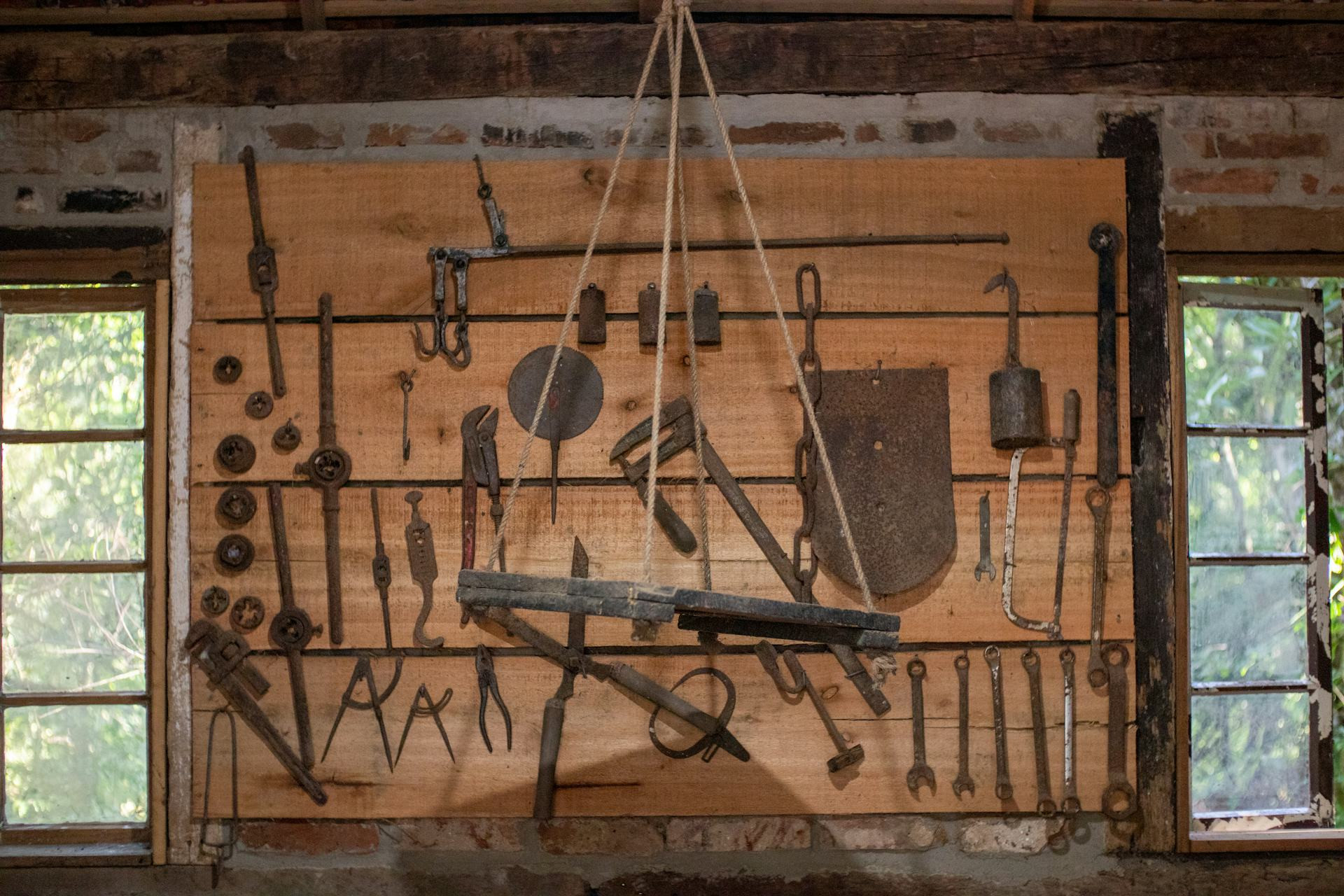
Organize your tools so you can always find them
A well-organized workspace makes every project smoother—whether you’re fixing a leaky tap, assembling furniture, or working on your bike. When you know exactly where your tools are, you save time, avoid frustration, and enjoy your work more. Here’s how you can bring order to your tools so you can always find what you need.
Start by decluttering and sorting
Before you begin organizing, take stock of what you actually have. Over time, it’s easy to accumulate tools in different boxes, drawers, and bags—often ending up with duplicates or broken items.
Lay everything out on a table or the floor and sort your tools into categories: hand tools, power tools, measuring tools, fasteners, and accessories. Discard or donate what you don’t use, and check if anything needs repair or replacement. It’s much easier to create a system when you only keep what you truly need.
Give everything a fixed place
Once you’ve sorted your tools, assign each item a permanent spot. This makes it easy to find—and just as easy to put back.
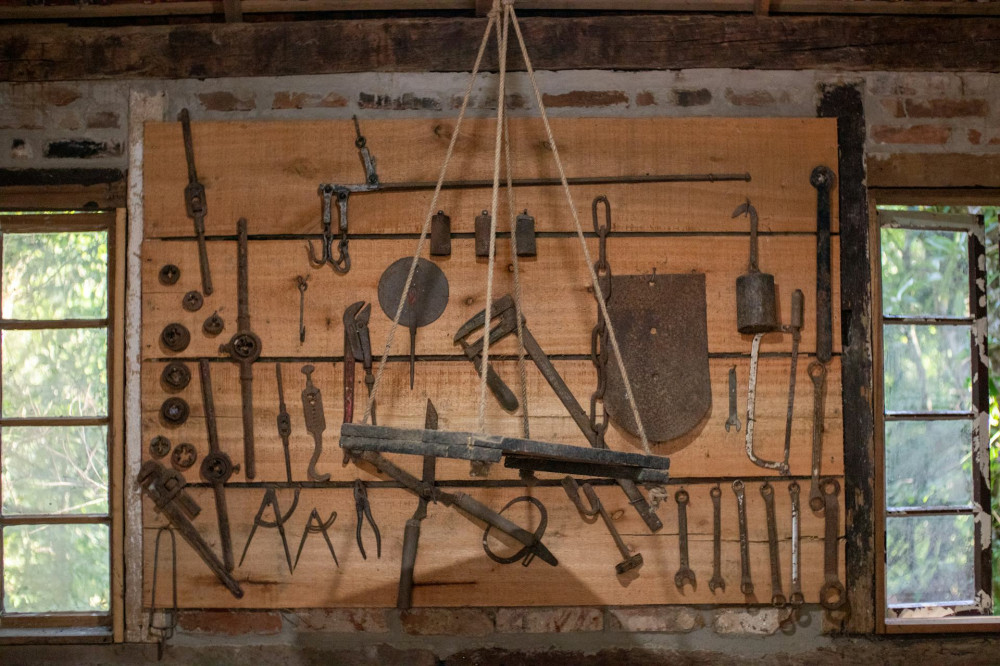
- Tool board: A pegboard with hooks is perfect for hand tools like hammers, screwdrivers, and pliers. You can outline each tool’s shape on the board so you always know where it belongs.
- Drawers and boxes: Use drawer dividers or small containers for screws, nails, and drill bits. Label them clearly so you can quickly find the right size.
- Shelves and racks: Ideal for larger tools like drills, saws, and sanders. Store them in boxes or on open shelves where they’re easy to reach.
- Magnetic strips: Great for metal tools such as screwdrivers, wrenches, and blades—and they save valuable workspace.
The more logical your system, the easier it will be to maintain order over time.
Think in zones and workflow
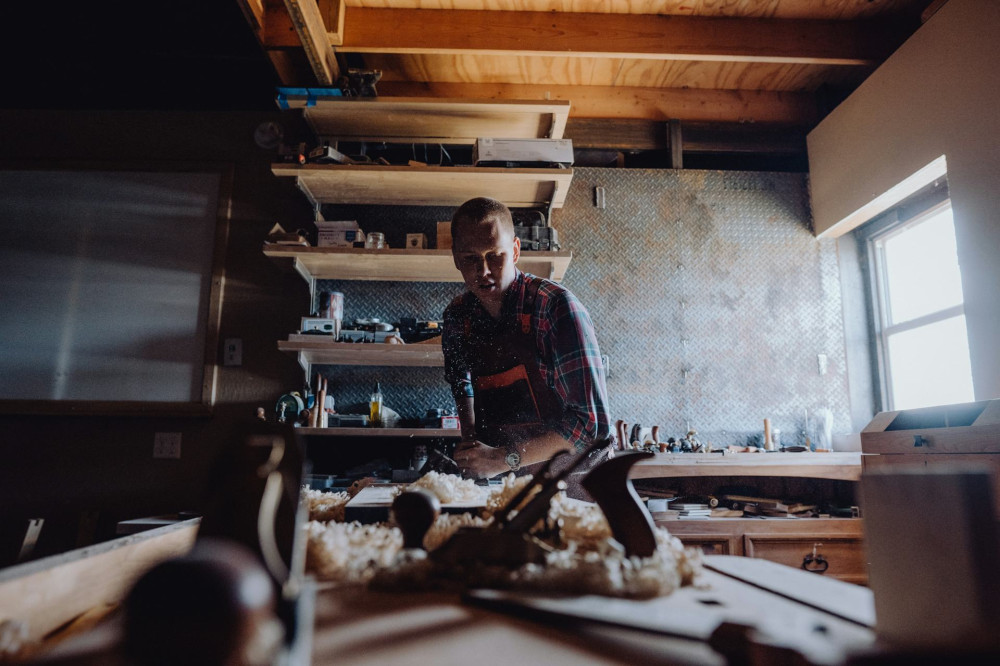
A good workshop layout follows the way you work. Keep frequently used tools within arm’s reach and store less-used items further away. You can divide your space into zones:
- Work zone – your main workbench and the tools you use most often.
- Storage zone – shelves, cabinets, and boxes for materials and spare parts.
- Machine zone – space for power tools, ideally near electrical outlets and with good ventilation.
A well-thought-out flow helps you move efficiently and stay focused on your project instead of searching for tools.
Use labels and color codes
A simple but effective trick is to label everything. Use a label maker, masking tape, or color codes to mark where things belong. For example, use blue for power tools, green for hand tools, and red for measuring tools. This makes it easy to spot if something is missing and helps others in your household find their way around too.
Make cleaning and maintenance a habit
An organized workspace needs a little upkeep. Set aside time once a month to dust surfaces, empty the trash, and return tools to their places. Check if anything needs oiling, sharpening, or replacement. Regular maintenance extends the life of your tools and keeps your space pleasant to work in.
A good habit is to spend five minutes tidying up after each project. It may seem small, but it makes a big difference the next time you start something new.
Læs også:



Create a space you enjoy using
Your workshop doesn’t have to be purely functional—it can also be inviting. Ensure good lighting, a sturdy workbench, and maybe a touch of personality. Hang up posters, photos, or even old tool advertisements to give the space character.
When your workspace feels like a place you enjoy spending time in, it’s easier to keep it organized and stay motivated for your next project.
Order brings peace of mind
Organizing your tools isn’t just about neatness—it’s about clarity and focus. When you know where everything is, you can concentrate on what really matters: creating, repairing, and building. With a good system, you save time, avoid buying duplicates, and get more satisfaction from your work.
So take a weekend to declutter, plan your system, and enjoy the feeling of being able to find everything in seconds. It’s an investment that pays off every time you start a new project.
Læs også: