Practice Makes Perfect: Learn New DIY Techniques at Your Own Pace

Practice Makes Perfect: Learn New DIY Techniques at Your Own Pace
Taking on do-it-yourself (DIY) projects is about more than saving money – it’s about creativity, self-reliance, and the joy of building something with your own hands. Whether you dream of refurbishing old furniture, creating home décor from recycled materials, or learning basic carpentry, the key to success is to go at your own pace. Here’s how you can explore new DIY techniques without stress – and enjoy every step of the learning process.
Start with What Inspires You
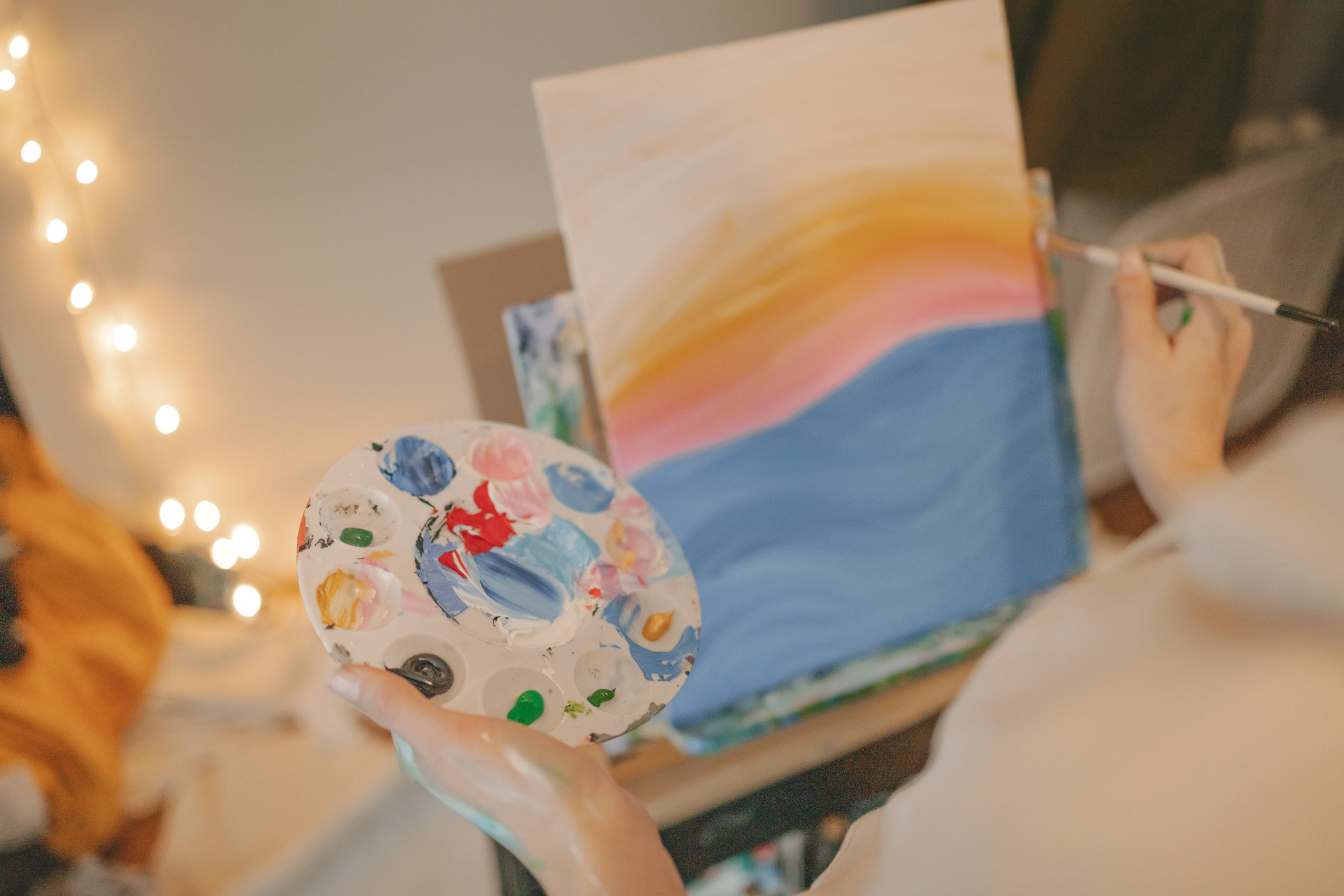
It’s easier to stay motivated when you work on something that excites you. Maybe you’ve always wanted to paint a mural for your living room, make your own clay pots, or build a small bookshelf. Choose a project that feels manageable but still challenges you a little – that’s where real learning happens.
Make a list of ideas and pick one project at a time. It’s tempting to start several things at once, but that can quickly become overwhelming. Focusing on one project helps you understand the process better – from planning to the final result.
Learn in Small Steps
No one becomes an expert overnight. The most important thing is to take small steps and give yourself time to practice. Start with the basics before moving on to more advanced techniques.
- Watch tutorials and read guides – there are countless free resources online, including Indian creators who share local tips and tricks.
- Practice on scrap materials – test your skills before starting the actual project.
- Embrace mistakes – they’re part of the learning process and often lead to creative solutions.
As you notice your progress, your confidence and enthusiasm will grow naturally.
Create a Productive Workspace
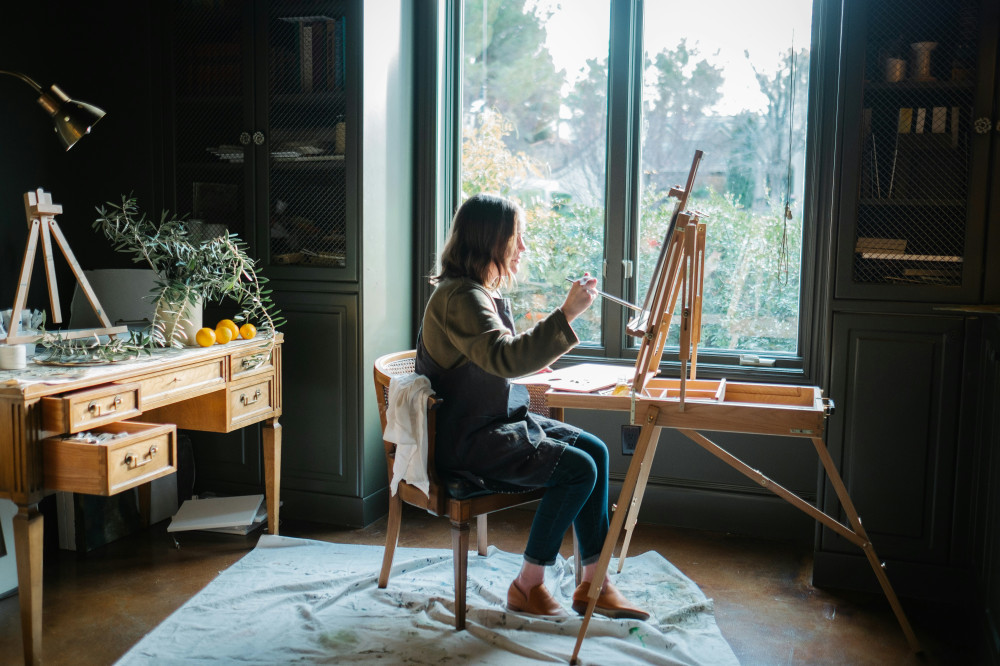
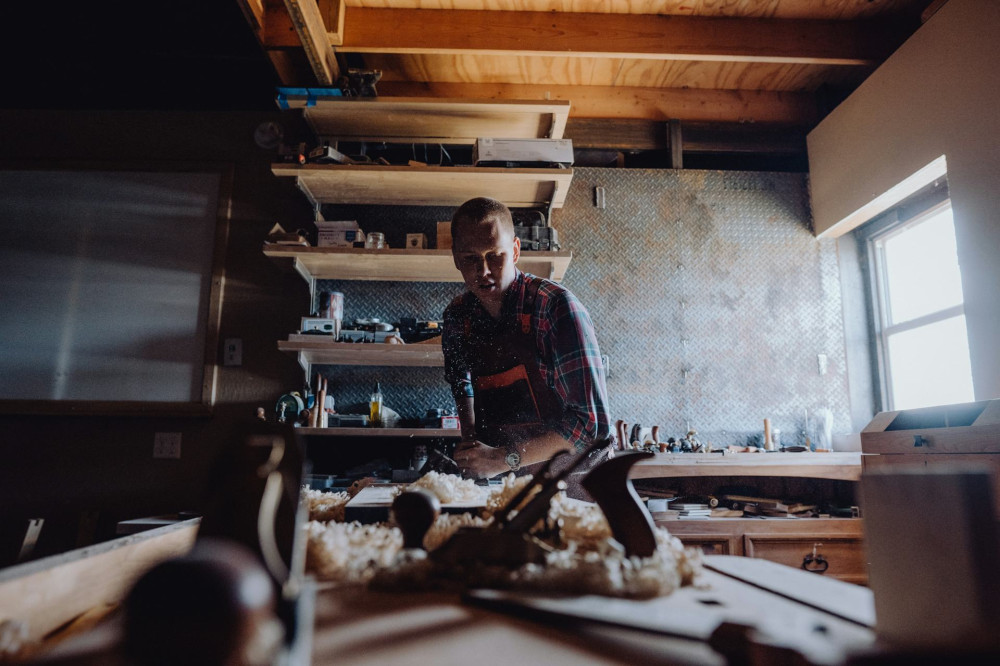
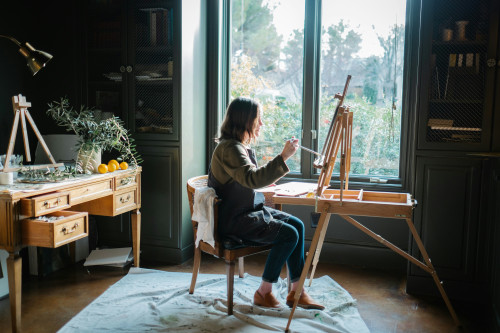
A clean, well-organized workspace makes learning easier. Keep your essential tools within reach and ensure good lighting – natural light is ideal if you’re working near a window or balcony. If space is limited, a foldable workbench or a small corner setup can work wonders.
Play some light background music if it helps you focus, but avoid distractions. Make it a habit to tidy up after each session – it keeps your space inviting and ready for the next project.
Learn from the Community
DIY doesn’t have to be a solo journey. You can learn a lot by connecting with others. Many Indian cities have maker spaces, craft studios, and weekend workshops where you can get hands-on guidance. Online communities and social media groups are also great places to share progress, ask questions, and get inspired by others’ creativity.
Seeing how others approach their projects can spark new ideas – and sometimes even lead to collaborations.
Be Realistic and Patient
It’s easy to feel impatient when you see professionals complete a project in a short video. But remember, they’ve practiced for years. Allow yourself to be a beginner. It’s perfectly fine if your first attempt isn’t perfect – what matters is that you’re learning.
Set achievable goals: maybe your first aim is to get a smooth paint finish, a sturdy joint, or a balanced design. Once you’ve mastered that, you can move on to more complex projects.
Læs også:
Document Your Progress
Take photos as you go – of both successes and mistakes. It might seem trivial, but it helps you see how far you’ve come. Looking back at your early attempts can be incredibly motivating.
You can also keep a small notebook or digital journal of your experiences: which materials worked best, which tools made the job easier, and what you’d do differently next time. Over time, it becomes your personal DIY handbook.
Make It Part of Everyday Life
Learning new DIY techniques doesn’t have to be a big event. Use small pockets of time – maybe 20 minutes after dinner or an hour on Sunday morning – to practice. Consistency is key. The more often you work with your hands, the more natural it becomes.
And remember: practice doesn’t just make perfect – it makes life more creative, fulfilling, and full of small, satisfying victories.
Læs også: