Prepare for Your Pet’s Changing Needs

Prepare for Your Pet’s Changing Needs
A pet often stays with us for many years – from a playful puppy or curious kitten to a calm senior companion. Along the way, their needs change significantly, both physically and emotionally. As a pet parent, you can do a lot to ensure your animal thrives at every stage of life. It takes awareness, flexibility, and an understanding of how age, environment, and lifestyle affect your pet. Here’s a guide to help you prepare for your pet’s changing needs.
From Energetic Youth to Calm Adulthood
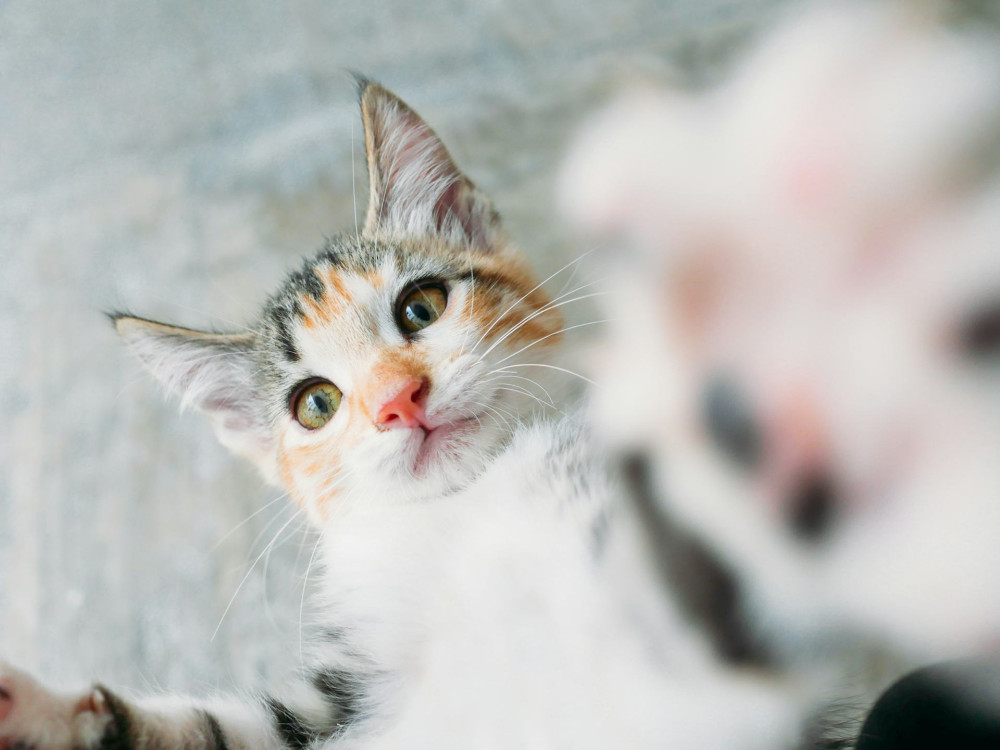
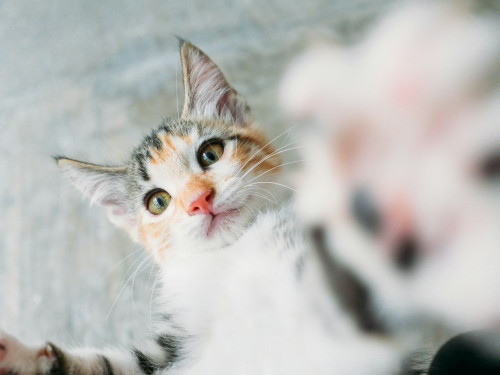
The early years with a pet are full of energy, curiosity, and learning. Puppies and kittens need stimulation, socialization, and consistent training to grow into confident, well-behaved adults. This stage requires time and patience, but it’s also filled with joy as you watch your pet learn and bond with you.
As your pet matures, their energy levels usually stabilize. Adult pets benefit from a balance of exercise and rest. Regular routines—such as fixed times for walks, meals, and play—help them feel secure and reduce stress. In India’s busy households, where family members often come and go, maintaining predictable routines can make a big difference to your pet’s comfort.
Nutrition Through the Life Stages
Diet is one of the most important aspects that changes with age. Young animals need nutrient-rich food to support growth, while adults require balanced meals to maintain a healthy weight. Senior pets may need easily digestible food with fewer calories and added nutrients for joint and heart health.
- Puppies and kittens: High-energy food with essential nutrients for growth.
- Adult pets: Balanced diets suited to their activity level and size.
- Senior pets: Light, digestible food that supports mobility and immunity.
In India’s warm climate, hydration is crucial. Always provide clean, fresh water, and consider wet food or homemade meals with moisture content during hot months. Consult your veterinarian before changing your pet’s diet—small adjustments can have a big impact on long-term health.
Health and Preventive Care
Regular veterinary check-ups are key to monitoring your pet’s development. Many health issues can be detected early if you notice changes in appetite, behavior, or movement.
Vaccinations, deworming, and parasite control are essential, especially in India where ticks, fleas, and mosquitoes are common year-round. Dental care is often overlooked but vital—clean teeth help prevent infections that can affect overall health.
Keep an eye on your pet’s weight. Both obesity and sudden weight loss can signal underlying problems. Annual health screenings, including blood tests for older pets, can help detect issues before they become serious.
Mental Stimulation and Emotional Well-being
A pet’s mental needs evolve just as much as their physical ones. Young animals crave play and exploration, while older pets often prefer calm and familiarity.
- Play and training: Use toys, puzzles, and short training sessions to keep their minds active.
- Social interaction: Pets thrive on companionship—whether from humans or other animals.
- Comfort and security: Avoid sudden changes in the home environment, especially for senior pets.
In Indian cities, where pets may spend more time indoors, mental stimulation is especially important. Interactive toys, gentle play, and regular affection can prevent boredom and anxiety.
Adapting Your Home for Every Stage
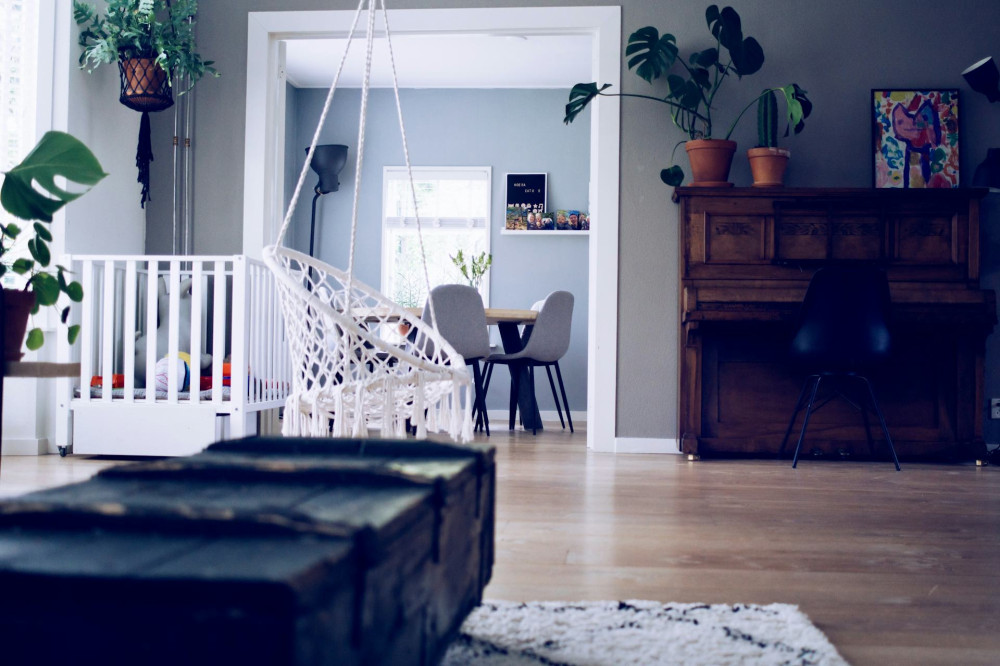
A home that suits a lively young dog may not be ideal for an aging one. As your pet grows older, consider how to make your space more comfortable and accessible:
- Use non-slip mats on smooth floors.
- Keep food and water bowls at a comfortable height.
- Provide soft bedding in quiet corners.
- Limit stairs or provide ramps for older pets.
Even small changes can greatly improve your pet’s quality of life, especially in their later years.
When Your Pet Becomes a Senior
Ageing in pets happens gradually. You might notice your dog walking slower or your cat sleeping more. These are natural changes, but they also mean you should adjust your expectations—shorter walks, gentler play, and more rest are often best.
Keeping a simple diary of your pet’s habits—eating, sleeping, and activity—can help you and your vet track their well-being. Early attention to small changes can make a big difference in maintaining comfort and happiness.
Læs også:



A Lifelong Commitment and Joy
Caring for a pet is a lifelong responsibility. It means staying attentive to their evolving needs and adapting as they age. In return, you gain a bond that deepens over time—from playful beginnings to peaceful companionship.
By understanding and responding to your pet’s changing needs, you can give them a long, healthy, and fulfilling life—and enjoy the unconditional love that only a pet can offer.
Læs også: