When Your Pet Gets Restless During Grooming – How You Can Help

When Your Pet Gets Restless During Grooming – How You Can Help
For many pet owners in India, grooming is an essential part of keeping their furry companions healthy and comfortable. Regular brushing, nail trimming, and bathing help prevent skin problems and keep pets looking their best, especially in our warm and often humid climate. Yet, for many animals, grooming can be stressful. Some squirm, others hide, and a few may even growl or scratch. The good news is that with patience and understanding, you can make grooming a calmer experience for both you and your pet.
Understand Why Your Pet Reacts
Restlessness during grooming is rarely about disobedience. It’s usually a sign of fear, discomfort, or unfamiliarity. Pets are sensitive to sounds, smells, and touch, and if they associate grooming with something unpleasant, they’ll naturally resist.
- Dogs may be frightened by the sound or vibration of clippers, or by water if they’ve had a bad bathing experience.
- Cats often dislike being restrained and may react to new scents from shampoos or sprays.
- Small pets like rabbits or guinea pigs can be startled by quick movements or loud noises.
Recognising what triggers your pet’s anxiety is the first step toward helping them feel safe.
Create a Calm Environment at Home
Choose a quiet, comfortable space for grooming—away from traffic noise, children playing, or other pets. Your own calmness matters too; animals quickly pick up on your mood.
- Use a soft towel or mat that smells familiar.
- Speak in a gentle, reassuring tone.
- Take short breaks if your pet becomes restless.
- Offer treats or praise after each step to build positive associations.
In India’s warmer months, try grooming during cooler hours of the day to avoid overheating, especially for long-haired breeds.
Train Gradually and Patiently
Desensitisation—slowly getting your pet used to grooming tools and touch—can make a big difference. Start small: let your pet sniff the brush or hear the clipper without using it. Then, gently brush for a few seconds and reward calm behaviour. Over time, increase the duration.
Some pets may take weeks to adjust, and that’s perfectly fine. The key is consistency and patience. Forcing the process can make fear worse, while gentle repetition builds trust.
Use the Right Tools and Products
Choose grooming tools suited to your pet’s coat type and size. For example, Indian breeds like the Indie dog often have short coats that need gentle brushing, while long-haired breeds may require detangling combs. Always use pet-safe shampoos—preferably mild, herbal, or vet-recommended ones that suit your pet’s skin type and the local climate.
If you’re considering calming sprays or supplements, consult your veterinarian first. Not all products are suitable for every animal, and professional advice ensures safety.
When to Seek Professional Help
If your pet remains highly anxious despite your efforts, it may be time to consult a professional groomer or animal behaviourist. Many grooming salons in Indian cities now offer “introductory sessions” where pets can explore the space without being groomed. This helps them get used to the sights, sounds, and smells before a full session.
Your vet can also check for underlying issues—like skin irritation or pain—that might make grooming uncomfortable.
Læs også:
Remember: Calmness Is Contagious
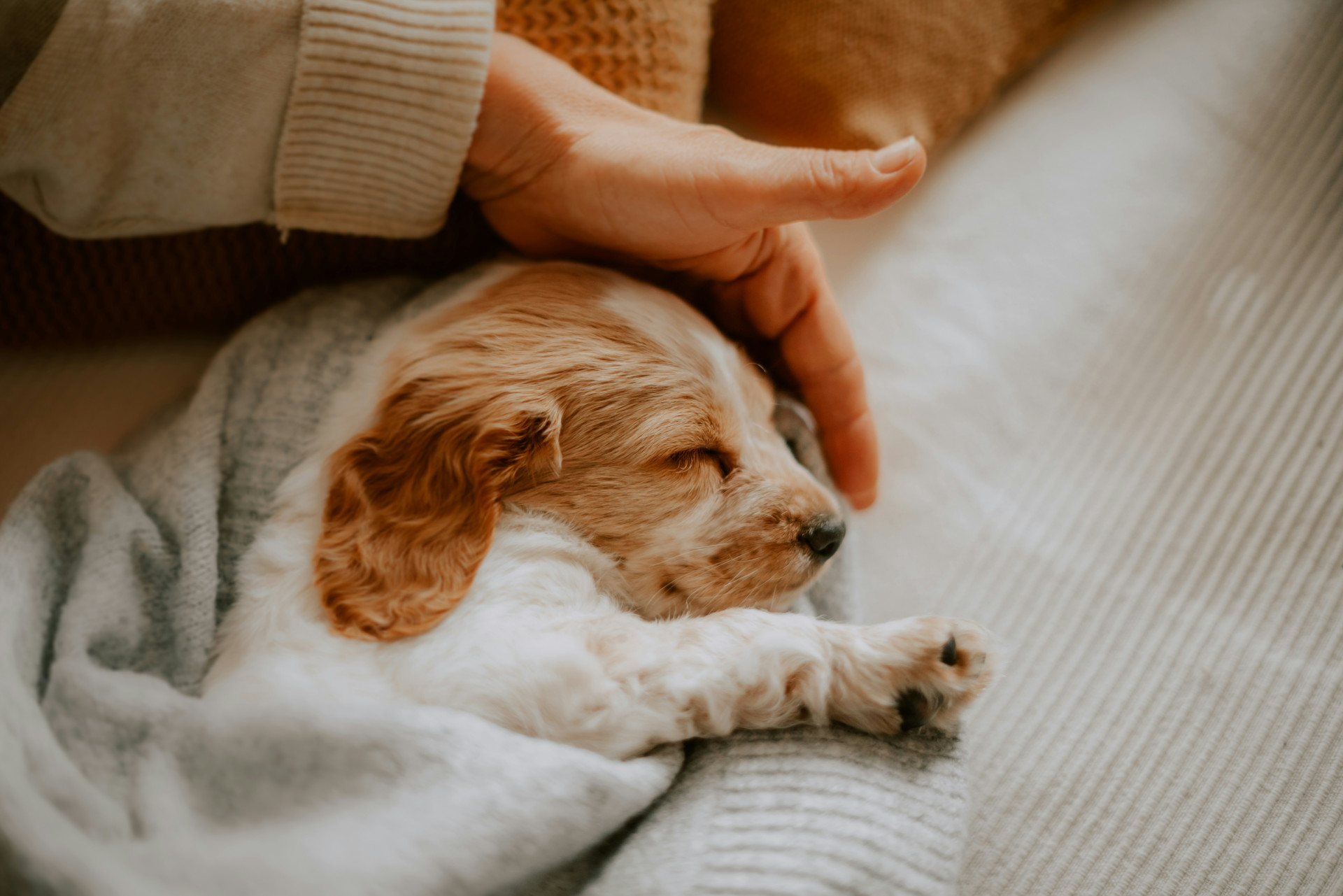
Pets mirror their owners’ emotions. If you stay calm, patient, and positive, your pet will feel more secure. Turn grooming into a bonding ritual rather than a chore—perhaps with soothing background music, a few treats, and plenty of affection.
With time, understanding, and gentle care, even the most restless pet can learn that grooming isn’t something to fear, but a moment of comfort and connection in a loving home.
Læs også: