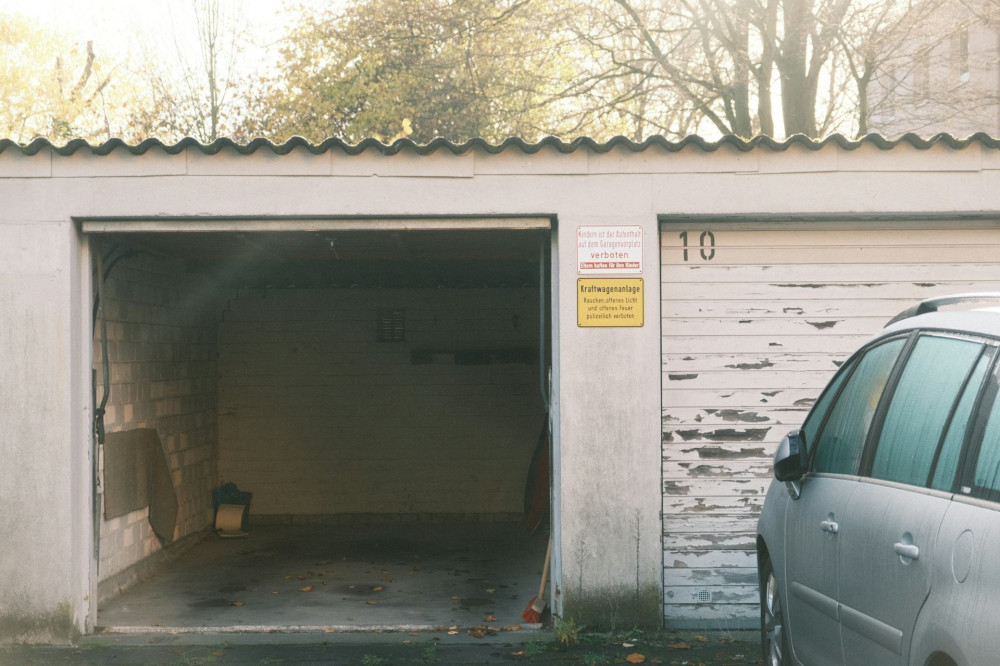
Prepare the Construction Site for Your Garage Project

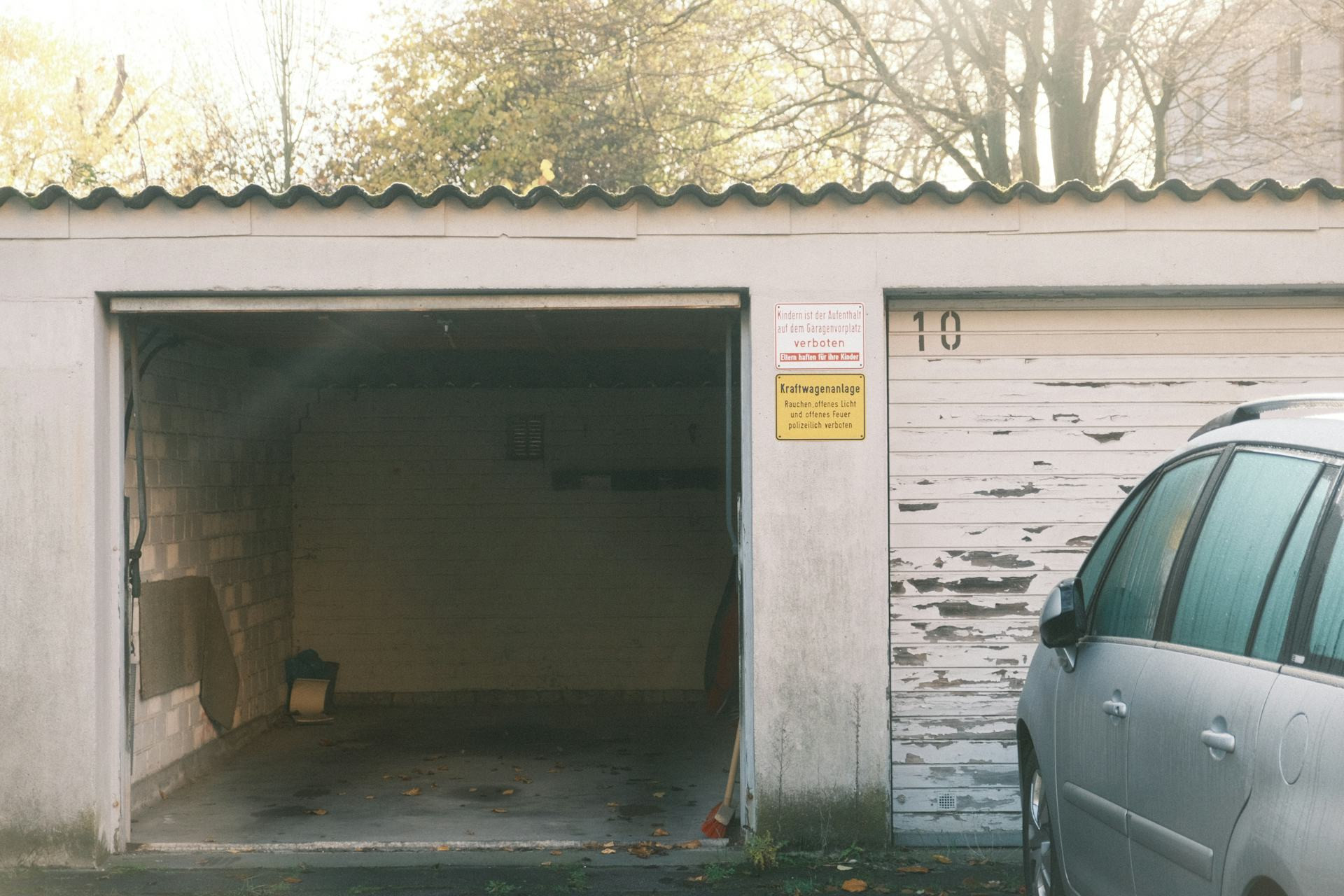
Prepare the Construction Site for Your Garage Project
Building a garage is an exciting project, but before the walls go up and the roof takes shape, the site itself must be properly prepared. A well-organized construction site ensures that the work proceeds safely, efficiently, and without unnecessary delays. Whether you plan to build the garage yourself or hire professionals, careful preparation is the first step toward a successful project. Here’s a practical guide tailored for homeowners in India.
Begin with Planning and Permissions
Before starting any physical work, check the local building regulations in your area. In most Indian cities and towns, you’ll need approval from the municipal corporation or local panchayat. Verify zoning rules, setback requirements, and permissible building heights. If your property is part of a gated community or housing society, you may also need their consent.
Once permissions are in place, review your architectural drawings carefully. Mark the exact location of the garage on your plot and ensure there’s enough space for the structure, driveway, and drainage. Consider future needs too—perhaps you’ll want space for an additional vehicle, a small workshop, or storage.
Clear the Area and Ensure Access
A clean and accessible site makes construction smoother and safer. Remove vegetation, debris, old structures, or any obstacles that could interfere with the work. If there’s an existing shed or temporary shelter, dismantle it and dispose of the materials responsibly.
Think about how construction vehicles and material deliveries will reach the site. Cement mixers, sand trucks, and other heavy vehicles need stable access. If your property is in a narrow lane or has soft soil, you may need to lay temporary planks or gravel to support vehicle movement.
Mark and Level the Foundation
Once the area is cleared, mark the outline of the garage using ropes, stakes, and a spirit level. Double-check that the dimensions match your approved plan. Even small measurement errors can cause major issues later.
Leveling is especially important in Indian conditions, where uneven terrain and monsoon rains can affect stability. The garage floor should be slightly elevated above the surrounding ground to prevent water from entering during heavy rains. Use a laser level or a simple water level to ensure accuracy.
Plan for Drainage and Rainwater Management
Proper drainage is essential for durability. Before pouring the foundation, plan how rainwater will flow away from the structure. Install a basic drainage trench or pipe system to direct water toward a soak pit or municipal drain. This prevents waterlogging and protects the foundation from moisture damage.
Also, decide how you’ll handle roof runoff. You can connect downpipes to a rainwater harvesting system or a storage tank—an eco-friendly solution that’s increasingly popular across India.
Prepare for Electricity and Utilities
Even if your garage is mainly for parking, having electricity for lighting, tools, or an electric vehicle charger is practical. Plan the electrical layout early and have a licensed electrician install conduits before the foundation is poured. This avoids the need for messy modifications later.
If you plan to include a wash area or small workshop, consider running water and drainage lines now. It’s easier and cheaper to install these utilities during the initial phase than after construction is complete.
Maintain Safety and Organization on Site
A tidy site is a safe site. Designate specific areas for storing materials like cement, sand, and steel, and keep them covered to protect from rain and dust. Dispose of waste materials regularly to prevent clutter.
If you’re managing the work yourself, ensure that everyone on site uses proper safety gear—helmets, gloves, and sturdy footwear. Construction accidents are common but preventable with basic precautions.
Get Ready for the Foundation Work
With the site cleared, marked, and leveled, you’re ready to start excavation. The depth of the foundation will depend on soil type and local conditions—typically between 60 and 90 cm for most Indian soils. Compact the base with a layer of gravel or sand before pouring concrete.
If your area has clayey soil or a high water table, consult a structural engineer. A strong, well-designed foundation ensures that your garage remains stable for decades, even through seasonal changes.
Læs også:



A Solid Start for a Smooth Build
Good preparation is the foundation of a successful garage project. When you’ve taken care of permissions, access, drainage, and safety, the construction process becomes far more manageable. Investing time in proper site preparation saves money, reduces stress, and ensures that your new garage stands strong through India’s diverse weather conditions.
Læs også: