The building permit for your garage is approved – what should you do next?

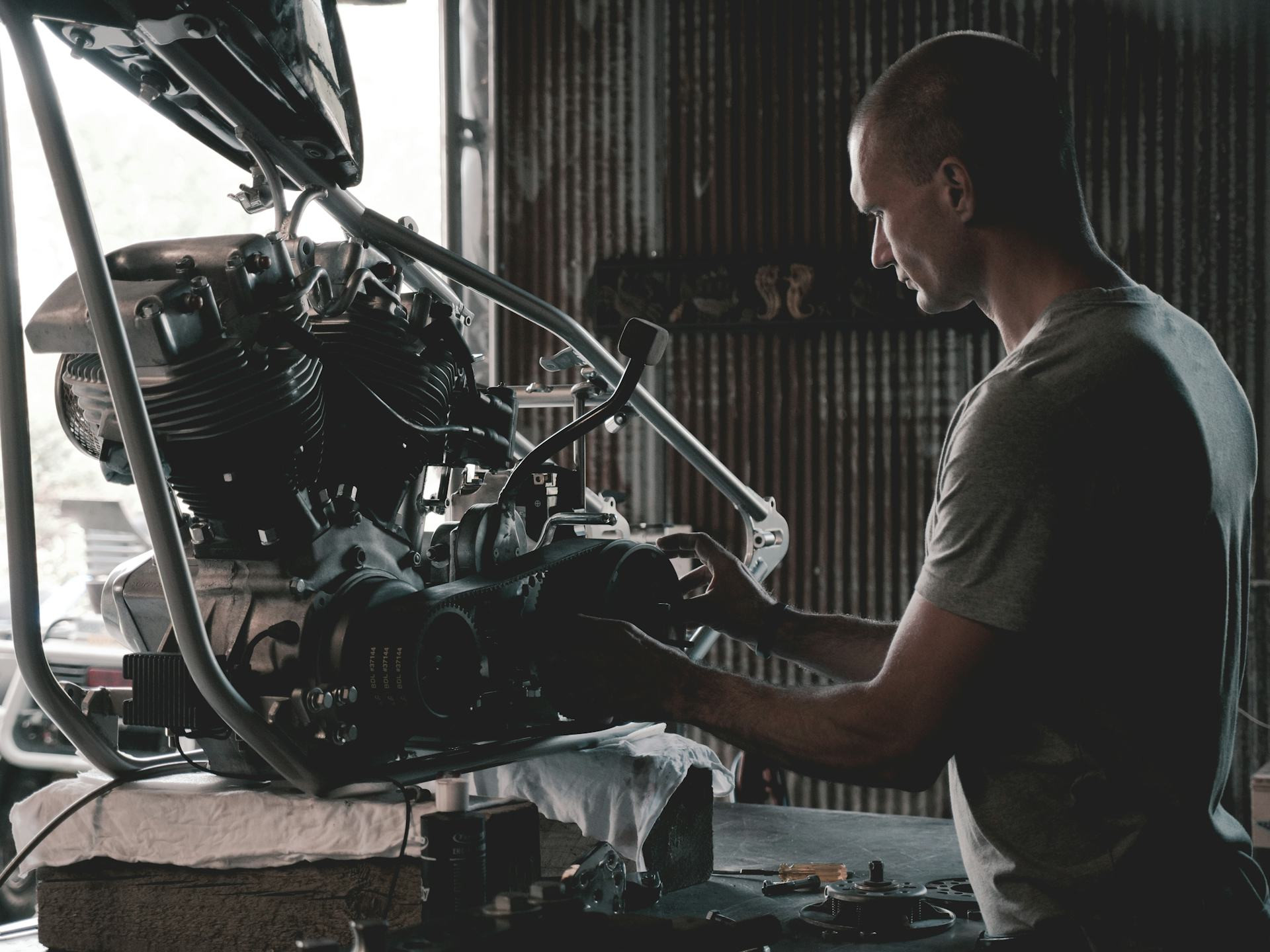
The building permit for your garage is approved – what should you do next?
Getting your building permit approved is a major milestone. You’ve received the green light from your local authority, and your dream of having a new garage can finally take shape. But what happens after the approval? What steps should you take before construction begins, and how can you ensure that the project runs smoothly from start to finish? Here’s a practical guide to what comes next once your building permit is in hand.
Review the permit carefully
Even though your permit has been approved, it’s important to read it thoroughly. The approval may include specific conditions you must follow – such as setback requirements, height limits, materials to be used, or fire safety measures. Check if there’s a time limit for starting or completing the construction. In many Indian municipalities, the permit may lapse if work doesn’t begin within a certain period, often one year.
If anything in the permit is unclear, contact your local municipal office or the building officer who handled your application. It’s much easier to clarify questions now than to face compliance issues later during construction.
Plan your construction in detail
Once you understand the permit conditions, the next step is to plan the construction process. Create a realistic timeline and decide whether you’ll build the garage yourself or hire professionals. If you plan to hire a contractor, get multiple quotes and ensure that all agreements are in writing – especially regarding cost, schedule, and responsibilities. Verify that your contractor is registered with the local authority and has the necessary licenses.
Also, think about practical aspects such as access for construction vehicles, storage of materials, and minimizing inconvenience to your neighbors. Good planning helps prevent delays and unexpected expenses.
Arrange the necessary insurance and safety measures
Before construction begins, make sure you have the right insurance coverage and safety arrangements in place. As the property owner, you are responsible for ensuring that the work is carried out safely and that everyone on site is protected. Consider the following:
- Construction insurance – covers damage to materials or the structure during construction.
- Public liability insurance – protects you in case of accidents or damage to third parties.
- Contractor’s insurance – confirm that your builder or contractor has valid insurance and follows safety regulations.
In addition, ensure that the site complies with local safety norms, including proper fencing, signage, and protective gear for workers.
Læs også:
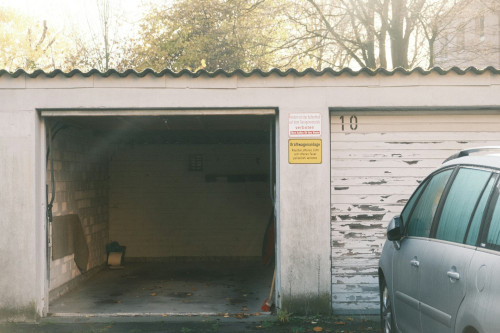


Prepare the site
Before construction can start, the site must be properly prepared. This usually involves:
- Clearing the area of vegetation, debris, or old structures.
- Marking the boundaries and layout according to the approved plan.
- Ensuring proper drainage and access for construction vehicles.
It’s a good idea to hire a licensed surveyor to mark the exact location of the garage. This helps avoid boundary disputes or costly corrections later.
Monitor the construction process
Once the building work begins, stay actively involved. Whether you’re managing the project yourself or working with a contractor, regularly check that the work follows the approved plans and building codes. Take photos and keep records of progress – this documentation can be useful if any issues arise later.
If your project is large or complex, consider hiring a project manager or civil engineer to oversee quality, timelines, and costs. Their expertise can help you avoid common pitfalls and ensure compliance with local regulations.
Obtain completion and occupancy certificates
When the garage is finished, you’re not quite done yet. Most local authorities in India require a completion certificate before you can officially use the new structure. This certificate confirms that the construction has been carried out according to the approved plans and building standards. You may need to submit photographs, structural safety certificates, and inspection reports.
After the completion certificate, you may also need an occupancy certificate (OC) from the municipal authority, confirming that the building is safe and ready for use. Only after receiving the OC should you start using your new garage.
Set up your garage for everyday use
Now comes the enjoyable part – setting up your garage. Think about how you’ll use the space: for parking, storage, a workshop, or perhaps a combination of all three. Plan for good lighting, ventilation, electrical outlets, and security features. If you intend to use the garage year-round, consider insulation and waterproofing to protect against heat and moisture.
A well-designed garage can add both functionality and value to your property – and even become a favorite space for hobbies or projects.
From permit to finished garage – a journey of preparation and care
Getting your building permit is just the beginning. Turning that approval into a completed, compliant, and functional garage requires careful planning, attention to detail, and patience. By reviewing your permit, organizing your construction process, ensuring safety and compliance, and following up with the necessary certificates, you can complete your project confidently – and soon enjoy a garage that meets your needs and stands the test of time.
Læs også: