What Characterizes Good Living Room Lighting?

What Characterizes Good Living Room Lighting?
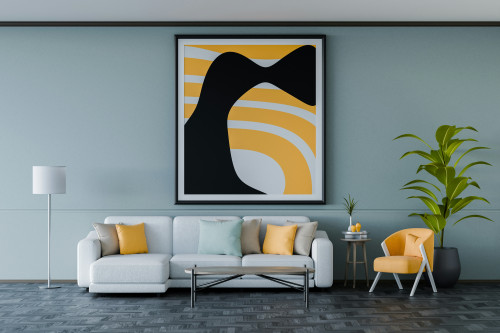
The living room is the heart of the home – a space where families gather, guests are welcomed, and moments of relaxation unfold. In India, where homes often serve multiple purposes and lighting conditions vary greatly from region to region, good living room lighting is about more than just brightness. It’s about creating comfort, flexibility, and atmosphere that suit both daily routines and festive occasions. Here’s a guide to what defines good living room lighting – and how you can achieve it in your own home.
Layered Lighting – The Golden Rule
A well-lit living room rarely depends on a single light source. Instead, it’s about combining different types of lighting that work together to create a balanced and adaptable environment. Generally, you can think in three layers:
- Ambient lighting – the main source of light that provides overall illumination. Ceiling fixtures, recessed lights, or LED panels can serve this purpose.
- Task lighting – focused light for specific activities, such as a reading lamp near the sofa or a table lamp by a study corner.
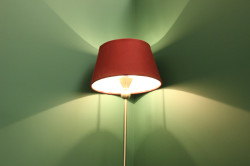
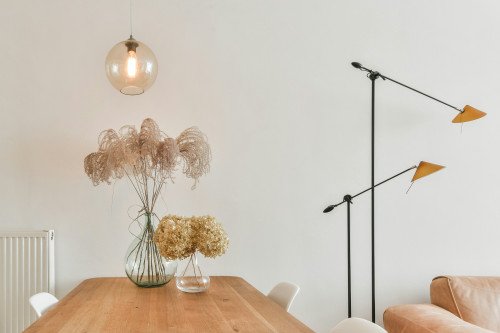
- Accent lighting – softer, decorative light that adds depth and mood. This could be wall sconces, floor lamps in corners, or LED strips behind furniture or artwork.
When these layers are combined, your living room becomes both functional and inviting – ready for everything from family movie nights to festive gatherings.
Choosing the Right Brightness and Colour Temperature
Light quality matters as much as quantity. For living rooms, warm white light (around 2700–3000 Kelvin) creates a cozy and welcoming atmosphere. In India’s warmer climate, some prefer slightly cooler tones (up to 4000 Kelvin) to maintain a fresh and airy feel during the day. The key is balance – warm enough for comfort, but not so yellow that it feels dim.
Dimmable LED bulbs are a great choice, allowing you to adjust brightness according to the time of day or activity. Look for bulbs with a high colour rendering index (CRI above 90) to ensure that fabrics, artwork, and décor appear natural and vibrant.
Placement Makes the Difference
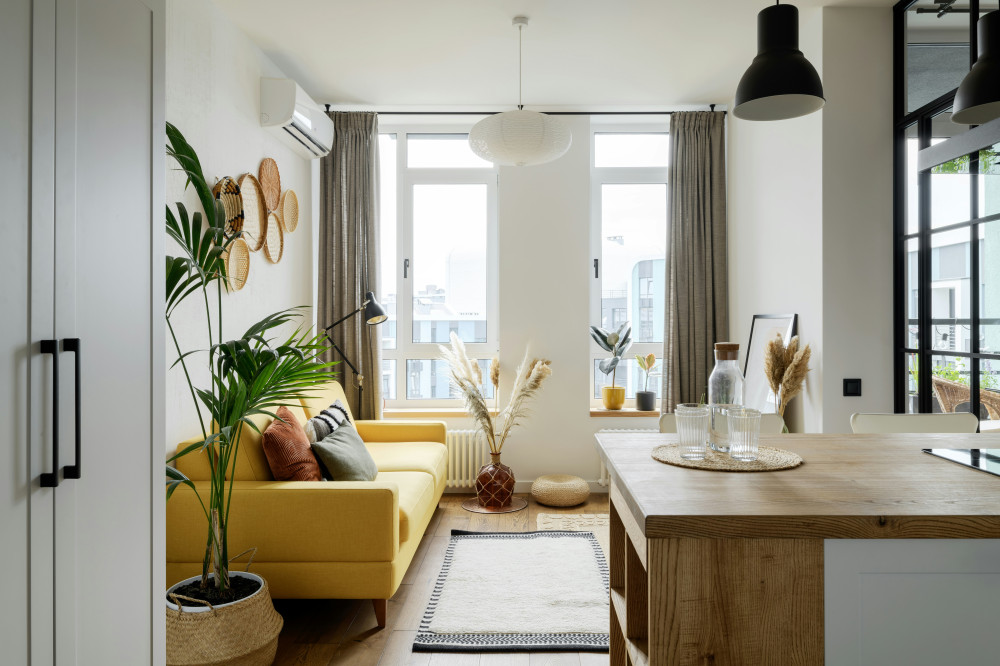
The position of your lights determines how the room feels. A single ceiling light can make the space look flat and harsh. Instead, distribute light sources around the room to create layers and visual interest.
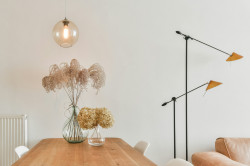
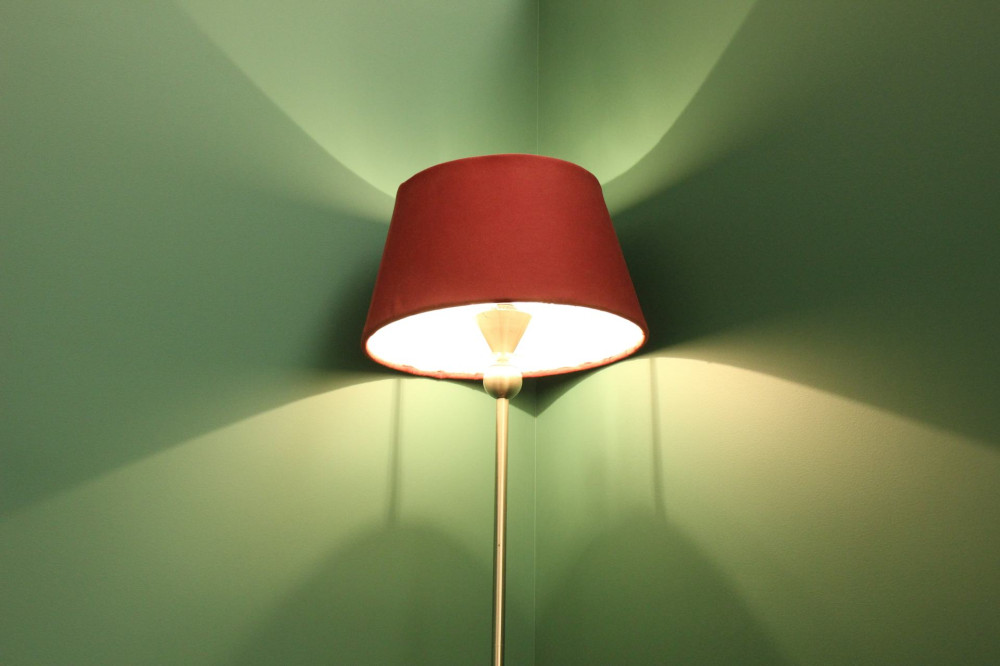
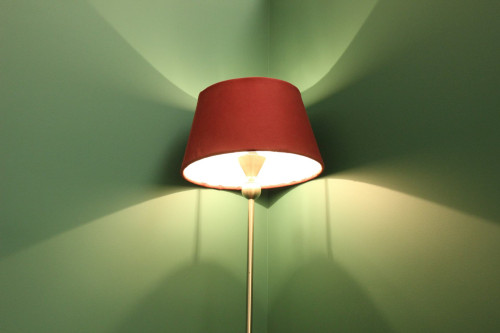
- Place floor lamps in corners to open up the space and balance shadows.
- Use table lamps on side tables or shelves to add warmth and intimacy.
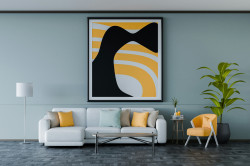
- Install spotlights or wall washers to highlight paintings, plants, or textured walls – a popular feature in many Indian homes with decorative niches or stone finishes.
Be mindful of glare, especially from glossy surfaces or TV screens. Use lampshades or diffusers to soften the light and avoid direct exposure to the eyes.
Working with Natural Light
India’s abundant sunlight is a gift – make the most of it. Arrange seating areas near windows and use sheer curtains to filter daylight while keeping the room bright. For west-facing rooms that get strong afternoon sun, consider blinds or layered curtains to control heat and glare.
In the evenings, let artificial lighting take over gradually. Warm-toned lamps can mimic the golden hues of sunset, helping the transition from day to night feel natural and soothing.
Materials, Textures, and Shadows
Lighting interacts with materials in powerful ways. A fabric lampshade diffuses light softly, while glass or metal reflects it more sharply. Combining different textures – matte, glossy, and translucent – adds depth and character to your living room.
Don’t be afraid of shadows; they bring contrast and calm. The goal is not to eliminate darkness but to balance it, so the room feels dynamic rather than flat.
Smart and Sustainable Choices
Modern Indian homes are increasingly turning to smart lighting systems that can be controlled via smartphone or voice assistant. These allow you to change brightness and colour temperature with ease – perfect for switching from work mode to relaxation mode in seconds.
Energy efficiency is also key. LED lights consume far less electricity than traditional bulbs and last much longer, making them both eco-friendly and cost-effective – an important consideration in a country where energy conservation is becoming a shared responsibility.
Lighting with Personality
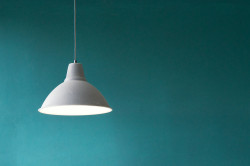
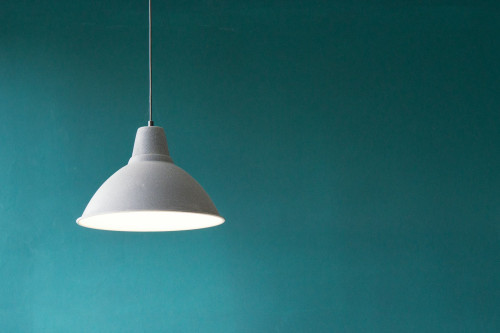
Lighting is not just functional; it’s an expression of style. A statement pendant above the coffee table, a handcrafted lamp from a local artisan, or a minimalist LED strip along a false ceiling can all serve as focal points. Choose designs that reflect your personality and complement your décor – whether it’s traditional, contemporary, or a mix of both.
Læs også:
A Living Room That Feels Alive
Good living room lighting is ultimately about harmony – between function and mood, light and shadow, tradition and modernity. By layering your lights, choosing the right tones, and making thoughtful placements, you can create a space that feels comfortable, beautiful, and uniquely yours.
In an Indian home, where every corner tells a story, the right lighting ensures that story shines in its best light.
Læs også: