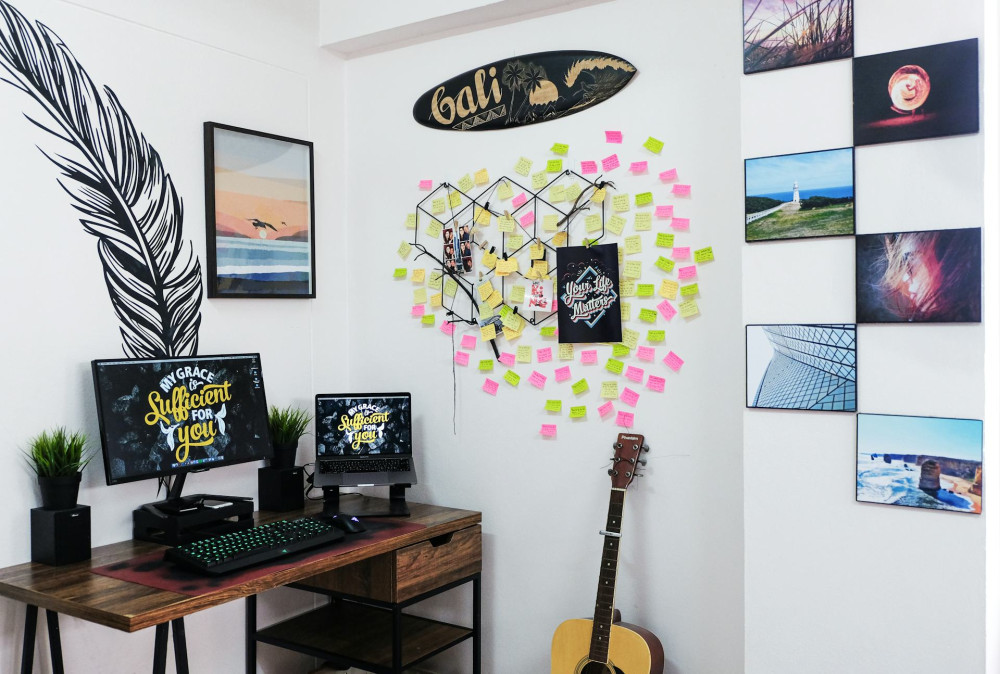
Acoustics in the Home Office – Learn to Identify the Problems

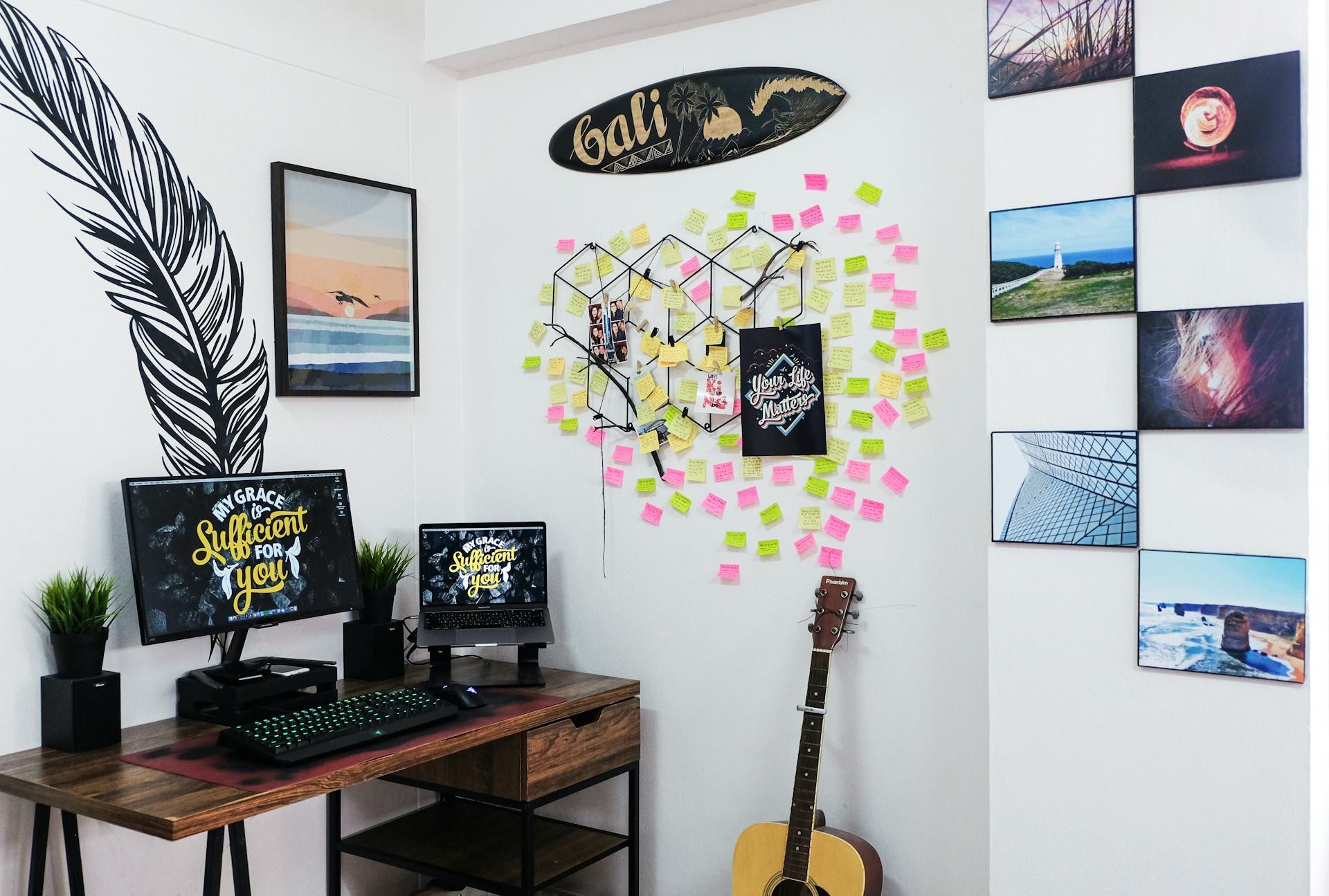
Acoustics in the Home Office – Learn to Identify the Problems
A home office should be a place where you can focus, think clearly, and work efficiently. But even with the best desk and the fastest internet connection, poor acoustics can ruin your concentration. Echo, reverberation, and background noise can make it difficult to stay productive and may even lead to fatigue or headaches. In this article, you’ll learn how to identify the most common acoustic problems in your home office – and how to start improving them.
Why Acoustics Matter More Than You Think
When we talk about a good workspace, most people think of ergonomics and lighting. But the sound environment is just as important. Poor acoustics can make a room feel stressful, even if it looks comfortable. That’s because your brain constantly tries to filter out unwanted sounds – a process that consumes energy and can cause mental exhaustion.
Rooms with hard surfaces like tiles, glass, or bare walls reflect sound, creating echoes and making speech less clear, especially during online meetings. On the other hand, a room with too many soft materials can feel “muffled” and unnatural. The key is balance – enough absorption to reduce echo, but not so much that the room feels lifeless.
Common Signs of Poor Acoustics
You don’t need professional equipment to detect acoustic problems. Often, you can hear – and feel – them yourself. Here are some typical signs:
- Echo when you speak – if your voice bounces off the walls, there are too many hard surfaces.
- Muffled or unclear sound during calls – when voices sound distant or distorted, sound reflections are likely the cause.
- Fatigue and difficulty concentrating – constant background noise forces your brain to work harder.
- Amplified background sounds – typing, ceiling fans, or traffic noise seem louder than they should.
If you notice several of these issues, it’s a sign that your home office acoustics need attention.
How to Test the Acoustics in Your Room
A simple test is to clap your hands in the middle of the room. If you hear a distinct echo or a long reverberation, the room lacks sound absorption. You can also record your voice on your phone while speaking normally – if the playback sounds sharp or “hollow,” the acoustics need improvement.
Observe how the sound changes when you add or remove furniture, curtains, or rugs. Even small adjustments can make a big difference. An empty room will always sound worse than one with a mix of materials that break up sound waves.
The Most Noise-Sensitive Areas at Home
Not every room is equally suitable for a home office. A workspace near the kitchen, living room, or a busy street may be exposed to noise you can’t control. Consider the following:
- Location – choose a room away from high-traffic areas in your home.
- Building materials – older homes with thicker walls often block sound better than modern open layouts.
- External noise – if you live near a busy road or construction site, use heavy curtains, door seals, or acoustic panels to reduce intrusion.
Understanding where the noise comes from is the first step toward reducing it.
What You Can Do Right Now
You don’t need to invest in professional acoustic treatment to improve your sound environment. Start with small, practical changes:
- Rugs and curtains – absorb sound and reduce echo.
- Bookshelves and indoor plants – scatter sound waves and make the room feel more natural.
- Acoustic panels or fabric wall art – available in many designs and easy to install.
- Soft furniture – a sofa, armchair, or cushions can make a noticeable difference.
If you spend a lot of time on video calls, consider using a directional microphone or noise-cancelling headset – both can significantly reduce background noise.
Læs også:



When You Want to Go Further
If you want to fine-tune your home office acoustics, you can have the room’s reverberation time measured. This gives a clear picture of how sound behaves in the space and where improvements are needed. Many interior and acoustic consultants in India now offer services for home offices, especially as remote work becomes more common.
Better Sound, Better Workdays
Good acoustics aren’t just about comfort – they’re about productivity and well-being. When you can hear clearly, speak naturally, and think without distraction, your work becomes smoother and more enjoyable. By identifying and addressing the acoustic challenges in your home office, you can create a workspace that supports both focus and peace of mind.
Læs også: