Change the Office Mood with the Hue of Light


Change the Office Mood with the Hue of Light
The lighting in your office has a far greater impact on your mood, energy, and productivity than you might think. It’s not just about how bright the light is, but also about its colour temperature – the hue of the light. The right lighting can make your workday smoother, improve focus, and create a more pleasant atmosphere – whether you’re in a corporate office in Mumbai or working from your home in Bengaluru.
Here’s a guide to how you can use the hue of light to transform the mood and functionality of your workspace.
What Does the Hue of Light Mean?
The hue or colour temperature of light is measured in kelvin (K) and describes how “warm” or “cool” the light appears.
- Warm light (2,700–3,000 K) has a golden tone, similar to candlelight or sunset.
- Neutral light (3,500–4,000 K) resembles daylight on a cloudy day.
- Cool light (5,000–6,500 K) has a bluish tone, like bright daylight at noon.
The colour temperature you choose affects both the atmosphere and your biological rhythm. Warm light feels relaxing, while cool light stimulates alertness and concentration.
Boost Energy with Cool Light
If you work in a busy office or need to stay focused through long hours, cool white light can be your best ally. It mimics daylight and helps your body stay awake and attentive – especially useful in offices with limited natural light or during monsoon days when the sky stays grey.
Cool light works best for:
- Meeting rooms, where brainstorming and decision-making happen.
- Precision tasks, such as design, accounting, or technical work.
- Early mornings, when your body is still waking up.
However, too much cool light can feel harsh or sterile. A good approach is to balance it with warmer light zones in common areas or break rooms.
Læs også:


Create Comfort with Warm Light
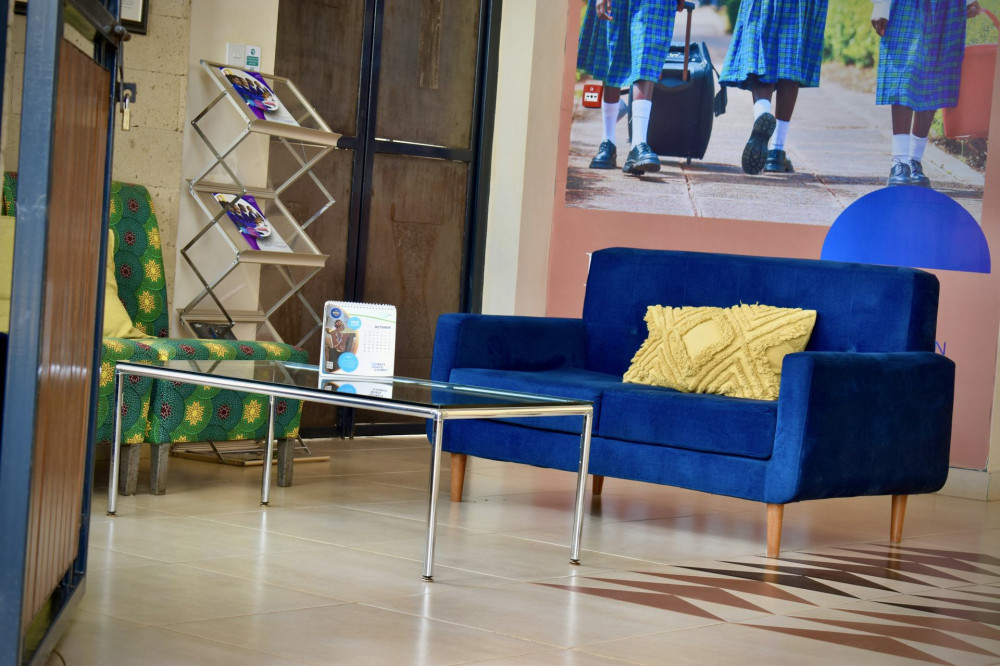
In lounges, cafeterias, and reception areas, warm light can make a big difference. It creates a sense of comfort and friendliness that encourages people to relax and connect.
Warm light is ideal for:
- Breakout zones and coffee corners, where employees unwind.
- Home offices, especially in the evening when you want a calmer mood.
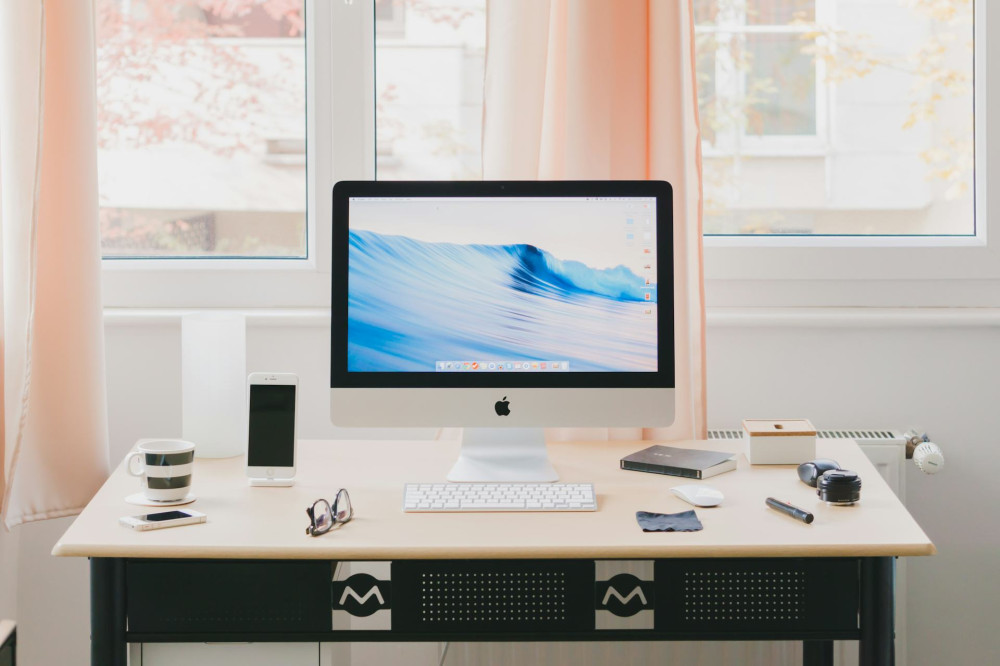
- Spaces with many screens, where warm light can offset the blue glow from monitors.
Using dimmable lamps allows you to adjust brightness and smoothly transition from work mode to relaxation mode.
Follow the Natural Rhythm with Dynamic Lighting
Many modern offices in India are now adopting dynamic lighting systems, where the hue of light changes throughout the day. In the morning, the light starts cool to energise the body; around midday, it becomes more neutral; and by evening, it shifts to a warmer tone.
This approach supports the body’s natural circadian rhythm, reducing fatigue and eye strain. Smart lighting systems – such as Philips Hue or Wipro Smart LED – make it easy to automate these changes based on time or activity.
Integrate Light with Interior Design
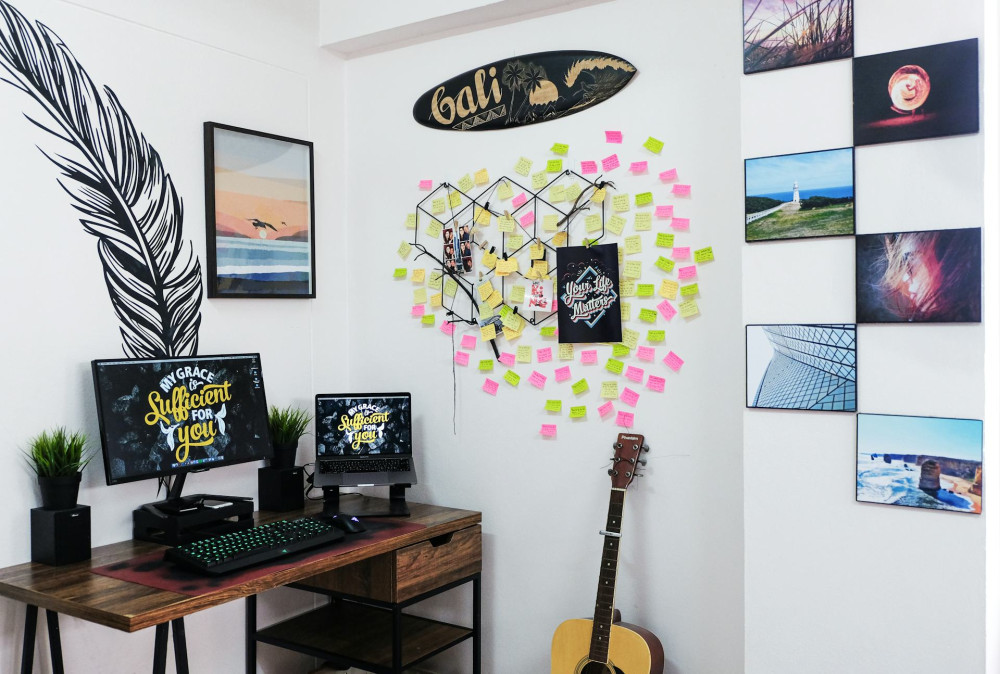
The hue of light should always complement the rest of your office design. Dark walls and furniture absorb light, while lighter surfaces reflect it. A room with glass partitions and white walls can handle warmer light, while a darker office may benefit from cooler tones to feel more open and airy.
Also, consider how natural daylight interacts with your space. Offices with large south-facing windows may need warmer artificial light to balance the bright sunlight, while north-facing rooms can use cooler light to create a fresher look.
Small Changes, Big Impact
You don’t need to overhaul your entire lighting system to notice a difference. Start by:
- Replacing desk lamp bulbs with adjustable LED lights.
- Adding a warm light source in your relaxation area.
- Experimenting with different colour temperatures in various zones.
Even small adjustments can dramatically change the office mood – improving both well-being and productivity.
Light as Part of Work Culture
Lighting isn’t just about aesthetics; it’s about care and comfort. A well-lit office shows attention to employee well-being and helps build a culture where people feel motivated and valued.
So next time you switch on the light at work, ask yourself: What mood do you want to create today?
Læs også: