Sun shading that ensures a comfortable and stable indoor climate


Sun shading that ensures a comfortable and stable indoor climate
In a country like India, where sunlight is abundant and temperatures can soar for much of the year, managing the sun’s heat and glare is essential for maintaining comfort indoors. Whether it’s a home in Chennai, an office in Mumbai, or a school in Delhi, the right sun shading can make a remarkable difference. It helps regulate indoor temperature, reduces energy consumption, and creates a pleasant, balanced atmosphere. Let’s explore how effective sun shading can ensure a comfortable and stable indoor climate across India’s diverse conditions.
Why sun shading matters
Sunlight brings warmth and brightness, but too much of it can quickly turn a room into an oven. In cities where summer temperatures often exceed 40°C, unshaded windows allow heat to build up, forcing air conditioners to work harder and increasing electricity bills.
Sun shading is not only about blocking heat—it’s also about controlling light. Proper shading reduces glare on computer screens, protects furniture and fabrics from fading, and maintains a consistent level of natural light throughout the day. In short, good sun shading creates harmony between light, temperature, and comfort.
Exterior or interior shading?
There are two main types of sun shading—exterior and interior—each with its own advantages.
-
Exterior shading (such as awnings, louvers, or external blinds) stops the sun’s rays before they hit the glass. This is the most effective way to prevent heat from entering a building. Exterior systems are ideal for west- and south-facing windows that receive intense afternoon sun.
-
Interior shading (such as curtains, roller blinds, or Venetian blinds) is easier to install and offers more flexibility in design. It helps control brightness and adds aesthetic value, though it is less effective at blocking heat compared to exterior options.
Often, the best results come from combining both types—for example, using exterior screens to reduce heat gain and interior blinds to fine-tune light levels and enhance the décor.
Materials and technology make the difference
Modern sun shading solutions go far beyond traditional curtains. Advanced fabrics with reflective coatings, UV protection, or micro-perforations can significantly reduce solar heat while still allowing daylight to filter through.
Smart shading systems are also gaining popularity in India’s new green buildings. These systems automatically adjust blinds or louvers based on sunlight intensity, time of day, or indoor temperature. The result is a stable indoor climate with minimal manual effort—and lower energy use for cooling and lighting.
Sun shading at home
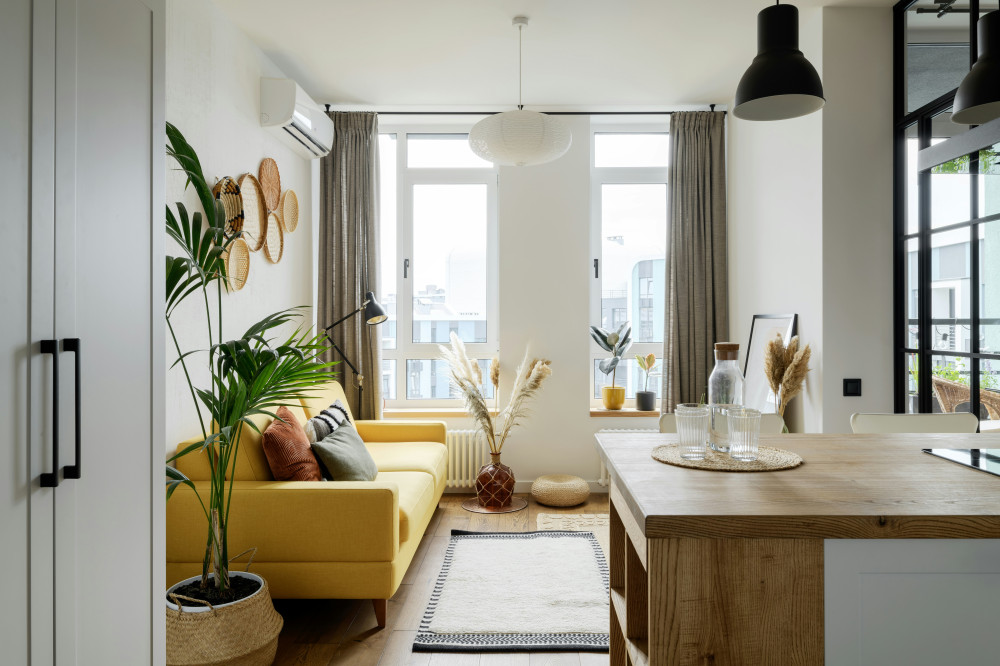
In Indian homes, sun shading contributes to both comfort and ambience. In bedrooms, blackout curtains can block early morning light and help maintain a cooler environment for restful sleep. In living rooms, light-filtering blinds or bamboo shades can soften harsh sunlight while preserving a natural, airy feel.
Consider the orientation of each room: a kitchen facing east may need lighter shading to welcome morning light, while a west-facing balcony might benefit from thicker or reflective materials to block the afternoon heat. Flexible systems—like adjustable blinds or dual-layer curtains—allow you to adapt to changing light throughout the day.
Sun shading in offices and commercial spaces
In workplaces, sun shading plays a key role in employee comfort and productivity. Excessive sunlight can cause glare on screens and raise indoor temperatures, while insufficient light can make spaces feel dull. The right balance improves focus and well-being.
Automated shading systems are particularly useful in large office buildings. Sensor-controlled blinds can respond to sunlight and occupancy, ensuring optimal lighting and temperature without manual adjustments. This not only enhances comfort but also supports energy efficiency and sustainability goals.
Læs også:



A step toward sustainability
Sun shading is more than a comfort feature—it’s a sustainable choice. By reducing the need for air conditioning and artificial lighting, it helps lower energy consumption and carbon emissions. It also extends the lifespan of furniture, flooring, and electronics by protecting them from direct sunlight.
For homeowners and businesses alike, investing in quality sun shading is an investment in comfort, economy, and the environment.
Creating your ideal indoor climate
A comfortable and stable indoor climate is about more than just temperature—it’s about well-being. With the right sun shading, you can create spaces that feel bright yet cool, private yet open, and always in balance with the Indian sun.
Whether you live in a high-rise apartment, a traditional bungalow, or work in a modern office tower, there are shading solutions to suit every need. The key is finding the right combination of function, design, and technology—so that sunlight becomes a source of comfort, not a challenge.
Læs også: