Environmentally Friendly Management of Paint Residues and Cleaning Water

Paint responsibly and protect nature with simple, sustainable habits
Paint
Paint
4 min
Learn how to manage leftover paint and cleaning water in an environmentally friendly way. With a few easy steps, you can reduce pollution, reuse materials, and make your painting projects safer for both your home and the planet.
Sunny Naik
Sunny
Naik

Environmentally Friendly Management of Paint Residues and Cleaning Water

Paint responsibly and protect nature with simple, sustainable habits
Paint
Paint
4 min
Learn how to manage leftover paint and cleaning water in an environmentally friendly way. With a few easy steps, you can reduce pollution, reuse materials, and make your painting projects safer for both your home and the planet.
Sunny Naik
Sunny
Naik

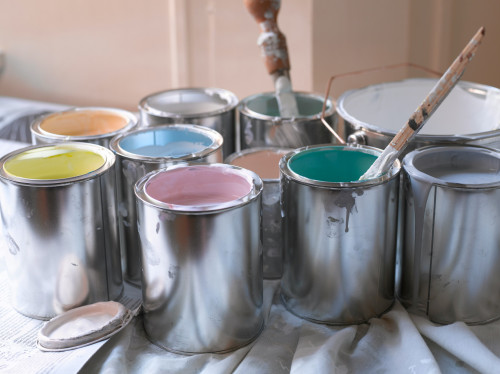
When you paint your home, you probably focus on colours, brushes, and the final look on your walls. But what happens afterwards – when brushes need cleaning and leftover paint must be disposed of – is just as important. Even small amounts of paint or cleaning water can harm the environment if they end up in drains or open water. Fortunately, there are simple ways to handle paint residues responsibly, so you can paint with a clear conscience.

Why Paint Requires Careful Handling

Paint contains chemicals that can be harmful to the environment – even those labelled as “water-based” or “eco-friendly.” Pigments, binders, and preservatives can affect aquatic life and soil quality if released into nature. That’s why neither leftover paint nor cleaning water should be poured into sinks, toilets, or open drains.

In India, where many communities depend on groundwater and local water bodies for daily use, even small amounts of paint waste can cause significant pollution. A single litre of paint-contaminated water can spoil thousands of litres of clean water. Responsible disposal is therefore not only a matter of regulation but also of protecting public health and the environment.

How to Handle Leftover Paint

When you finish painting, you often have some paint left in the container. Instead of throwing it away, you can:

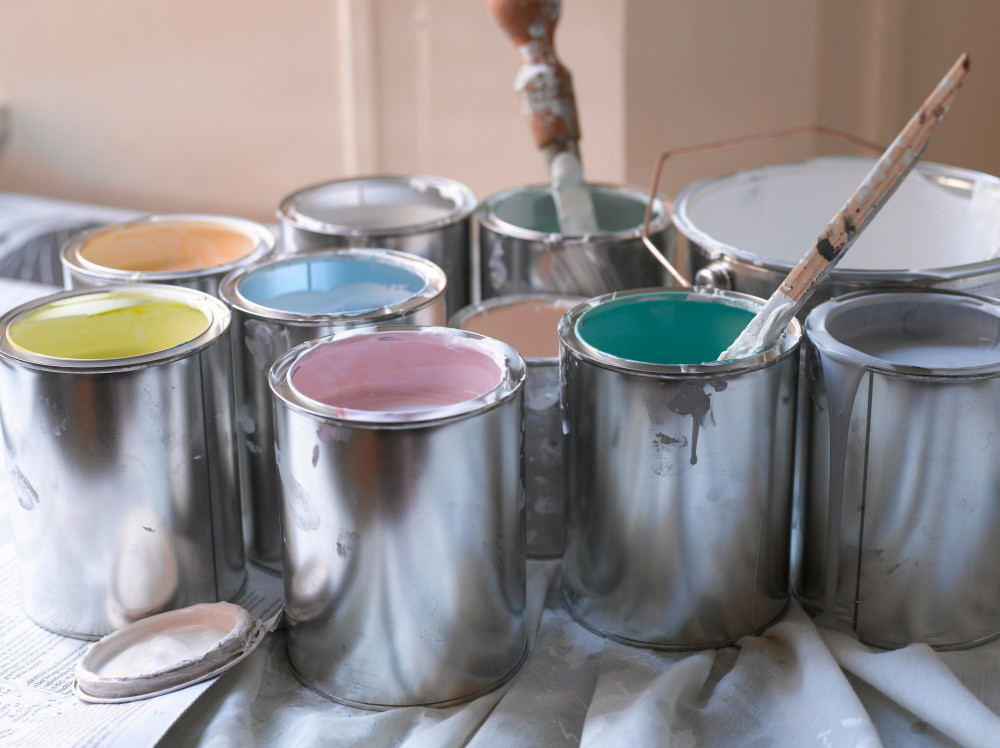
  • Store it for future use. Pour the remaining paint into a smaller, airtight container and label it with the colour and date. It will come in handy for touch-ups later.
  • Share or donate. If you have more paint than you need, offer it to neighbours, local schools, or community projects. Many NGOs and housing societies welcome such donations.
  • Dispose of it safely. Liquid paint – whether water- or oil-based – should be treated as hazardous waste. In many Indian cities, municipal corporations or private recyclers accept paint waste at designated collection points. If such facilities are not available, contact your local municipal office for guidance.

Completely dried paint residues, such as an empty and hardened container, can usually be disposed of with regular household waste. However, always check local waste management rules, as they vary from state to state.

Cleaning Brushes and Rollers

Cleaning tools after painting is often where most pollution occurs. When you rinse brushes and rollers under running water, paint residues flow directly into the drainage system. Instead, try these steps:

  1. Wipe off excess paint. Use old newspaper or a rag to remove as much paint as possible before washing.
  2. Use a bucket for cleaning. Fill a bucket with a small amount of water and rinse your brushes in it. Let the water sit until the paint settles at the bottom.
  3. Reuse the clear water. Once the paint has settled, pour off the clear water carefully and reuse it for the next cleaning.
  4. Dispose of the residue properly. The paint sludge at the bottom should be collected and handed over to a hazardous waste facility or a local recycler – never poured down the drain.

If you use oil-based paints, clean your brushes with turpentine or paint thinner. These liquids are also hazardous and must be collected and delivered to a proper disposal facility.

Good Habits That Make a Difference

Small changes in your painting routine can reduce waste and environmental impact:

  • Plan your paint quantity. Buy only what you need. Many paint shops in India can help you calculate the right amount for your project.
  • Use quality, reusable tools. Good brushes and rollers last longer and reduce waste.
  • Cover tools between sessions. If you plan to continue painting the next day, wrap brushes and rollers in plastic film instead of washing them. This saves water and cleaning agents.
  • Choose eco-labelled products. Look for paints with low volatile organic compounds (VOC) and certified eco-friendly labels. Several Indian brands now offer such options.

A Small Effort with a Big Impact

Handling paint residues and cleaning water responsibly takes only a little extra effort, but it makes a big difference. By avoiding drains and using proper disposal methods, you help protect India’s rivers, groundwater, and ecosystems. It’s a simple way to take responsibility – and a meaningful step towards a cleaner, more sustainable future.

Environmentally Friendly Management of Paint Residues and Cleaning Water
Paint responsibly and protect nature with simple, sustainable habits
Paint
Paint
Environment
Sustainability
Home Improvement
Waste Management
Eco-Friendly Tips
4 min
Learn how to manage leftover paint and cleaning water in an environmentally friendly way. With a few easy steps, you can reduce pollution, reuse materials, and make your painting projects safer for both your home and the planet.
Sunny Naik
Sunny
Naik
Paint the balcony to withstand wind and weather
Protect your balcony and keep it beautiful through every season
Paint
Paint
Balcony
Home Improvement
Outdoor Maintenance
Painting
DIY
7 min
Learn how to paint and maintain your balcony so it can resist sun, rain, and humidity. With the right preparation, paint, and care, your outdoor space will stay fresh, durable, and inviting year after year.
Sai Chatterjee
Sai
Chatterjee
Create Calm or Energy with the Right Surfaces
Transform your home’s atmosphere through thoughtful choices of colour, texture, and material
Paint
Paint
Interior Design
Home Decor
Colour Psychology
Materials
Mood Enhancement
6 min
Discover how surfaces influence mood and energy in every room. Learn how to use colours, materials, and light to create calm, focus, or vibrancy – and achieve harmony throughout your home with just a few mindful changes.
Shreelata Choudhary
Shreelata
Choudhary
Spots that keep coming back? Here’s how to get rid of them for good
Say goodbye to stubborn wall stains with these simple, lasting solutions
Paint
Paint
Home Improvement
Painting Tips
Interior Design
DIY
Wall Maintenance
7 min
Tired of spots that keep reappearing on your walls no matter how many times you paint over them? Learn how to identify the cause, treat the problem properly, and ensure a flawless finish that stays spotless for years to come.
Esha Narayan
Esha
Narayan
Paint Walls and Ceilings Without Moving All the Furniture
Refresh your home with a new coat of paint—no heavy lifting required
Paint
Paint
Home Improvement
DIY
Interior Painting
Decorating Tips
Home Makeover
7 min
Want to give your walls and ceilings a fresh look but dread moving all the furniture? Learn how to paint efficiently in a furnished room with smart preparation, the right tools, and simple techniques that keep your space protected and your results professional.
Shubham Dutta
Shubham
Dutta
Preserve the Original Wooden Floors – How to Give Them New Life During Renovation
Bring back the warmth and character of your home by restoring its original wooden floors
Style
Style
Wooden Floors
Home Renovation
Interior Design
Restoration
Flooring Care
3 min
Discover how to revive and protect your old wooden floors during renovation. Learn the best methods for assessment, sanding, finishing, and maintenance to preserve their natural beauty and historical charm—especially suited for Indian homes.
Sunny Naik
Sunny
Naik
A home that works for the whole family – every day
Create harmony at home with smart design and thoughtful organization
Style
Style
Home Design
Family Living
Interior Inspiration
Organization
Everyday Life
4 min
Discover how to design a home that supports every family member’s daily life. From flexible spaces and clever storage to cozy areas for togetherness and calm, get inspiration for creating a home that feels balanced and works beautifully for everyone.
Sai Chatterjee
Sai
Chatterjee
Flexible Kids’ Rooms with Modular Furniture
Design a playful and adaptable space that grows with your child
Style
Style
Kids Room
Modular Furniture
Interior Design
Home Decor
Family Living
6 min
Discover how modular furniture can transform kids’ rooms into flexible, functional, and inspiring spaces. Learn how to create zones for play, study, and rest while keeping style, sustainability, and practicality in mind for modern family living.
Shreelata Choudhary
Shreelata
Choudhary