Spots that keep coming back? Here’s how to get rid of them for good

Spots that keep coming back? Here’s how to get rid of them for good
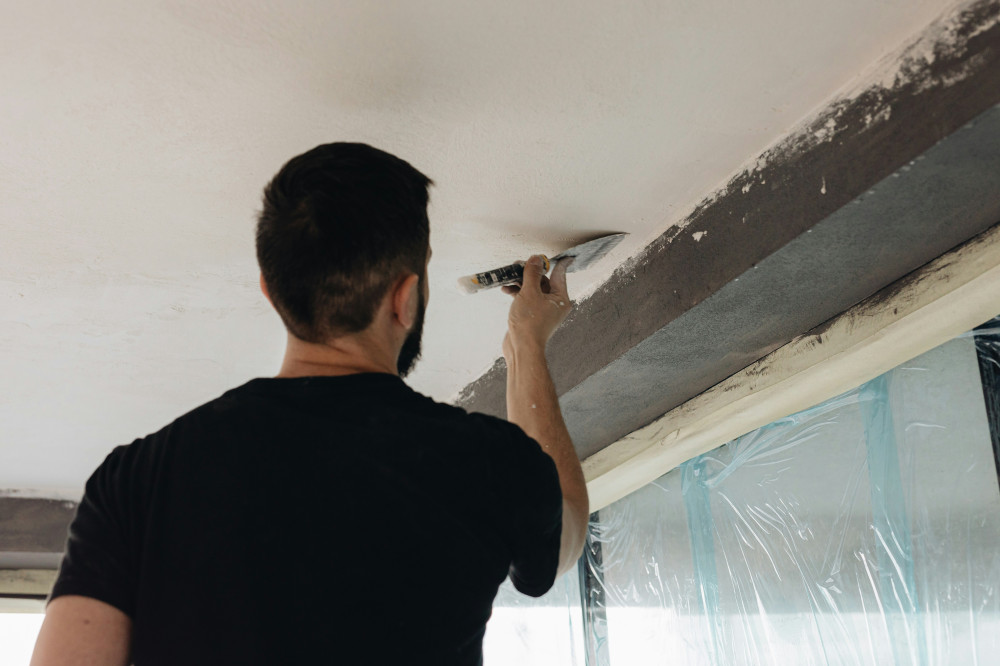
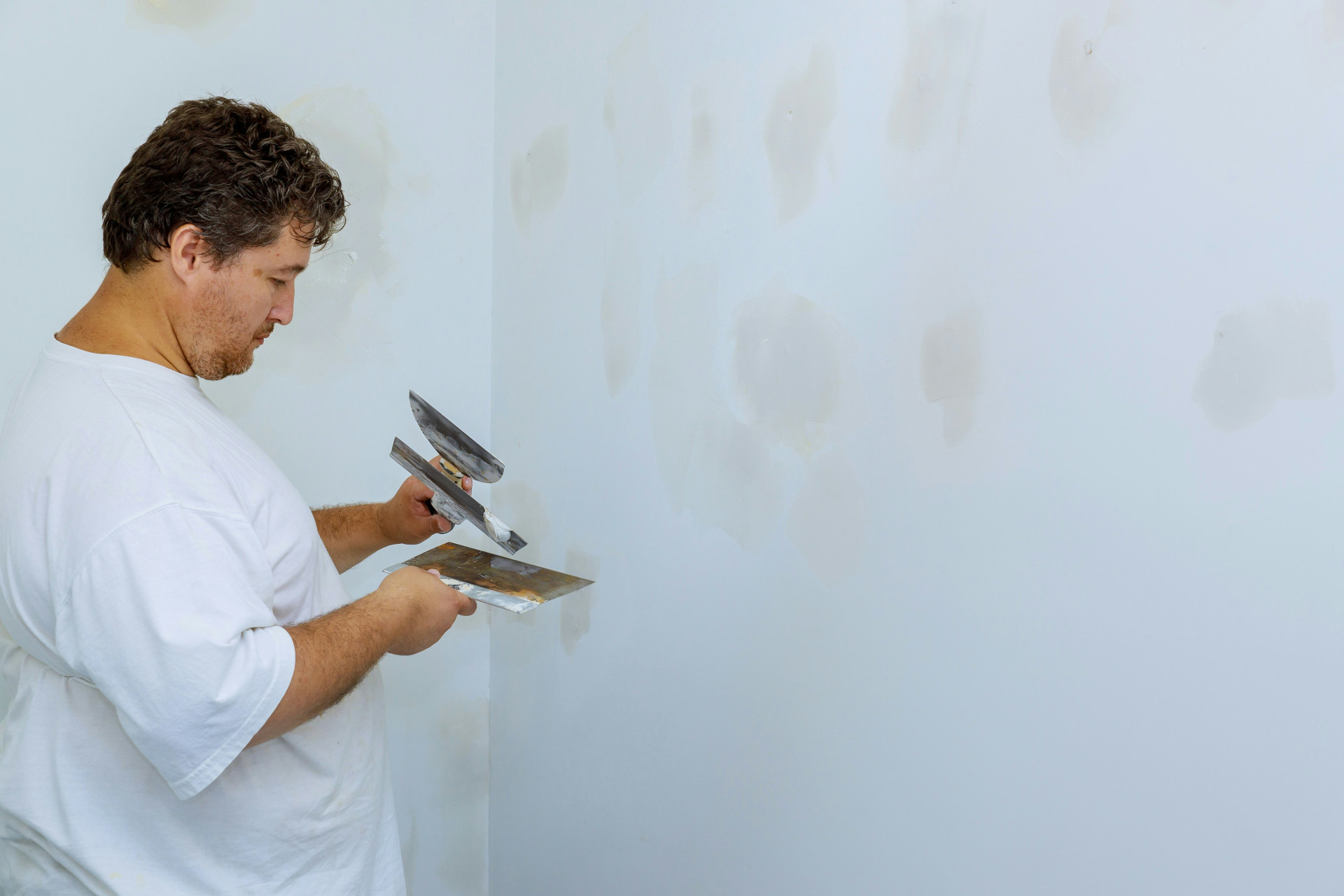
Few things can ruin the look of a freshly painted wall like a stubborn stain that reappears after just a few weeks. Whether it’s caused by dampness, rust, smoke, or old water damage, recurring spots can be frustrating. But with the right approach, you can stop them from coming back for good. Here’s a step-by-step guide to identifying the cause and finding the best solution.
Step 1: Identify what’s behind the stain
Not all stains are the same, and each type needs a different treatment. Before you start painting, take a closer look at what’s causing the discolouration.
- Damp and water stains – dark, irregular patches that may feel moist or cool to the touch. Common in Indian homes during or after the monsoon.
- Rust marks – reddish-brown spots that often appear around nails, pipes, or window grills.
- Smoke and soot – greyish or yellowish stains, especially in kitchens or near incense and oil lamps.
- Colour bleed or adhesive marks – from old wallpaper glue, markers, or wood knots.
Once you know the cause, you can choose the right treatment and avoid wasting time and paint on a fix that won’t last.
Step 2: Clean thoroughly before painting
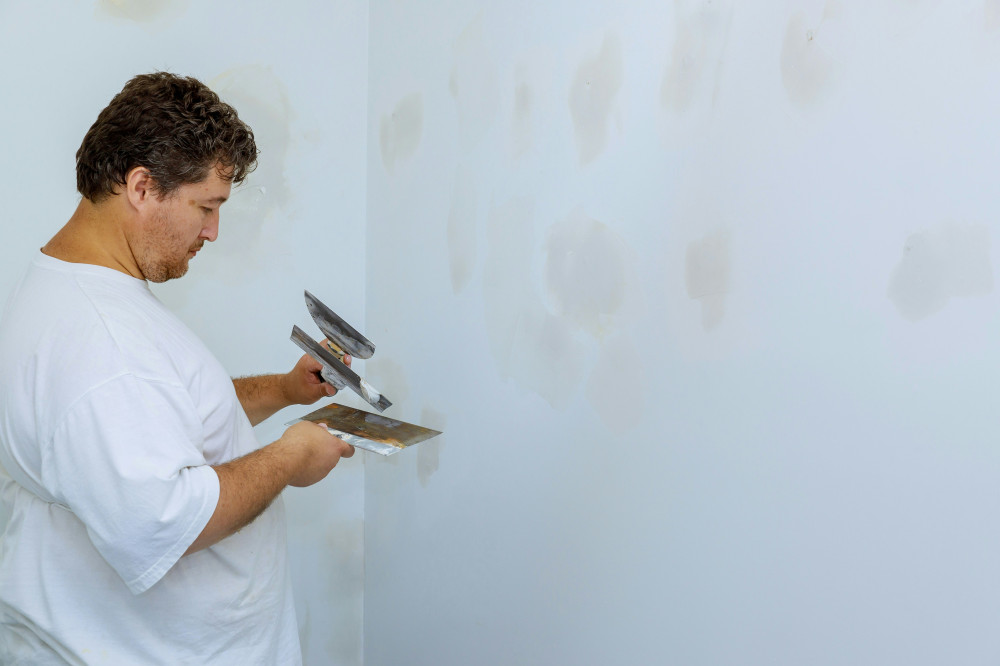
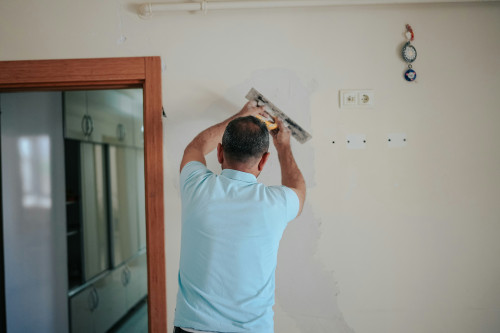
One of the biggest mistakes is painting directly over a stain. It might look fine at first, but the mark will soon show through again if the surface isn’t properly cleaned.
- Wash the area with a mild detergent or wall cleaner to remove grease, soot, and dirt. In kitchens, use a degreasing cleaner to tackle oil residue.
- Rinse with clean water and let the wall dry completely. Moisture trapped under paint can make the problem worse.
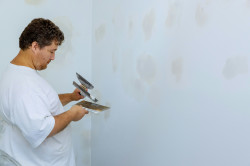
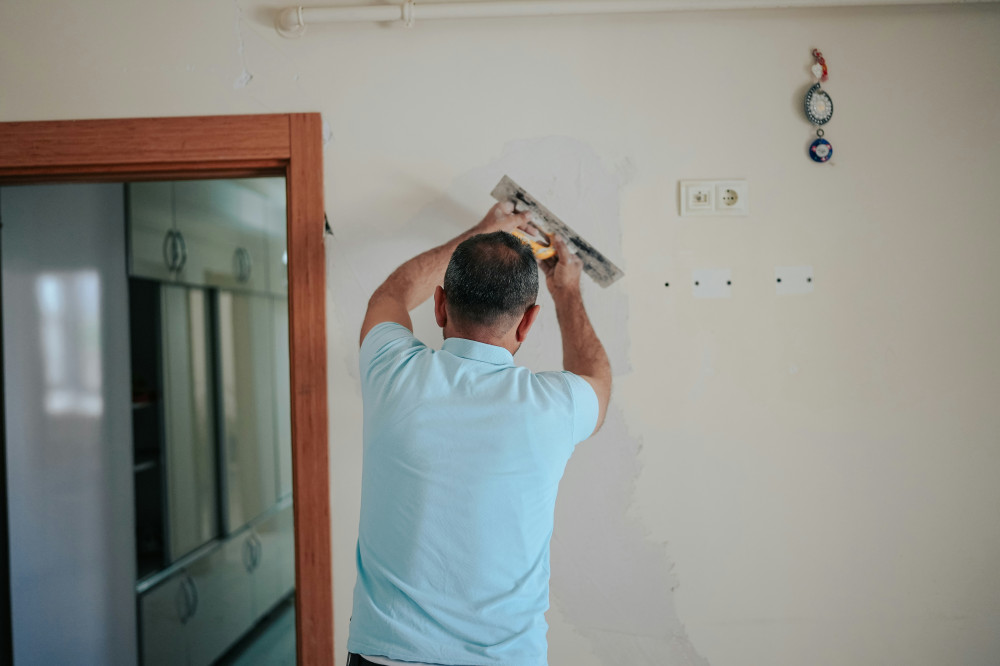
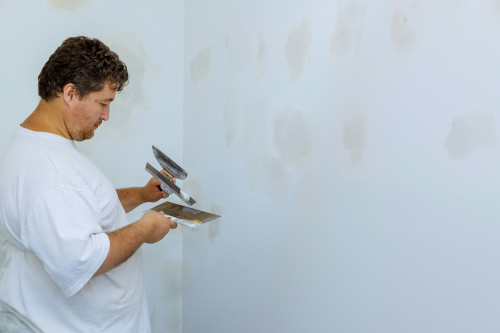
- Lightly sand the surface if it feels uneven, and wipe away dust with a dry cloth.
A clean, dry surface is essential for any primer or paint to adhere properly.
Step 3: Use a stain-blocking primer
If you want to make sure the spots don’t return, a stain-blocking primer is your best friend. It acts as a barrier that prevents stains from seeping through the new paint.
There are several types to choose from:
- Water-based primers – good for light stains like smoke or mild damp marks; they dry quickly and have low odour.
- Oil- or shellac-based primers – more effective for heavy stains such as rust, water damage, or colour bleed, but they need good ventilation.
- Anti-damp or anti-mould primers – ideal for areas affected by humidity, especially in coastal or monsoon-prone regions.
Apply the primer evenly with a brush or roller and let it dry as per the manufacturer’s instructions. For tough stains, two coats may be necessary.
Læs også:
Step 4: Paint with quality paint – and be patient
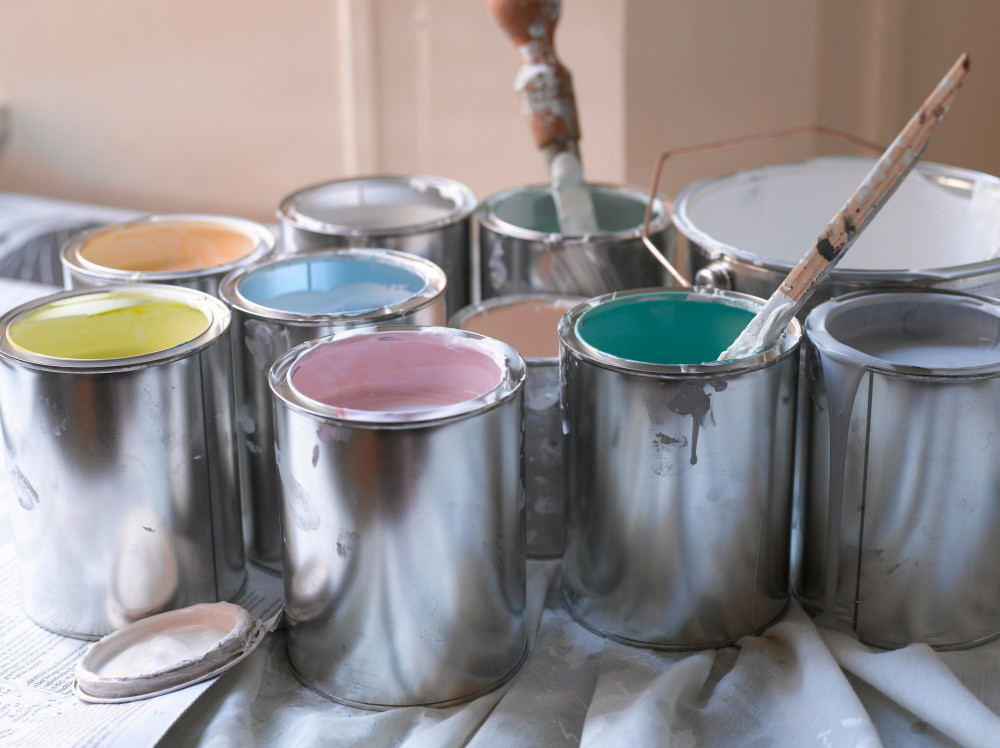
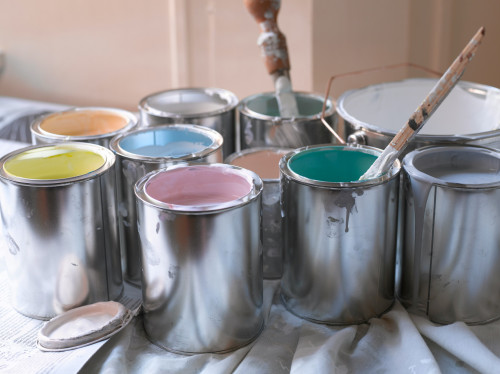
Once the primer is dry, you can paint the wall with your chosen colour. Always use high-quality paint that offers good coverage and durability. Cheaper paints may require more coats and can allow stains to reappear over time.
Apply the paint in smooth, even strokes, and let each coat dry completely before adding the next. It might take a little longer, but the result will be worth it.
Step 5: Prevent the problem from returning
Even the best paint can’t hide an ongoing issue. If the stain is caused by dampness, you’ll need to fix the source – whether it’s a leaking pipe, poor ventilation, or seepage from outside walls.
- Ensure proper ventilation, especially in bathrooms and kitchens.
- Check plumbing and roof areas for leaks.
- Use a dehumidifier or exhaust fan in rooms that stay damp.
- Consider waterproofing exterior walls if seepage is a recurring problem.
By addressing the root cause instead of just covering the symptom, you’ll keep your walls looking fresh for years.
A lasting finish you’ll love
Getting rid of stubborn spots takes a bit of extra effort, but it’s worth it. With the right cleaning, primer, and quality paint, you can enjoy spotless, beautiful walls that stay that way.
So next time you notice a stain threatening to come back, don’t just paint over it – stop it for good.
Læs også: