Paint Walls and Ceilings Without Moving All the Furniture

Paint Walls and Ceilings Without Moving All the Furniture
A fresh coat of paint can completely transform a room, but the thought of shifting every piece of furniture out can make even the most enthusiastic DIYer hesitate. The good news is that you can paint your walls and ceilings without emptying the room entirely. With a bit of planning, the right tools, and some patience, you can achieve a professional-looking finish without turning your home upside down. Here’s how to do it efficiently and safely.
Preparation: Create Space and Protect What Stays
Start by making as much space as possible. Move large furniture—like beds, sofas, or cupboards—toward the center of the room. Cover them thoroughly with plastic sheets or old bedspreads to protect them from paint splashes and dust. Smaller items, lamps, and décor pieces should be moved out of the room if possible.
Lay down drop cloths or old newspapers on the floor and tape them securely along the edges. This will protect your flooring from drips and make cleanup easier. Don’t forget to cover switchboards, skirting, and window frames with painter’s tape.
A smart approach is to work in sections: paint one wall at a time so you can shift furniture around as needed, instead of crowding everything in the middle.
Choose the Right Paint and Tools
When painting in a furnished room, it’s best to use paint that dries quickly and has low odour—especially important in India’s warm climate, where ventilation can vary. Water-based acrylic or emulsion paints are ideal: they dry fast, are easy to clean, and emit fewer fumes than oil-based paints.
Use a telescopic roller handle for ceilings to avoid climbing ladders between furniture. A good-quality brush for edges and corners, along with a roller for larger areas, will make your work faster and neater.
Painting Ceilings Without Emptying the Room
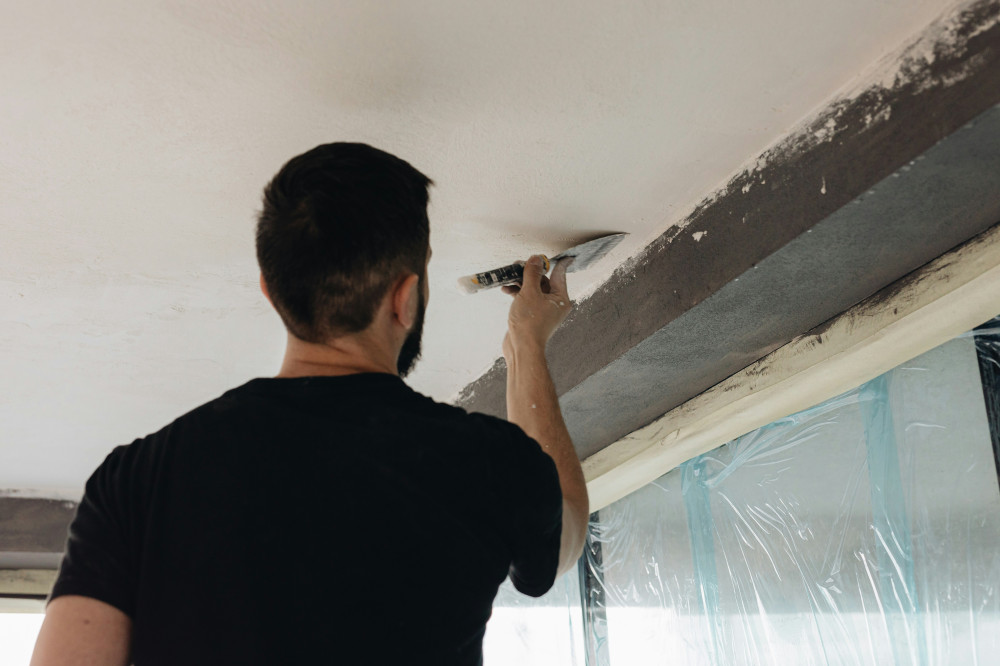
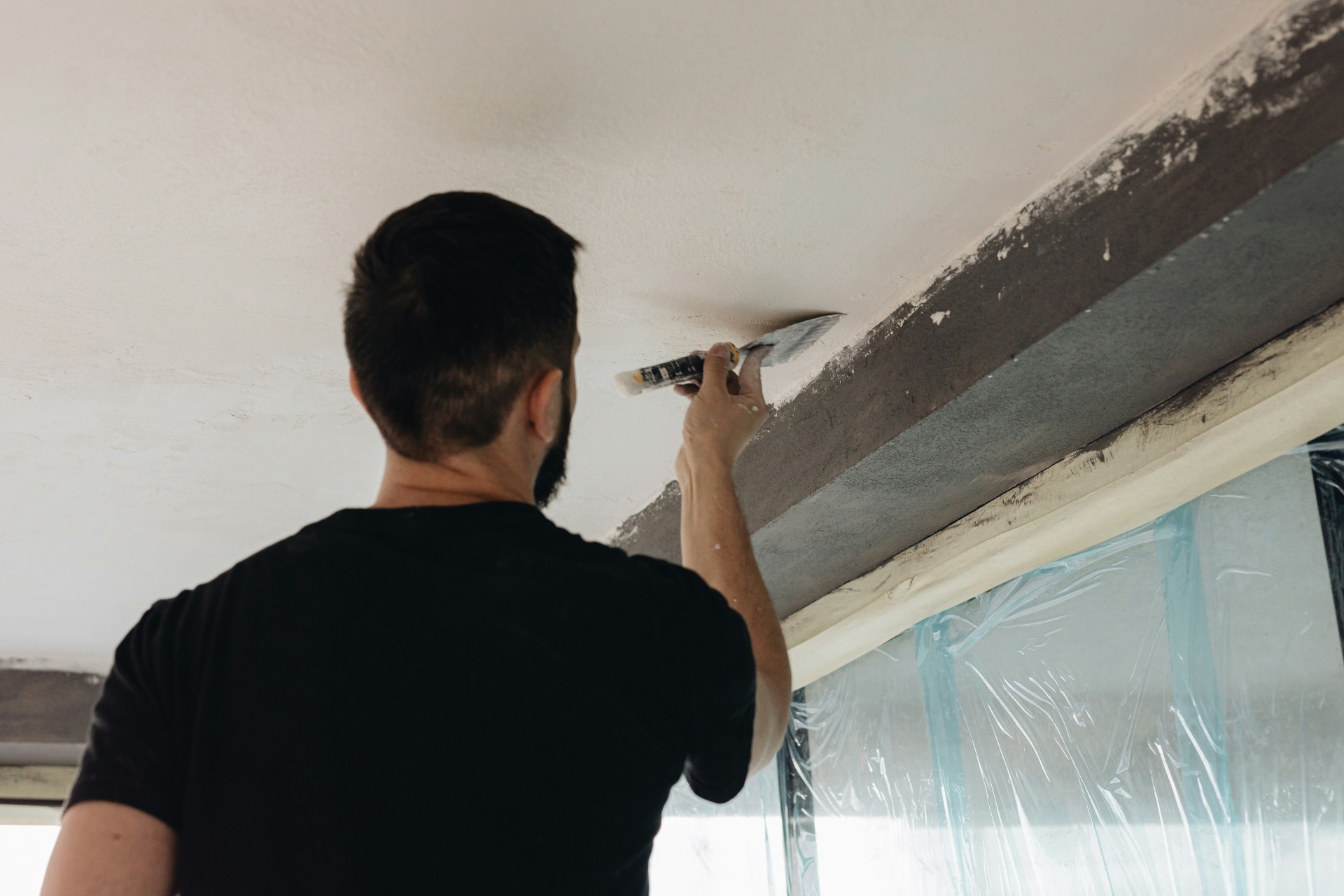
Ceilings can be tricky, but with proper protection, it’s manageable. Make sure the plastic covering your furniture is stretched tight so paint doesn’t pool in folds. Start by cutting in along the edges with a brush, then use a roller for the main surface. Work in long, even strokes, ideally in the direction of natural light from windows for a smoother finish.
If you’re painting both the ceiling and the walls, always start with the ceiling. That way, any drips won’t spoil freshly painted walls.
Paint the Walls in Stages
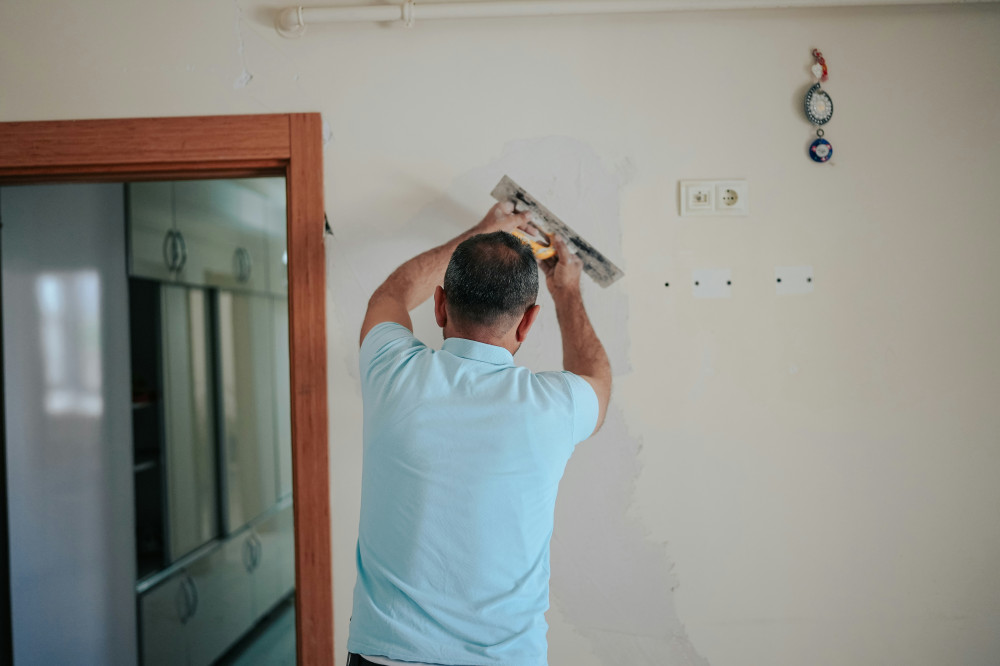
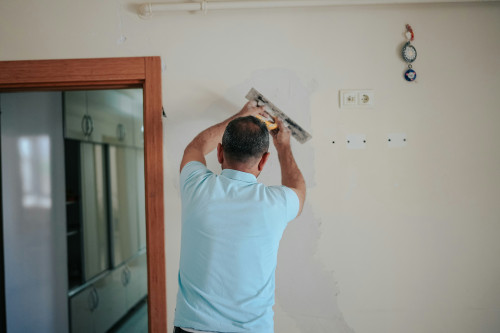
Once the ceiling is dry, move on to the walls. Shift furniture away from the wall you’re painting and cover the floor beneath it. Paint the edges first with a brush, then use a roller for the larger areas. Work methodically to avoid missing spots or painting yourself into a corner.
When one wall is done and dry, move the furniture back and start on the next. It takes a bit of coordination, but it’s far easier than clearing the entire room at once.
Ventilation and Drying Time
Even quick-drying paints need time to cure properly. Keep windows open and fans running to help air circulation—especially important in humid regions or during monsoon season. Avoid pushing furniture back against the walls for at least a couple of days to let the paint set completely.
Læs også:

Small Details That Make a Big Difference
Painting in a furnished room is all about working smart. Here are a few extra tips:
- Use furniture sliders or wheels to move heavy items easily without scratching the floor.
- Keep a damp cloth handy to wipe off any accidental splashes immediately.
- Paint during daylight hours so you can clearly see coverage and colour consistency.
- Consider paint with built-in primer to save time and reduce the number of coats needed.
- If you live in a humid area, use anti-fungal or washable paint, which helps walls stay fresh longer.
A Fresh Look Without the Hassle
Painting your walls and ceilings doesn’t have to mean turning your home into a construction zone. With careful preparation, good-quality materials, and a bit of patience, you can refresh your space without moving every piece of furniture out. The result is a bright, renewed room that feels brand new—without the stress of a full-scale move.
Læs også: