Heat Loss and Cooling – Understanding Their Connection in the Home

Heat Loss and Cooling – Understanding Their Connection in the Home
When we think about energy use in our homes, cooling often takes centre stage in India’s hot climate. But the same principles that help keep a home cool in summer also help retain warmth during cooler months or in regions with mild winters. Heat loss and cooling are two sides of the same coin – both deal with how energy moves through your home. Understanding this connection can help you create a more comfortable and energy-efficient living space all year round.
What Is Heat Loss – and Why Does It Happen?
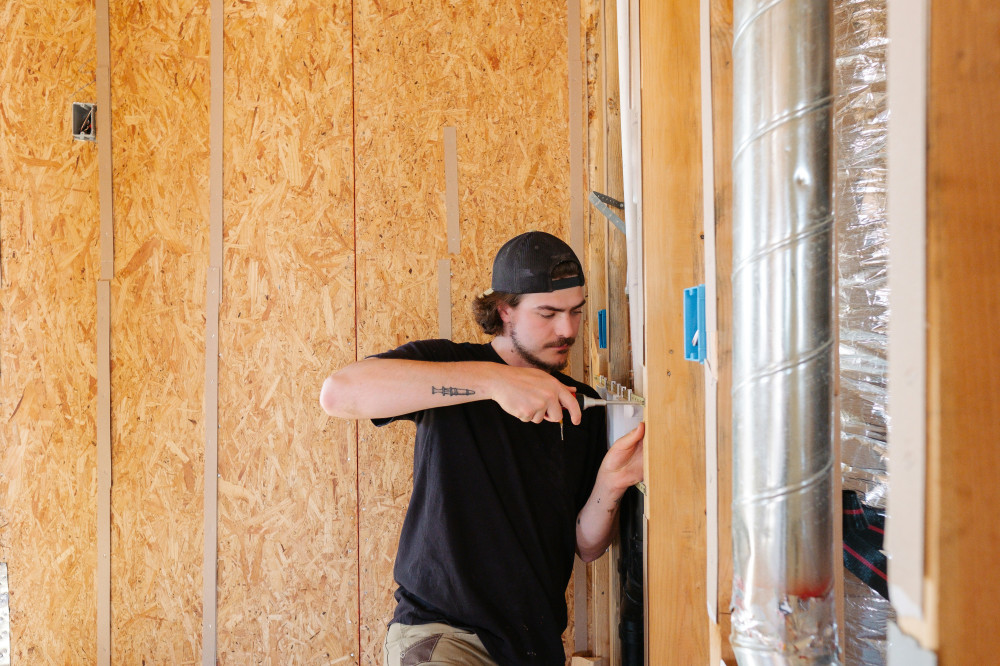
Heat loss occurs when thermal energy moves from a warmer area to a cooler one. In a home, this means that the heat inside escapes through walls, windows, roofs, and floors. In northern or hilly parts of India, where winters can be chilly, this can make homes harder to keep warm. Even in warmer regions, uncontrolled heat transfer affects comfort and energy bills.
The main culprits for heat loss are:
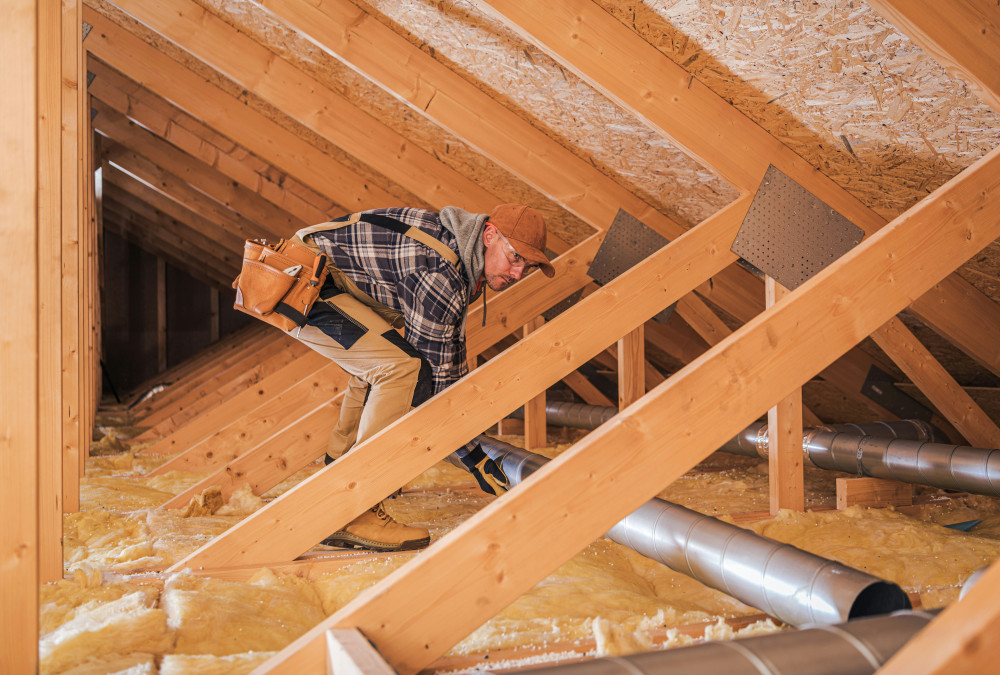
- Roofs and ceilings, where warm air naturally rises and escapes.
- Windows and doors, especially older or poorly sealed ones.
- External walls, which can allow heat to pass through if not properly insulated.
- Ventilation leaks, where gaps and cracks let conditioned air escape.
A home that loses heat easily also gains heat easily – meaning it warms up faster in summer. This is why improving insulation and sealing gaps is beneficial in every season.
When the Heat Comes In – Cooling Needs in Summer
For most Indian households, the bigger challenge is keeping the home cool. During summer, sunlight heats up roofs, walls, and interiors through windows, making indoor spaces uncomfortably hot. Air conditioners and coolers then work overtime, consuming large amounts of electricity.
However, the same measures that reduce heat loss in winter can also slow down heat gain in summer. A well-insulated home keeps outdoor heat from entering quickly, allowing indoor temperatures to remain stable for longer. This reduces the need for continuous cooling and lowers energy costs.
Insulation – The Key to Balance
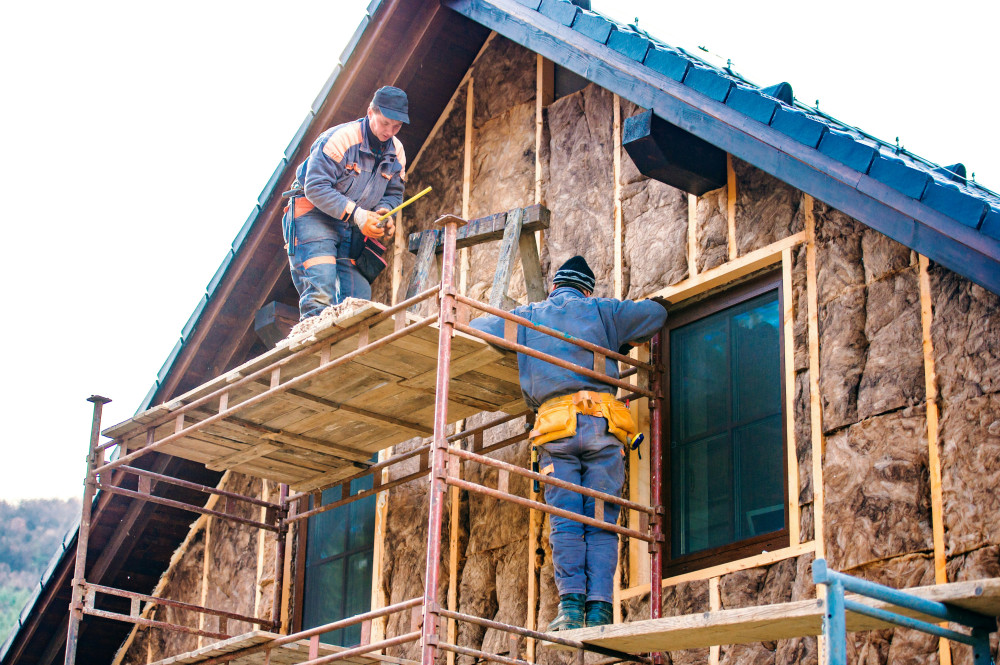
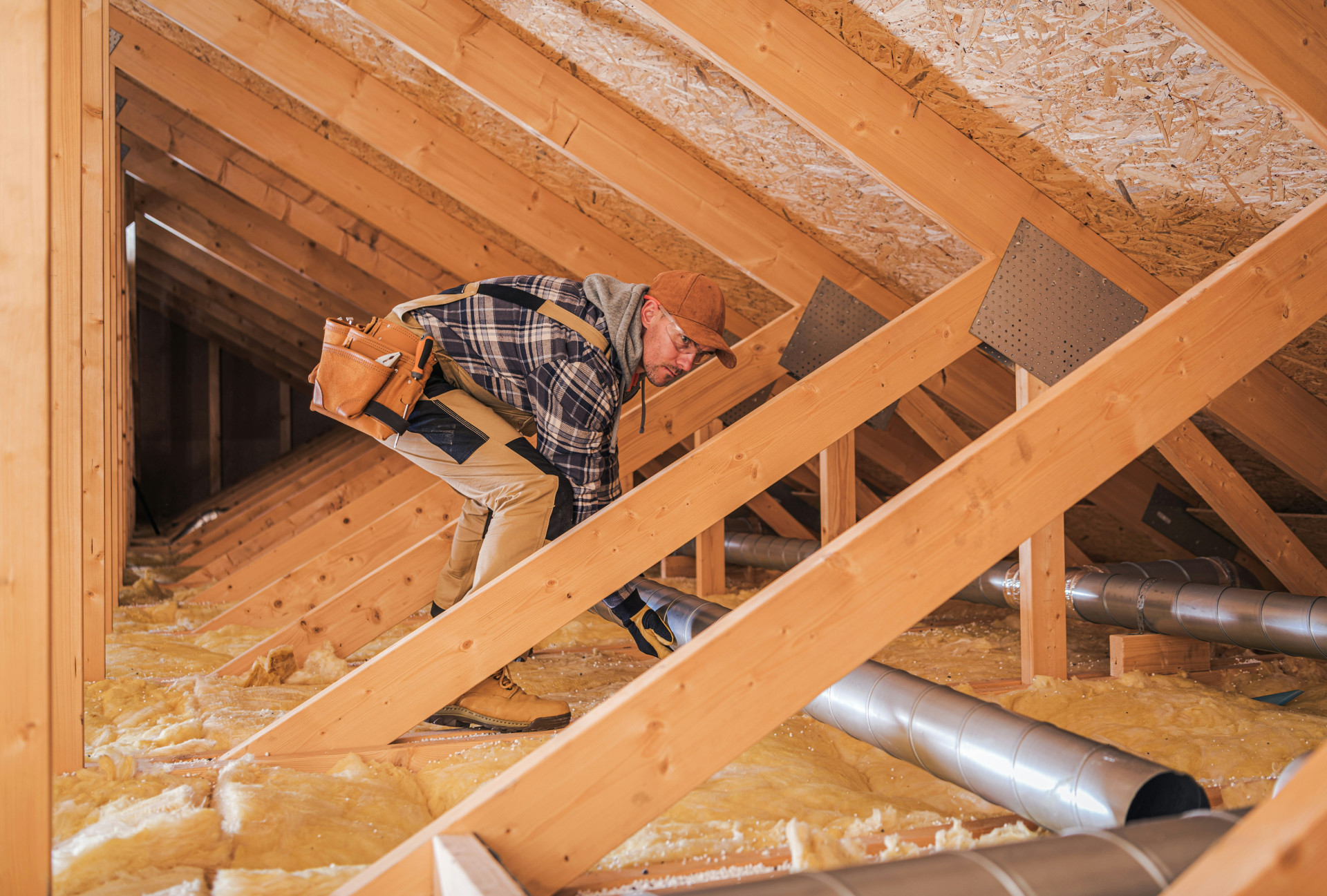
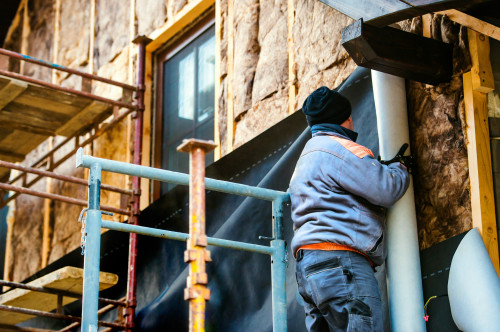
Insulation acts as a barrier that slows down the flow of heat. Whether you live in Delhi, Chennai, or Shimla, proper insulation helps maintain a comfortable indoor temperature. Materials such as mineral wool, foam boards, or reflective insulation sheets are commonly used in Indian homes.
Here’s how to approach it:
- Roof insulation is crucial, as roofs receive the most direct sunlight. Reflective coatings or insulated panels can make a big difference.
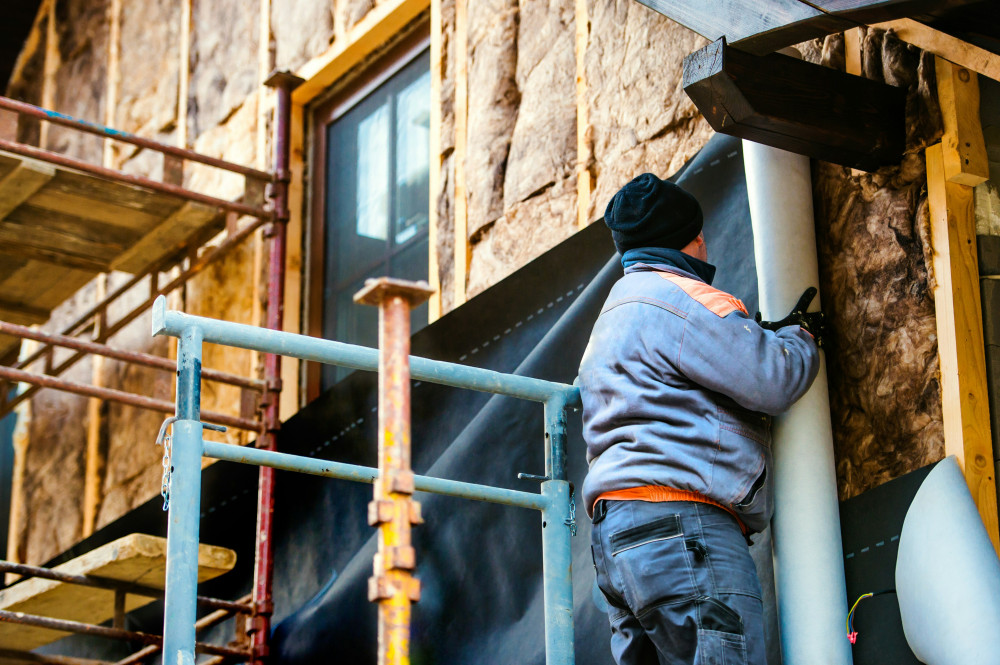
- Wall insulation can be added externally or internally, depending on the building type.
- Energy-efficient windows with double glazing or reflective films reduce both heat loss and solar gain.
- Sealing gaps and cracks around doors and windows prevents unwanted air exchange.
With good insulation, your home becomes more resistant to both heat and cold, reducing the need for mechanical heating or cooling.
Ventilation and Shading – The Overlooked Essentials
Even a well-insulated home needs fresh air. Proper ventilation helps remove excess heat and humidity, especially in coastal or humid regions. Cross-ventilation – allowing air to flow naturally through windows on opposite sides – is a simple and effective method.
Shading is another powerful tool. External shades, bamboo blinds, verandas, or even strategically planted trees can block direct sunlight before it enters your home. It’s far more efficient to prevent heat from entering than to cool it down afterward.
The Connection Between Heat Loss and Cooling
At first glance, heat loss and cooling seem like opposite issues. In reality, they both involve controlling how energy moves through your home’s envelope. A house that loses little heat in winter will also gain less heat in summer. This means lower energy consumption, reduced strain on air conditioners, and a more stable indoor climate.
By thinking holistically – combining insulation, ventilation, shading, and airtightness – you can create a home that stays comfortable and efficient throughout the year.
Læs også:

A Home in Harmony
Understanding the link between heat loss and cooling isn’t just about technology; it’s about comfort, sustainability, and smart living. Reducing unwanted heat transfer saves energy, lowers electricity bills, and cuts carbon emissions. Most importantly, it creates a home that feels naturally pleasant – cool in summer, warm in winter, and balanced all year round.
In a country where temperatures can swing from Himalayan cold to tropical heat, building homes that work with the climate, not against it, is the smartest investment of all.
Læs også: