Precise Energy Renovation with Advanced Technology


Precise Energy Renovation with Advanced Technology
Energy renovation has become a cornerstone of sustainable development, and in recent years, advanced technologies have made it possible to approach it with far greater precision and efficiency. Where once energy upgrades relied on assumptions and general guidelines, today’s tools allow engineers, architects, and homeowners to map a building’s energy performance with remarkable accuracy. This shift is particularly relevant in India, where rapid urbanization and rising energy demand make efficient building management a national priority.
Data as the Foundation for Smarter Decisions
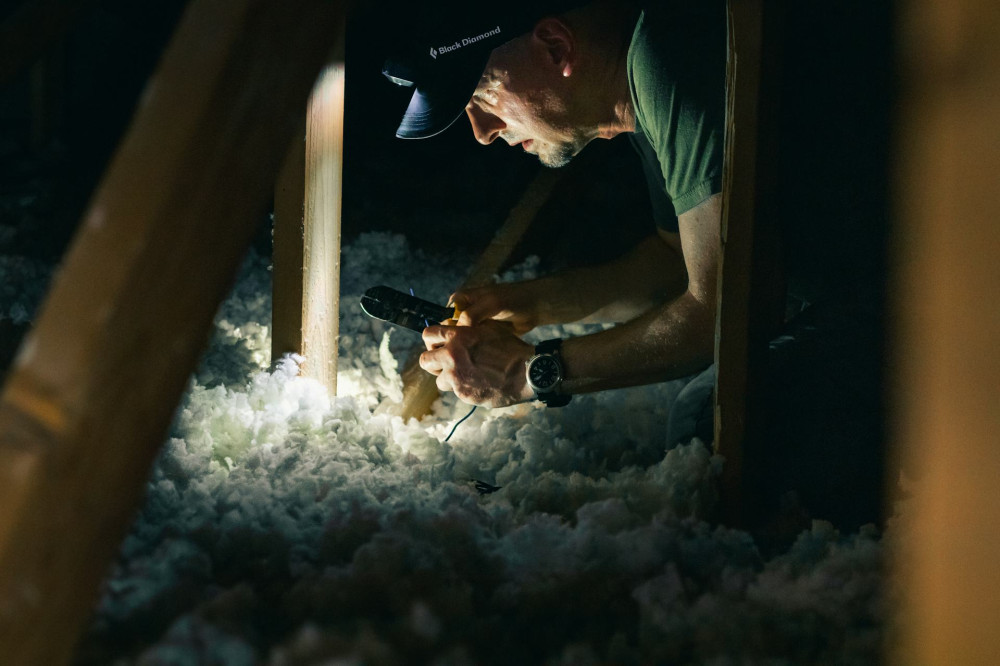
Modern energy renovation begins not with construction materials, but with data. Using thermal imaging cameras, 3D laser scanning, and smart sensors that measure temperature, humidity, and air movement, professionals can create a detailed digital profile of a building’s energy behavior.
These insights reveal exactly where heat escapes, where insulation is weak, and where ventilation systems underperform. This data-driven approach allows renovation efforts to be targeted where they will have the greatest impact—saving both energy and money. In India’s diverse climate zones, from humid coastal cities to dry inland regions, such precision ensures that solutions are tailored to local conditions rather than relying on one-size-fits-all methods.
Artificial Intelligence and Digital Twins
One of the most transformative innovations in energy renovation is the use of digital twins—virtual replicas of buildings that are continuously updated with real-time data. When combined with artificial intelligence (AI), these models can simulate how different renovation strategies will affect energy consumption before any physical work begins.
For example, AI algorithms can estimate the energy savings from replacing old windows, improving insulation, or installing solar panels, while also considering factors such as building age, materials, and occupancy patterns. This predictive capability helps property owners and developers make informed decisions and avoid costly mistakes—a crucial advantage in India’s fast-growing real estate sector.
Læs også:

From Data to Craftsmanship
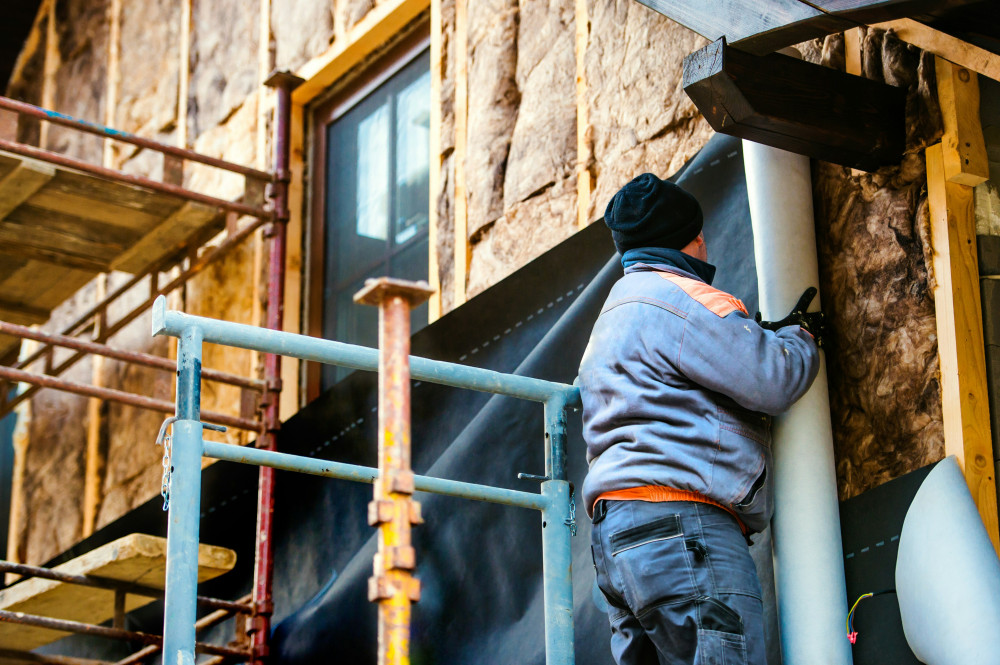
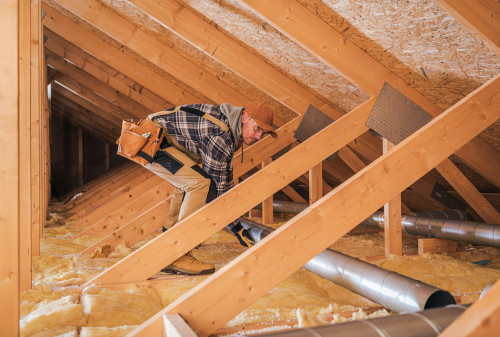
Technology alone cannot deliver successful energy renovation. It must be paired with skilled craftsmanship and an understanding of how buildings function in practice. When data identifies a heat loss area, it still takes professional judgment to decide whether to insulate, seal, or replace materials.
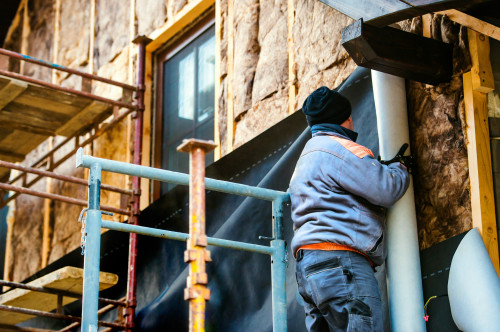
On construction sites across India, more contractors are now using digital tools and mobile apps to access building models and sensor data directly. This integration improves coordination between architects, engineers, and workers, ensuring that every step of the renovation process follows the plan precisely and efficiently.
Sustainability and Affordability Hand in Hand
Precise energy renovation is not only about saving energy—it is also about using resources wisely. By focusing efforts where they matter most, unnecessary material use and waste are minimized. Moreover, the measurable results of such renovations can increase property value and make it easier to access green financing or government incentives for energy efficiency.
For homeowners, this means lower electricity bills and more comfortable living spaces. For India as a whole, it means reduced carbon emissions, less strain on the power grid, and progress toward national sustainability goals such as those outlined in the Energy Conservation Building Code (ECBC) and India’s Net Zero 2070 vision.
The Future of Energy Renovation is Intelligent
The pace of innovation is accelerating. Sensors are becoming more affordable, software more intuitive, and collaboration between the construction and technology sectors stronger. In the near future, many buildings will be able to monitor their own energy performance and automatically suggest improvements.
This evolution means that energy renovation will no longer be a one-time project but a continuous process of optimization. Buildings will adapt dynamically to changing conditions, ensuring long-term efficiency and comfort.
Precise energy renovation with advanced technology is therefore more than a technical upgrade—it represents a new way of thinking about sustainability, economy, and quality of life. In India’s journey toward a greener and more energy-efficient future, it begins with knowledge, data, and the intelligent use of technology.
Læs også: