Subsidies for Insulation as Part of Your Energy Plan

Subsidies for Insulation as Part of Your Energy Plan
When you plan to make your home more energy-efficient, insulation is one of the most effective places to start. A well-insulated home stays cooler during India’s hot summers and warmer during the cooler months, which improves comfort and reduces electricity bills. What many homeowners don’t realize is that there are various government schemes and incentives that can make this investment more affordable. Here’s an overview of how insulation subsidies can become an important part of your overall energy plan.
Why Insulation Is Key to Energy Savings
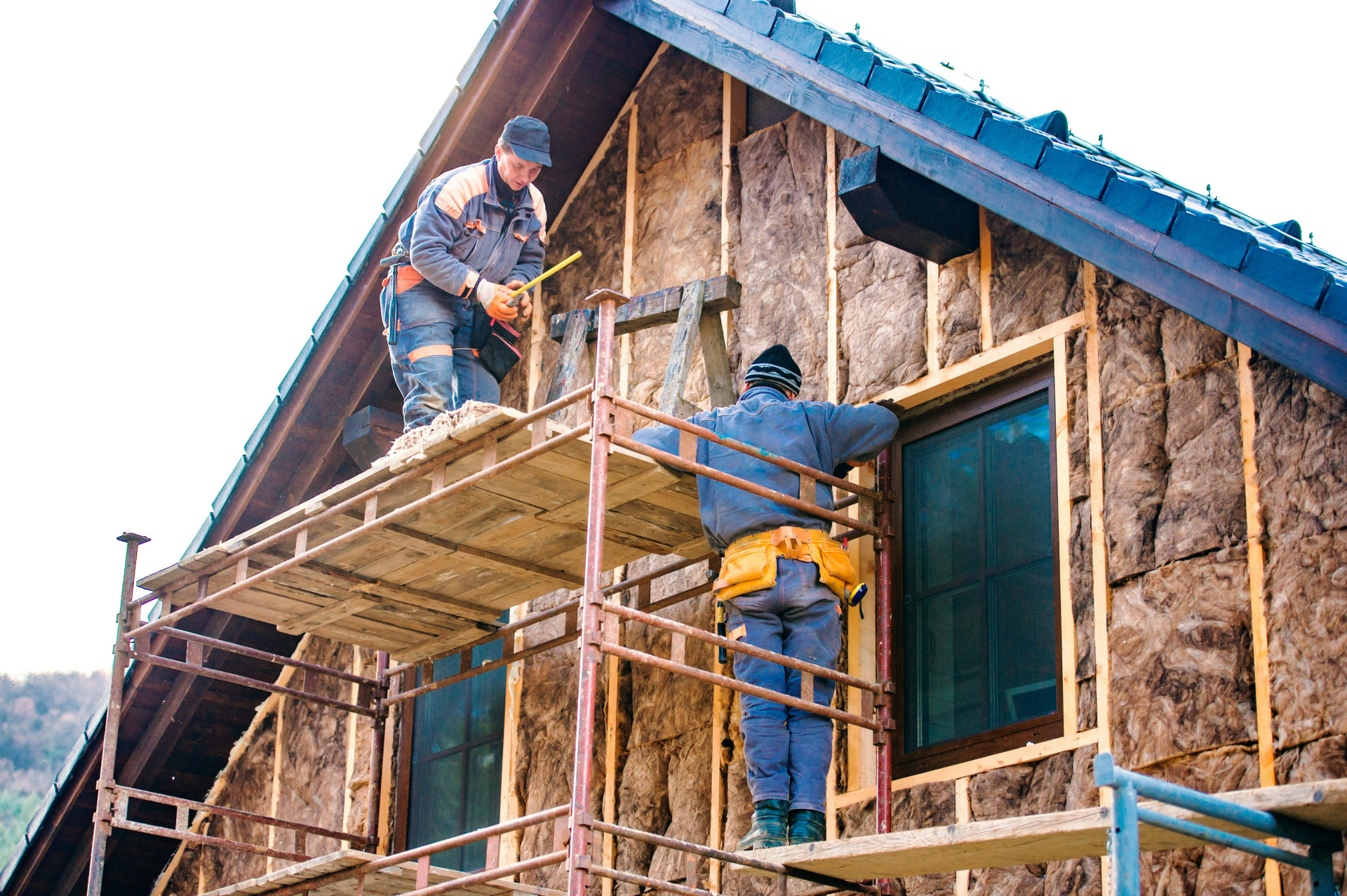
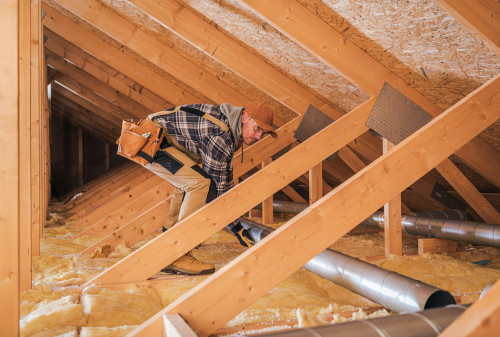
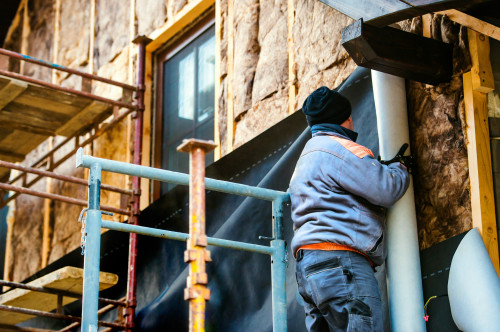
Insulation works by reducing heat transfer between the inside and outside of your home. In many Indian homes, especially older ones, a large portion of cooling energy is lost through roofs, walls, and windows. This means your air conditioner or fan has to work harder to maintain a comfortable temperature, leading to higher energy consumption and costs.
By improving insulation, you can:
- Reduce electricity use and lower your monthly energy bills.
- Improve indoor comfort, keeping your home cooler in summer and warmer in winter.
- Increase property value, as energy-efficient homes are becoming more desirable.
Insulation is therefore not just an expense—it’s an investment that pays off over time, especially when combined with available subsidies.
Læs også:
What Subsidy Options Are Available?
India has several national and state-level programs that support energy efficiency improvements, including insulation. Some of the most relevant options include:
- Energy Efficiency Financing under the Bureau of Energy Efficiency (BEE) – BEE promotes energy-efficient building design through the Energy Conservation Building Code (ECBC). Some states offer incentives for ECBC-compliant construction or retrofitting, which can include insulation improvements.
- State Renewable Energy Development Agencies (SREDAs) – Many states, such as Maharashtra, Gujarat, and Tamil Nadu, have their own energy efficiency or green building programs that may provide financial support or rebates for insulation and other energy-saving measures.
- Green Building Certification Incentives – Cities like Pune, Hyderabad, and Bengaluru offer property tax rebates or fast-track approvals for buildings certified under green rating systems such as GRIHA or IGBC, where insulation is a key component.
- Bank and NBFC Green Loans – Some financial institutions offer low-interest loans for energy-efficient home upgrades, including insulation, under green finance initiatives.
It’s important to check the latest guidelines and eligibility criteria, as these programs can vary by state and may change over time.
How to Apply for Subsidies
Applying for subsidies or incentives requires some preparation, but the process can be straightforward if you follow a few key steps:
- Get an energy assessment – Consult a certified energy auditor or building professional to identify where insulation will have the greatest impact.
- Prepare a project plan and cost estimate – You’ll need documentation of the proposed work, materials, and expected savings.
- Apply before starting the work – Most schemes require approval before installation begins.
- Keep all records – Save invoices, photos, and reports to claim the subsidy or loan disbursement later.
Working with a contractor experienced in energy efficiency projects can help ensure your application meets all technical and administrative requirements.
Combine Insulation with Other Energy Measures
Insulation works best as part of a broader energy strategy. When planning your upgrades, consider combining insulation with other improvements:
- Replace old windows with energy-efficient glazing to reduce heat gain.
- Install solar reflective roofing materials to minimize heat absorption.
- Add rooftop solar panels to generate your own clean electricity.
- Upgrade to energy-efficient appliances and lighting to further cut energy use.
By integrating multiple measures, you can achieve greater savings and may qualify for additional incentives under comprehensive energy efficiency programs.
When Does It Pay Off?
Although insulation requires an upfront investment, the payback period is often short—typically between 3 and 6 years, depending on your local climate, energy prices, and the type of insulation used. With subsidies or low-interest financing, the return on investment becomes even more attractive.
Prioritize areas with the highest heat gain or loss, such as the roof and external walls. An energy professional can help you calculate where your money will have the greatest impact.
A Greener and More Comfortable Home
Including insulation subsidies in your energy plan is not just about saving money today—it’s about building a sustainable future. Better insulation reduces your carbon footprint, enhances comfort, and increases your home’s value. With the right combination of government support, smart planning, and quality materials, you can make your home both energy-efficient and environmentally responsible.
Læs også: