How Often Should the Drain Be Cleaned?

How Often Should the Drain Be Cleaned?
Most of us rarely think about the drains in our homes—until something goes wrong. A clogged or poorly maintained drain can quickly lead to unpleasant odours, slow water flow, or even flooding. Regular cleaning and maintenance can prevent these issues and save you from costly repairs later. Here’s a practical guide for Indian households on how often drains should be cleaned and what you can do to keep them in good condition.
Why Drain Cleaning Matters
Drains carry wastewater away from your home, and they work efficiently only when the pipes are free from grease, soap residue, hair, and other debris. Over time, these materials can build up and restrict water flow. In India, where cooking often involves oil and spices, and where dust and hair can easily enter bathroom drains, the risk of blockage is even higher. Neglecting drain maintenance can lead to:
- Slow drainage – water takes longer to flow out of sinks, bathrooms, or kitchen areas.
- Bad odours – decomposing waste and bacteria can cause unpleasant smells.
- Backflow or flooding – especially during monsoon season, when heavy rain puts extra pressure on the drainage system.
- Pipe damage – accumulated debris can cause cracks or leaks over time.
Regular cleaning is therefore not just about convenience—it’s about protecting your home from water damage and maintaining hygiene.
How Often Should You Clean the Drain?
There’s no single rule that fits every home. The frequency depends on factors such as the age of your plumbing, the number of people in your household, and how much cooking or washing you do. As a general guideline:
- Urban apartments: every 1–2 years.
- Independent houses or older buildings: once a year, or more often if you notice slow drainage.
- Homes surrounded by trees: every 6–12 months, as leaves and roots can enter outdoor drains.
- Restaurants or food businesses: at least twice a year, due to heavy grease and waste buildup.
If you experience frequent clogs or foul smells, it’s a sign that your drains need more regular attention. A professional plumber can inspect your system and recommend a suitable cleaning schedule.
Signs That Your Drain Needs Cleaning
You don’t have to wait for a major blockage to act. Watch out for these early warning signs:
- Water drains slowly from sinks, showers, or toilets.
- Gurgling sounds come from the pipes.
- Persistent odours near kitchen or bathroom drains.
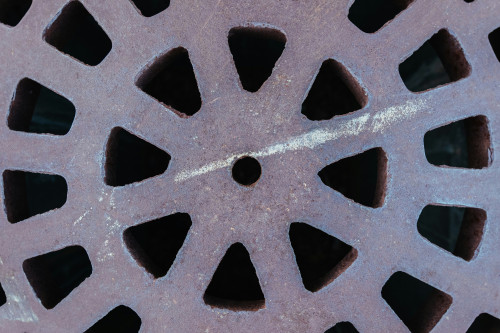
- Water pooling around outdoor drain covers or manholes.
Addressing these issues early can prevent bigger problems and reduce repair costs.
Læs også:
Preventive Care: What You Can Do
While professional cleaning is necessary from time to time, you can take simple steps to keep your drains clear:
- Avoid pouring oil or grease down the sink. Let it cool and dispose of it in the trash instead.
- Use drain strainers. They catch hair, food scraps, and other debris before they enter the pipes.
- Flush drains with hot water weekly. This helps dissolve soap and grease buildup.
- Dispose of waste properly. Do not flush sanitary products, wipes, or cotton buds down the toilet.
- Clean outdoor drains regularly. Remove leaves, mud, and plastic waste, especially before the monsoon.
These small habits can significantly extend the life of your drainage system.
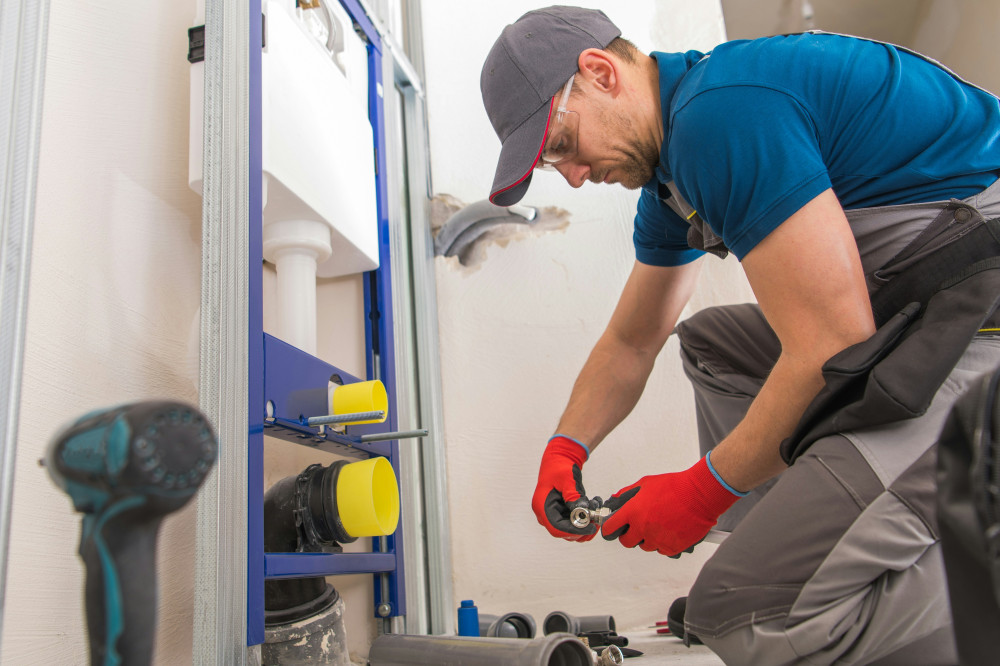
Professional Drain Cleaning – What to Expect
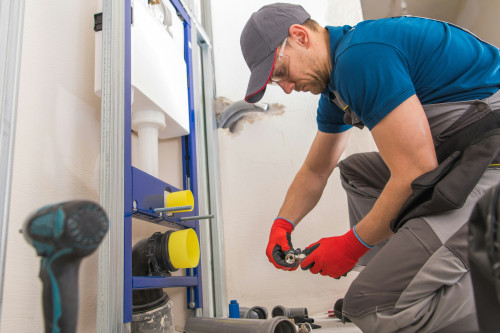
When you hire a professional, they typically use high-pressure water jetting to remove blockages and buildup inside the pipes. In some cases, they may perform a CCTV inspection, where a small camera is inserted into the drain to check for cracks, root intrusion, or hidden clogs. After cleaning, you may receive a report or video showing the condition of your pipes, which helps plan future maintenance.
A Smart Investment in Home Hygiene
Regular drain cleaning might seem like an extra expense, but it’s a wise investment in your home’s health and comfort. Preventive maintenance costs far less than emergency repairs caused by flooding or pipe damage.
By combining good daily habits with professional cleaning every year or two, you can keep your drains flowing smoothly—and ensure a cleaner, safer, and more comfortable home for years to come.
Læs også: