Proper Sewer Work for Home Extensions – How to Ensure Everything Is Legal

Proper Sewer Work for Home Extensions – How to Ensure Everything Is Legal
When you plan a home extension in India—whether it’s an extra bathroom, a new kitchen, or an additional floor—sewer and drainage work is one of the most crucial yet often overlooked aspects of the project. Poorly executed sewer connections can lead to leaks, foul odours, waterlogging, and even legal issues with your local municipal authority. Here’s how to make sure your sewer work is done correctly, safely, and in full compliance with Indian regulations.
Sewer Work Requires Licensed Professionals
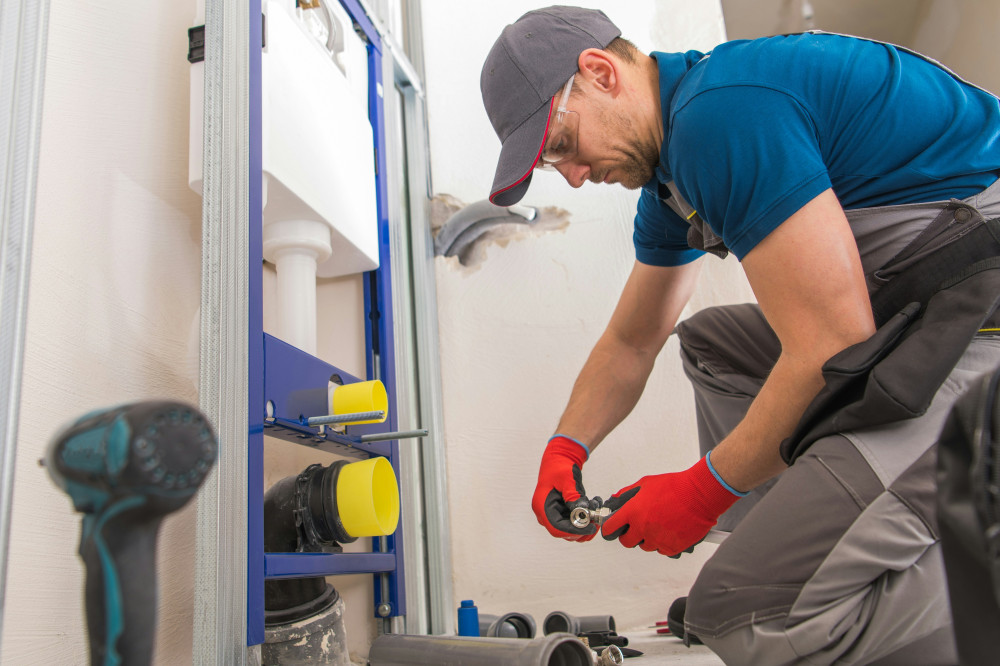
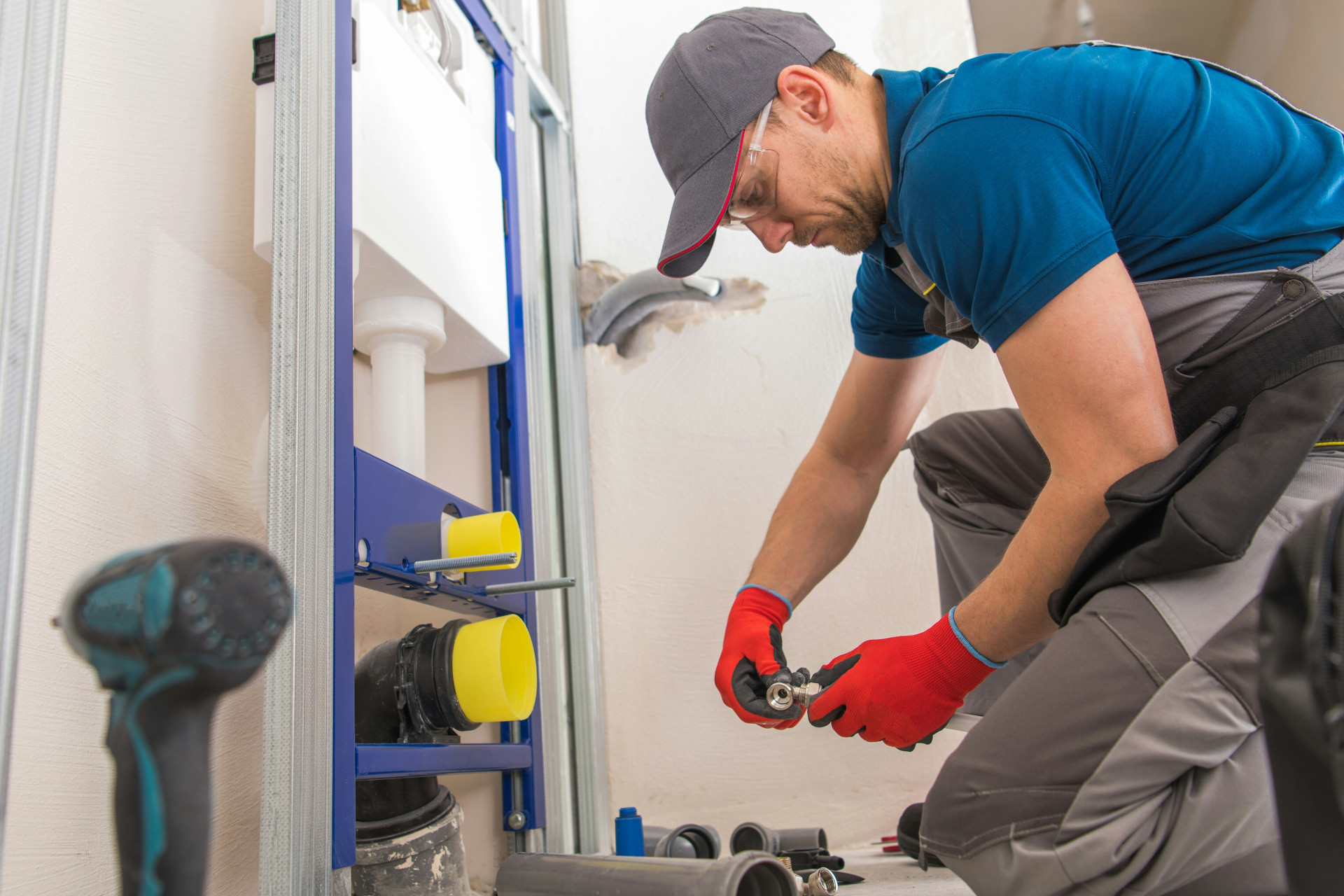
The first thing to understand is that sewer and drainage work is not a do-it-yourself task. In India, only licensed plumbers or contractors registered with the local municipal body are permitted to carry out sewer connections or modifications that link to the public drainage system. This includes installing new pipelines, connecting toilets or sinks, or altering existing sewer lines.
Unlicensed work can result in contamination, blockages, or damage to public infrastructure—and may also attract penalties from your local authority. Always hire a certified plumber or contractor who understands the local building codes and sanitation standards.
Building Permits and Approvals
Before starting your home extension, you must obtain the necessary building plan approval from your local municipal corporation or development authority. The sewer layout is an essential part of this plan. It should show how wastewater and rainwater will be managed and connected to the existing system.
In most cities, such as Delhi, Mumbai, or Bengaluru, the Public Health Engineering Department (PHED) or the Municipal Sewerage Department must approve the sewer connection. After the work is completed, the contractor may need to submit a completion certificate or inspection report confirming that the installation meets all technical and safety standards.
Keep copies of all permits, drawings, and certificates. These documents are vital for future property transactions and for proving that your extension complies with local laws.
Common Sewer Tasks in Home Extensions
The type of sewer work required depends on the nature of your extension. Some of the most common tasks include:
- Installing new drainage lines for bathrooms, kitchens, or utility areas.
- Relocating existing sewer pipes if the new structure overlaps with old lines.
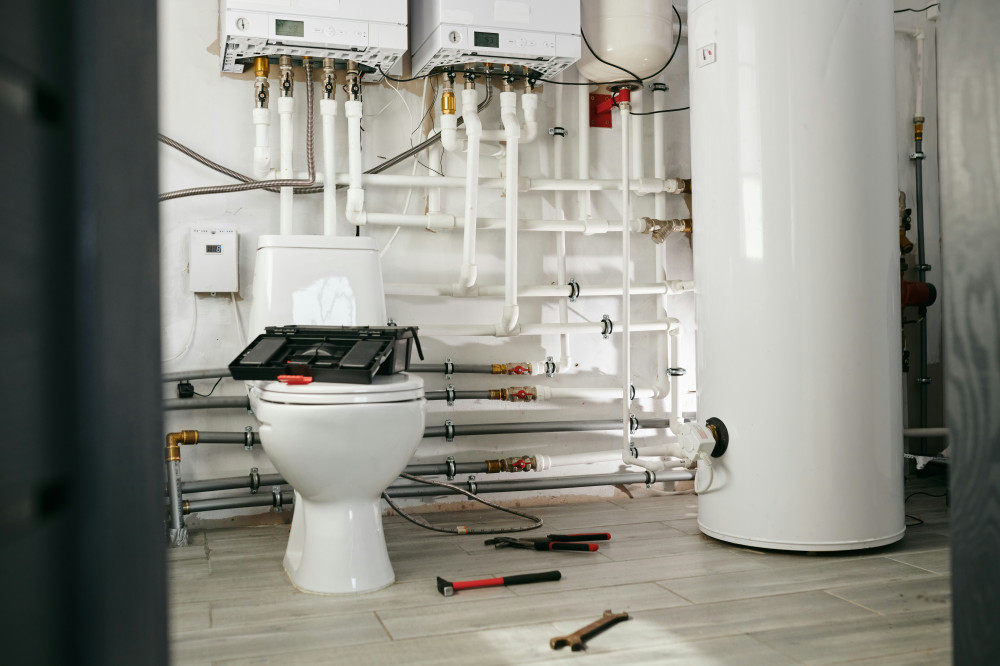
- Rainwater management, including connecting roof gutters and downpipes to stormwater drains or soak pits.
- Inspection chambers and manholes to allow easy maintenance and cleaning.
- Backflow prevention systems, especially if your property is in a low-lying area prone to flooding.
A qualified plumber or civil engineer can help design a system that suits your site conditions and complies with the National Building Code of India (NBC) and local bylaws.
Avoiding Common Mistakes
Many homeowners face problems because sewer work was done hastily or without proper supervision. Here are some frequent mistakes—and how to avoid them:
- Incorrect pipe slope – If pipes don’t have the right gradient, wastewater won’t flow properly, leading to blockages.
- Poor-quality materials – Using substandard pipes or joints can cause leaks and contamination.
- Lack of ventilation – Without proper venting, sewer gases can escape into living spaces.
- Unapproved connections – Illegal connections to public drains can result in fines or disconnection notices.
To avoid these issues, always insist on quality materials, professional supervision, and official inspection before closing up the work.
Læs også:


Plan for Long-Term Maintenance
Even a well-built sewer system needs occasional maintenance. Ensure that inspection chambers and manholes are easily accessible for cleaning. In areas with heavy rainfall or poor drainage, consider installing non-return valves or sump pumps to prevent backflow during monsoon flooding.
It’s also wise to schedule a CCTV inspection of the sewer lines after installation. This provides visual proof that the system is clear, properly aligned, and free from leaks—useful documentation for both you and future buyers.
Coordination Between Professionals
Sewer work is closely linked to other parts of construction, such as foundations, plumbing, and rainwater harvesting. Good coordination between your architect, civil engineer, plumber, and contractor ensures that all systems fit together correctly and that the work proceeds in the right sequence.
If possible, appoint a single contractor responsible for the entire project or ensure that all professionals share updated drawings and timelines. This helps prevent costly rework and delays.
Legal and Safe Sewer Work Pays Off
Hiring licensed professionals and following the proper approval process may seem like extra effort, but it’s an investment in your home’s safety, hygiene, and long-term value. Illegal or poorly executed sewer work can lead to health hazards, structural damage, and legal complications.
By ensuring that your sewer system is designed, installed, and documented according to Indian standards, you’ll enjoy peace of mind—and a home extension that functions efficiently for years to come.
Læs også: