The Plumber’s Role in Safe and Proper Wastewater Management

The Plumber’s Role in Safe and Proper Wastewater Management
When we turn on a tap, flush a toilet, or drain a kitchen sink, we rarely think about where the water goes next. Yet, behind every home, apartment, and business lies a complex network of pipes and drains that must function perfectly to protect both public health and the environment. At the heart of this system stands the plumber. Without their expertise, our cities and towns would quickly face serious problems with pollution, flooding, and disease.
What Does a Plumber Actually Do?
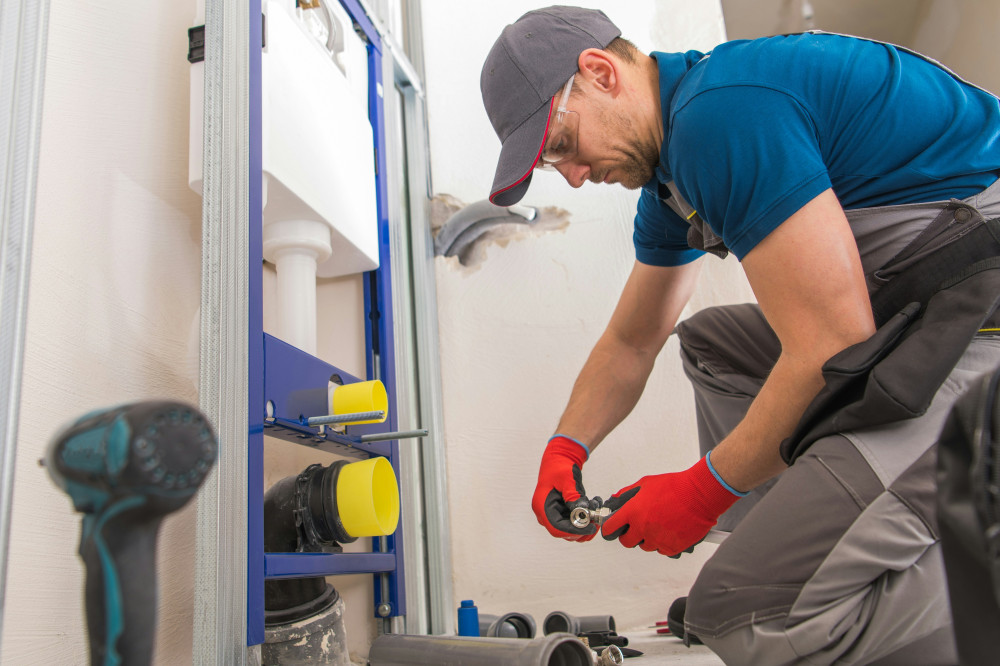
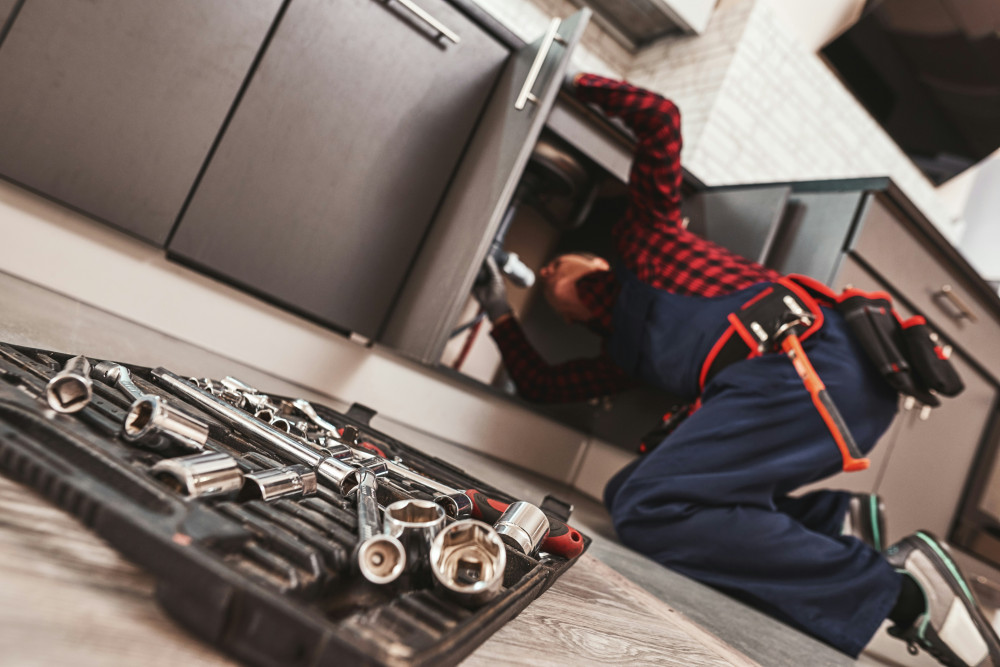
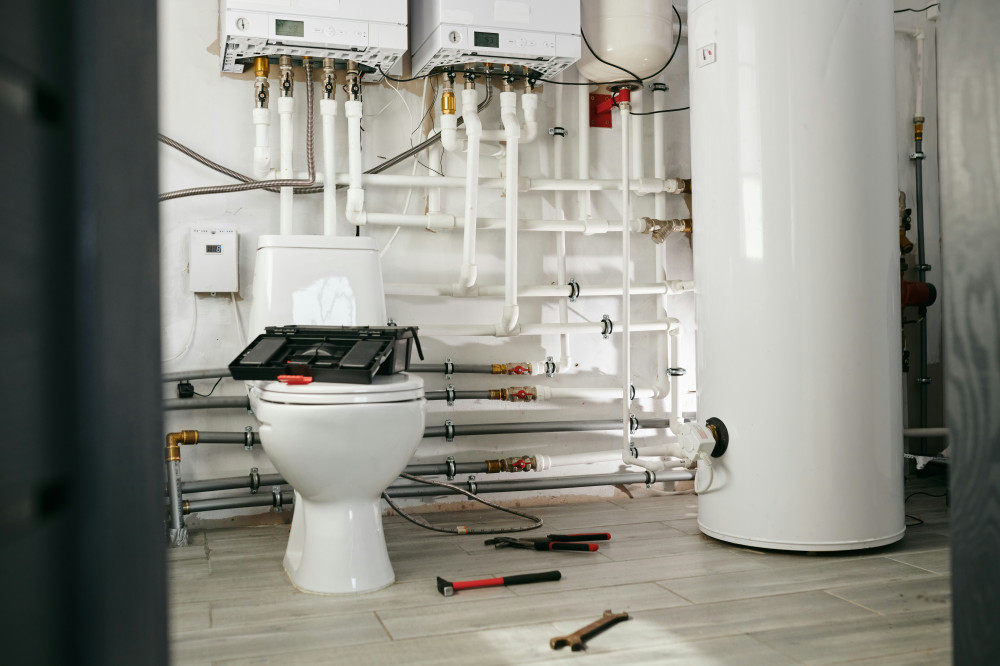
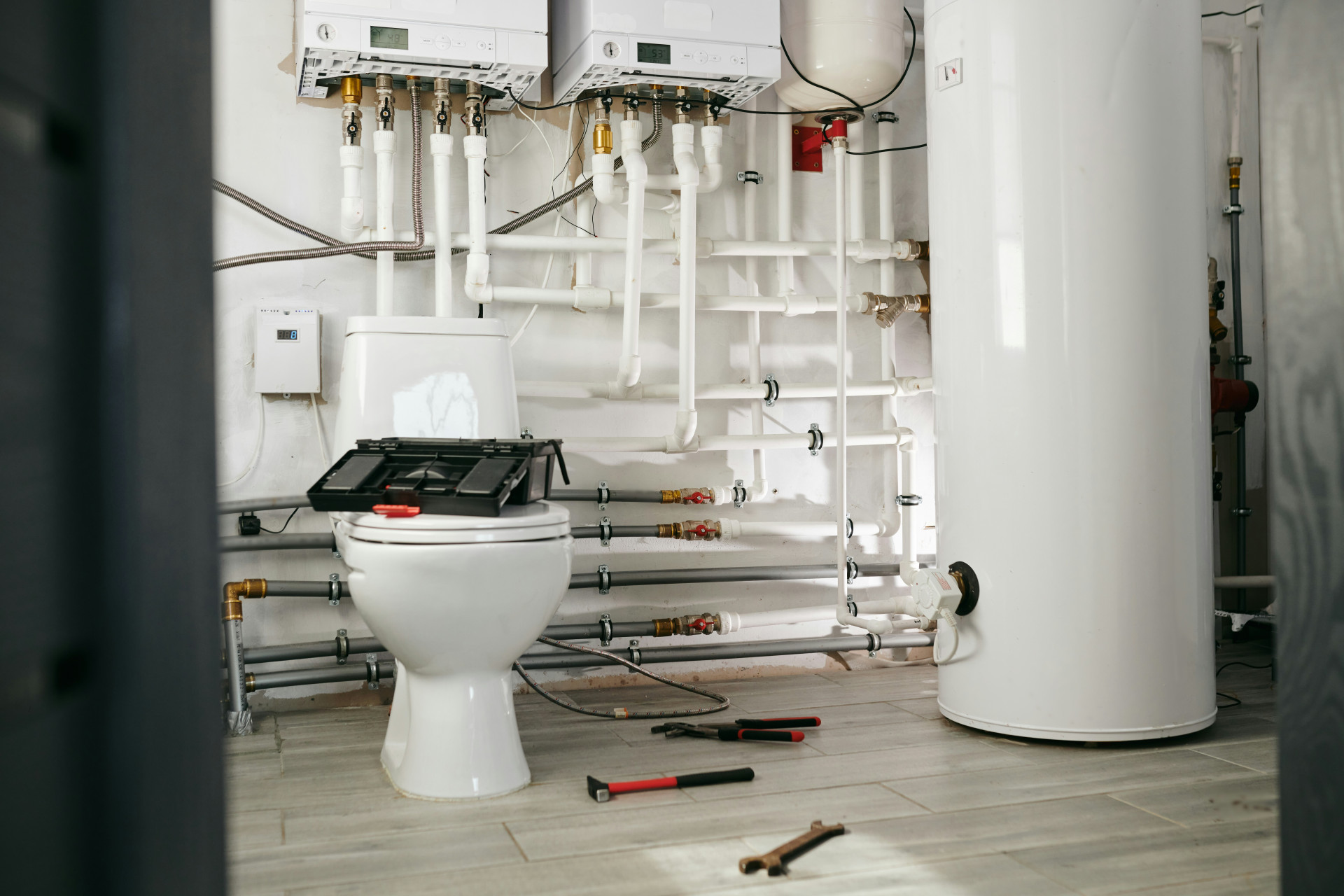
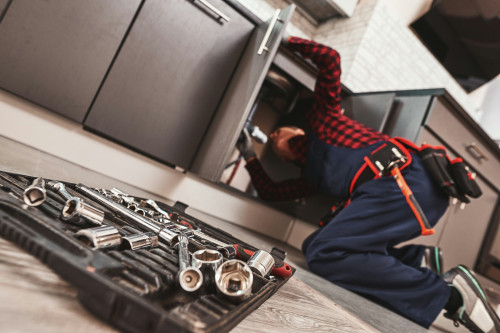
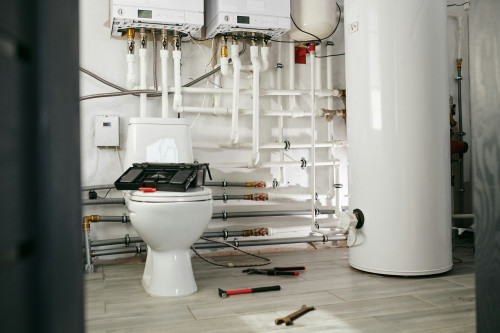
A plumber is a trained professional who installs, repairs, and maintains water supply and drainage systems. In India, this includes everything from connecting homes to municipal sewer lines to setting up septic tanks in rural areas. Their work ensures that wastewater is safely carried away from living spaces and treated properly before it re-enters the environment.
Plumbers must understand not only the technical aspects of pipe installation but also the local conditions—such as soil type, groundwater levels, and rainfall patterns—that affect how wastewater systems perform. In many Indian cities, where rapid urbanisation and old infrastructure create challenges, skilled plumbers are essential to keeping systems running safely and efficiently.
Safety and Environmental Protection
Proper plumbing is not just about convenience; it is about safety. Faulty drainage can lead to contamination of drinking water, dampness in buildings, and the spread of harmful bacteria. In India, where waterborne diseases like cholera and typhoid are still public health concerns, the plumber’s role in maintaining hygienic wastewater systems is vital.
Plumbers must follow national and local standards, such as those set by the Bureau of Indian Standards (BIS) and municipal building codes. They ensure that wastewater is directed to treatment plants or septic systems that meet environmental regulations. In flood-prone areas, they also help design systems that prevent sewage from backing up into homes during heavy rains.
Læs også:

Prevention Is Better Than Repair
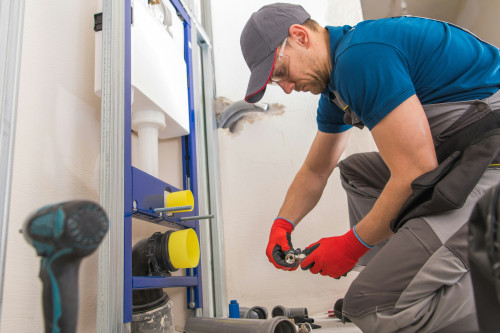
A large part of a plumber’s job involves preventing problems before they occur. Regular inspection and maintenance of drainage systems can save homeowners and businesses from costly damage. Using modern tools like CCTV drain cameras, plumbers can detect blockages, cracks, or root intrusions early and fix them before they cause major issues.
Plumbers also advise on improvements that make systems more resilient—such as installing non-return valves to prevent backflow, or separating stormwater from sewage to reduce the load on treatment facilities. In areas with frequent monsoon flooding, these preventive measures can make a significant difference.
The Plumber as an Advisor
Beyond hands-on work, plumbers often act as advisors to property owners, builders, and local authorities. They can recommend sustainable and cost-effective solutions, such as rainwater harvesting systems, greywater recycling, or eco-friendly materials that reduce environmental impact. In new housing developments or renovation projects, their input helps ensure that plumbing systems are both efficient and future-ready.
With India’s growing focus on Swachh Bharat (Clean India) and sustainable urban development, plumbers play a key role in achieving cleaner, healthier communities. Their expertise supports government initiatives aimed at improving sanitation and reducing pollution.
An Essential Part of Urban and Rural Infrastructure
Although plumbing work often goes unnoticed, it is one of the most critical services in modern society. A well-functioning wastewater system protects public health, prevents flooding, and ensures that our homes and cities operate smoothly—even as climate change brings new challenges.
The plumber is therefore much more than a tradesperson. They are a guardian of hygiene, safety, and sustainability. Their work may take place underground or behind walls, but its impact is visible everywhere—in cleaner water, healthier communities, and the confidence that our wastewater is managed safely and responsibly.
Læs også: