Plants and Sustainability – How to Create a Healthy Indoor Environment

Plants and Sustainability – How to Create a Healthy Indoor Environment
Plants are more than just decorative elements – they can play a vital role in creating a healthier and more sustainable home. They help purify the air, reduce stress, and bring a sense of calm to busy urban lives. In India, where many people live in densely populated cities with high levels of air pollution, indoor plants can make a real difference to your well-being. Here’s how you can use plants to build a greener, healthier indoor environment.
Why Plants Matter
Indoor air can often be more polluted than outdoor air due to dust, cleaning products, and emissions from furniture and electronics. Plants help improve air quality in several ways:
- They produce oxygen through photosynthesis, refreshing the air you breathe.
- They increase humidity, which can ease dry skin and throat irritation, especially during hot summers or in air-conditioned rooms.
- They absorb certain pollutants, such as formaldehyde and benzene, commonly found in paints and synthetic materials.
While plants can’t replace proper ventilation, they are a natural and effective way to make your home more comfortable and inviting.
Choosing the Right Plants for Indian Homes
India’s diverse climate means that plant care can vary depending on where you live. Some plants thrive in humid coastal cities like Mumbai or Chennai, while others prefer the drier air of Delhi or Jaipur. Here are some great options for Indian homes:
- Areca Palm (Dypsis lutescens) – excellent for humidifying the air and adding a tropical touch.
- Money Plant (Epipremnum aureum) – easy to grow, even in low light, and believed to bring good luck.
- Snake Plant (Sansevieria trifasciata) – hardy and ideal for bedrooms, as it releases oxygen at night.
- Aloe Vera – needs little water and offers soothing gel for minor burns and skin care.
- Peace Lily (Spathiphyllum) – helps remove toxins and thrives in shaded corners.
When choosing plants, consider the amount of sunlight your home receives and how much time you can dedicate to care. Native or locally grown plants are often more resilient and sustainable choices.
Læs også:
Sustainable Plant Care
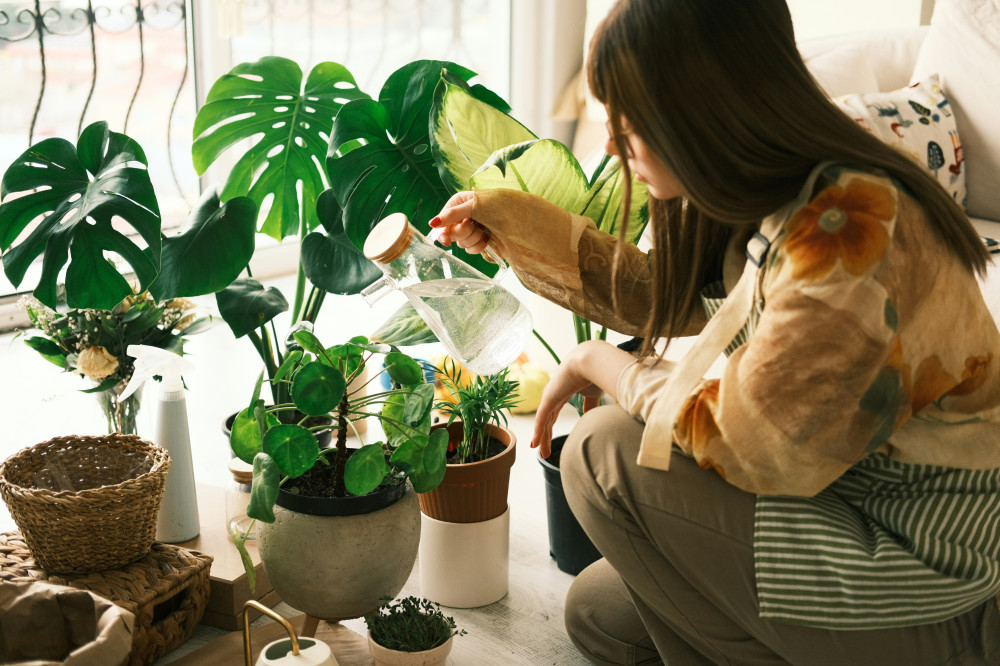
Caring for your plants sustainably means thinking about how you use resources. Small changes can make a big impact:
- Use collected rainwater for watering when possible – it’s better for plants and conserves tap water.
- Reuse containers – old clay pots, metal tins, or glass jars can become charming planters.
- Choose organic soil and compost, avoiding chemical fertilizers that can harm both your plants and the environment.
- Share and exchange plants with friends or neighbours instead of buying new ones – it’s eco-friendly and builds community.
By adopting these habits, your indoor garden becomes part of a circular, sustainable lifestyle.
Green Design for a Calmer Home
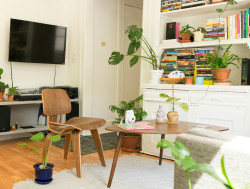
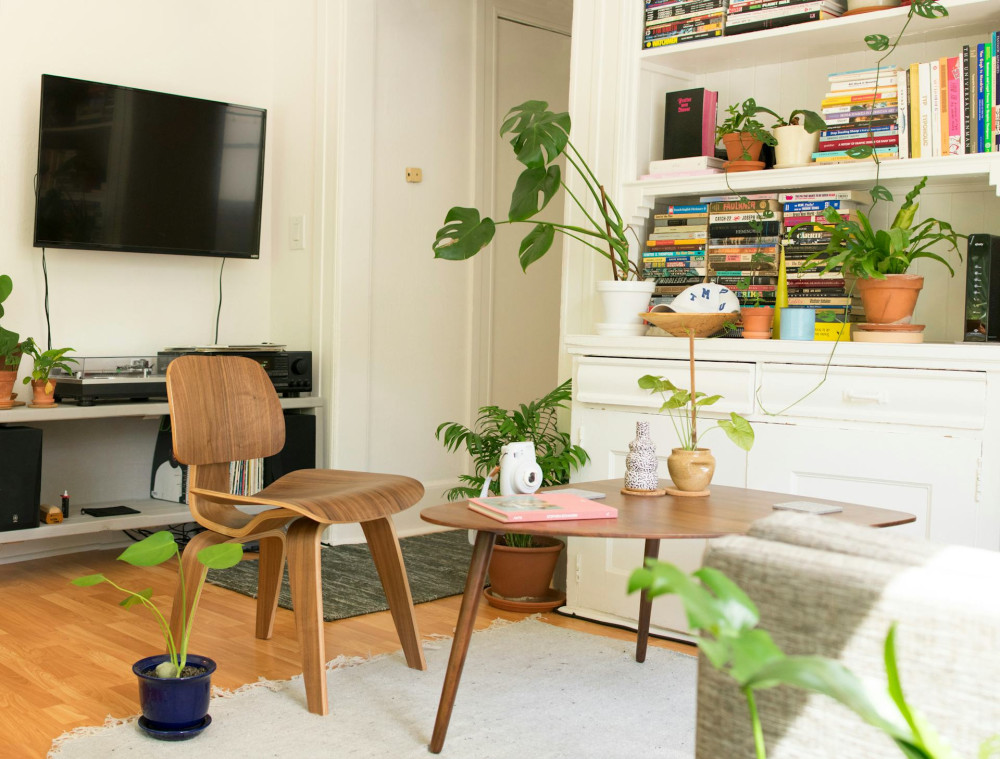
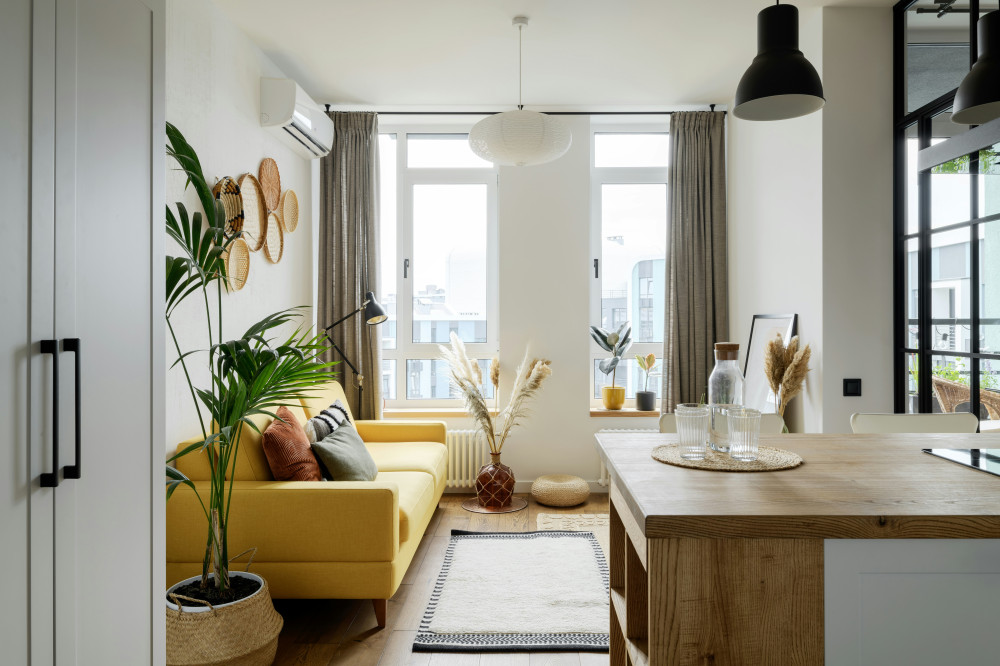
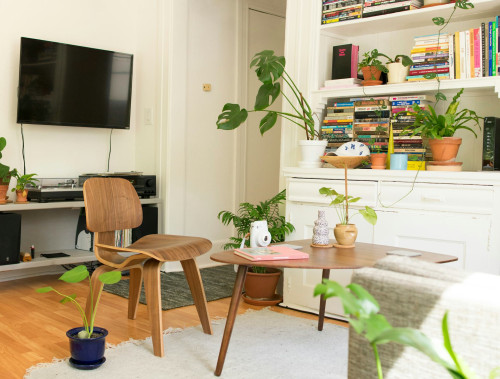
Plants can transform the atmosphere of a room. They soften harsh lines, add colour, and create a sense of balance. Try these ideas:
- Place tall plants in corners to fill empty spaces.
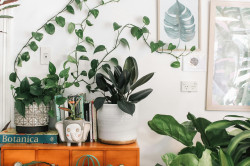
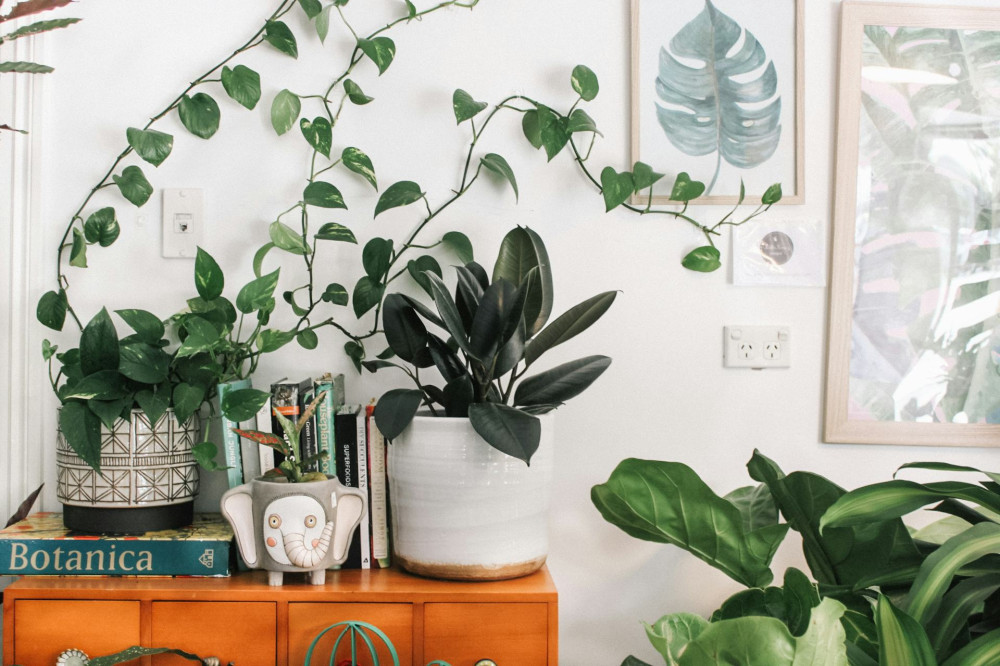
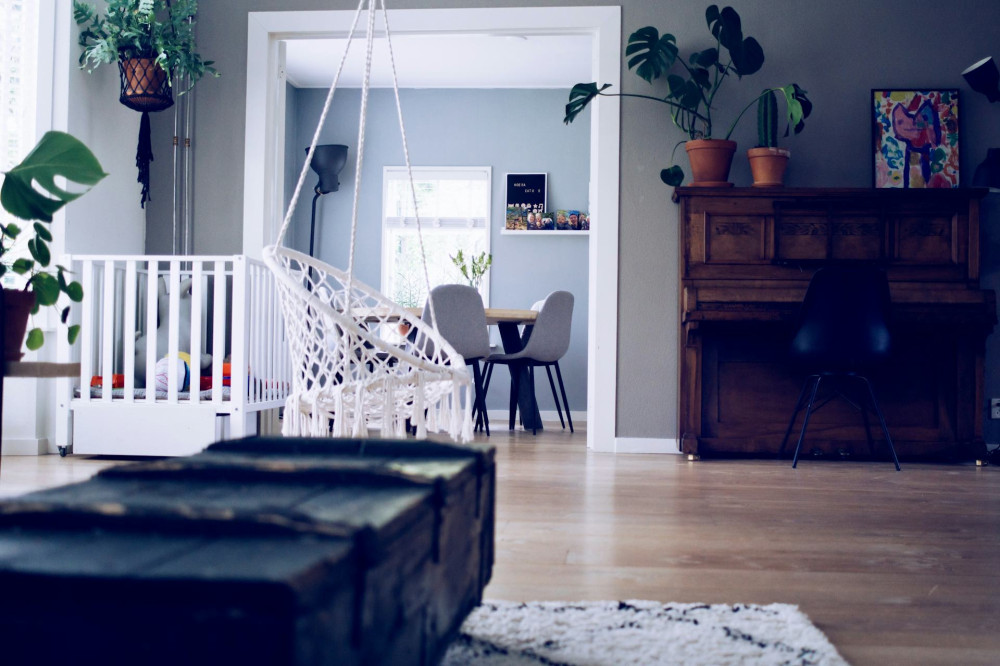
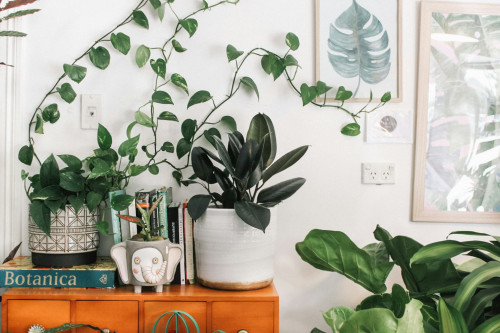
- Hang trailing plants near windows or balconies to make the most of natural light.
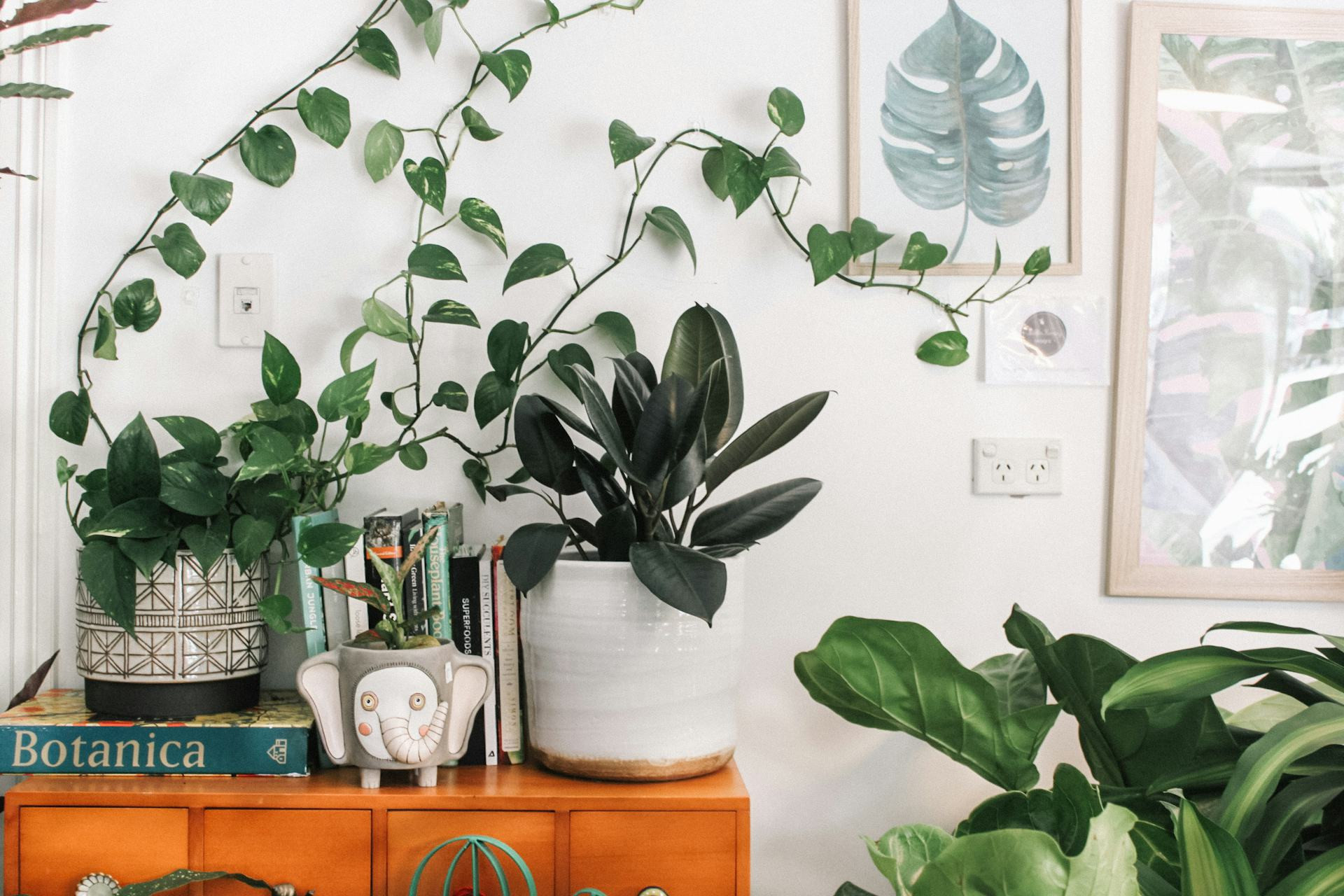
- Mix different leaf shapes and shades of green for a lively, layered look.
- Use plants as natural dividers in open spaces or to reduce noise in busy rooms.
Even small touches of greenery can make your home feel more peaceful and connected to nature.
A Healthier Home Starts with Small Steps
You don’t need a large collection to feel the benefits. Start with a few easy-to-care-for plants and expand as you gain confidence. Over time, you’ll notice fresher air, a calmer mood, and a stronger connection to the natural world.
A green home is not just beautiful – it’s a space where you breathe easier, live more mindfully, and take a meaningful step toward sustainability.
Læs også: