Prepare Your Plants for Winter Rest with Autumn’s Gentle Light

Prepare Your Plants for Winter Rest with Autumn’s Gentle Light
As the monsoon fades and the air turns cooler, India’s gardens and balconies begin to change character. The intense summer sun softens, daylight hours shorten, and many plants naturally slow their growth. Autumn is the perfect time to help your plants transition from active growth to a restful phase before winter. With a few thoughtful adjustments, you can ensure they stay healthy and ready to flourish again when spring returns.
Light: Make the Most of Softer Sunshine
In most parts of India, autumn brings milder sunlight and shorter days. While this is a relief after the harsh summer, it also means your plants receive less energy. Adjust their placement to make the most of the available light.
- South- and west-facing windows or balconies still get good light, but the sun is gentler now. Move light-loving plants like succulents or hibiscus closer to these spots.
- North-facing areas may become too dim, especially in northern India. Consider using a grow light for indoor plants that need consistent brightness.
- Rotate your pots every week so that all sides of the plant receive light evenly and maintain balanced growth.
Watch your plants’ leaves for clues: pale or stretched leaves often signal that they need more light.
Water: Reduce Frequency as Growth Slows
As temperatures drop, plants use less water. Overwatering is a common mistake in autumn because the soil stays moist longer in cooler weather.
Check the soil before watering—press your finger about an inch deep. If it feels dry, water lightly; if it’s still damp, wait a few more days. Tropical houseplants like money plants or peace lilies prefer slightly moist soil, while succulents and cacti can go longer without water.
Always use room-temperature water and ensure pots have good drainage. Avoid letting water collect in trays, as stagnant moisture can cause root rot.
Fertiliser: Let the Plants Rest
Autumn is not the time for heavy feeding. Most plants slow their growth and don’t need extra nutrients. Fertilising now can stress them or lead to salt build-up in the soil.
Pause fertilising from late October until early spring. If you have evergreen or tropical plants that continue to grow—such as areca palms or ferns—feed them with a very diluted liquid fertiliser once every four to six weeks.
Temperature and Humidity: Keep Conditions Stable
In northern India, nights can become quite cool, while in the south, humidity may remain high. Try to maintain a stable indoor environment for your plants.
- Keep them away from cold drafts or direct blasts from heaters.
- Group plants together to create a microclimate with slightly higher humidity.
- If the air becomes too dry, place a bowl of water near your plants or mist them occasionally.
Most indoor plants thrive between 18–25°C. Sudden temperature changes can cause leaf drop or stress.
Pruning and Cleaning: Refresh Before the Rest
Autumn is an excellent time to tidy up your plants. Remove yellowing or damaged leaves and trim back leggy stems. This helps the plant conserve energy and reduces the risk of pests.
Wipe dust off leaves with a soft, damp cloth so they can absorb light more efficiently. For plants with many small leaves, a gentle rinse under lukewarm water works well.
Plants That Need Extra Care
Some popular Indian houseplants and garden favourites need special attention as the seasons shift:
- Ficus varieties (like rubber plants and fiddle-leaf figs) may shed a few leaves when light levels change—don’t worry, they’ll recover in spring.
- Orchids appreciate bright, indirect light and moderate humidity but should not be overwatered.
- Tulsi (holy basil) prefers warmth and sunlight; if nights get too cold, move it indoors near a sunny window.
- Bougainvillea benefits from pruning after flowering to encourage new growth next season.
Læs også:


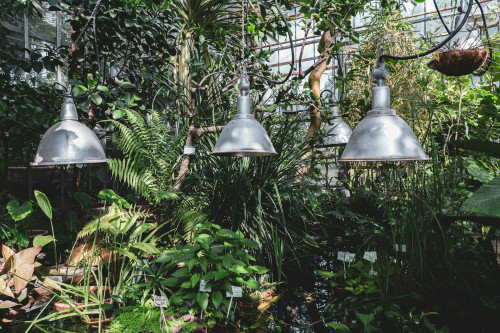
Embrace Autumn’s Calm
Autumn’s gentle light invites both plants and people to slow down. While your plants rest, take time to observe their quiet beauty—the subtle colours, the slower rhythm, the promise of renewal.
By adjusting light, water, and care to match the season, you help your plants conserve their strength and prepare for the vibrant growth that will return with spring. In nurturing them through this peaceful phase, you also connect with nature’s own cycle of rest and renewal.
Læs også: