Prepare Your Home for District Heating

Prepare Your Home for District Heating
As Indian cities move toward cleaner and more efficient energy systems, district heating is emerging as a promising solution for urban and residential areas. It offers a reliable, sustainable, and often cost-effective way to heat homes while reducing dependence on fossil fuels. But before you can enjoy the benefits, your home needs to be ready for the transition. Here’s a guide to help you prepare your property for district heating and make the most of this modern energy solution.
Why Choose District Heating?
District heating works by distributing heat from a central plant—often powered by renewable energy, waste heat from industries, or combined heat and power (CHP) systems—to multiple buildings through insulated underground pipes. This approach is already common in many parts of the world and is now gaining attention in India’s smart city and sustainable housing projects.
For homeowners, district heating means:
- A steady and reliable heat supply
- Lower maintenance compared to individual boilers
- Reduced carbon emissions
- Potentially lower energy bills over time
It’s a step toward a cleaner, more energy-efficient future that aligns with India’s climate goals and growing focus on sustainable urban development.
Check Availability in Your Area
The first step is to find out whether district heating is available—or planned—in your area. Some Indian cities, such as Amaravati, Pune, and parts of Delhi NCR, are exploring pilot projects for district energy systems. You can check with your local municipal corporation, energy utility, or housing society to see if your neighborhood is included in any upcoming network.
If district heating is not yet available, it may still be worth preparing your home for future connection, especially if your area is part of a planned smart city or green housing initiative.
Assess Your Current Heating System
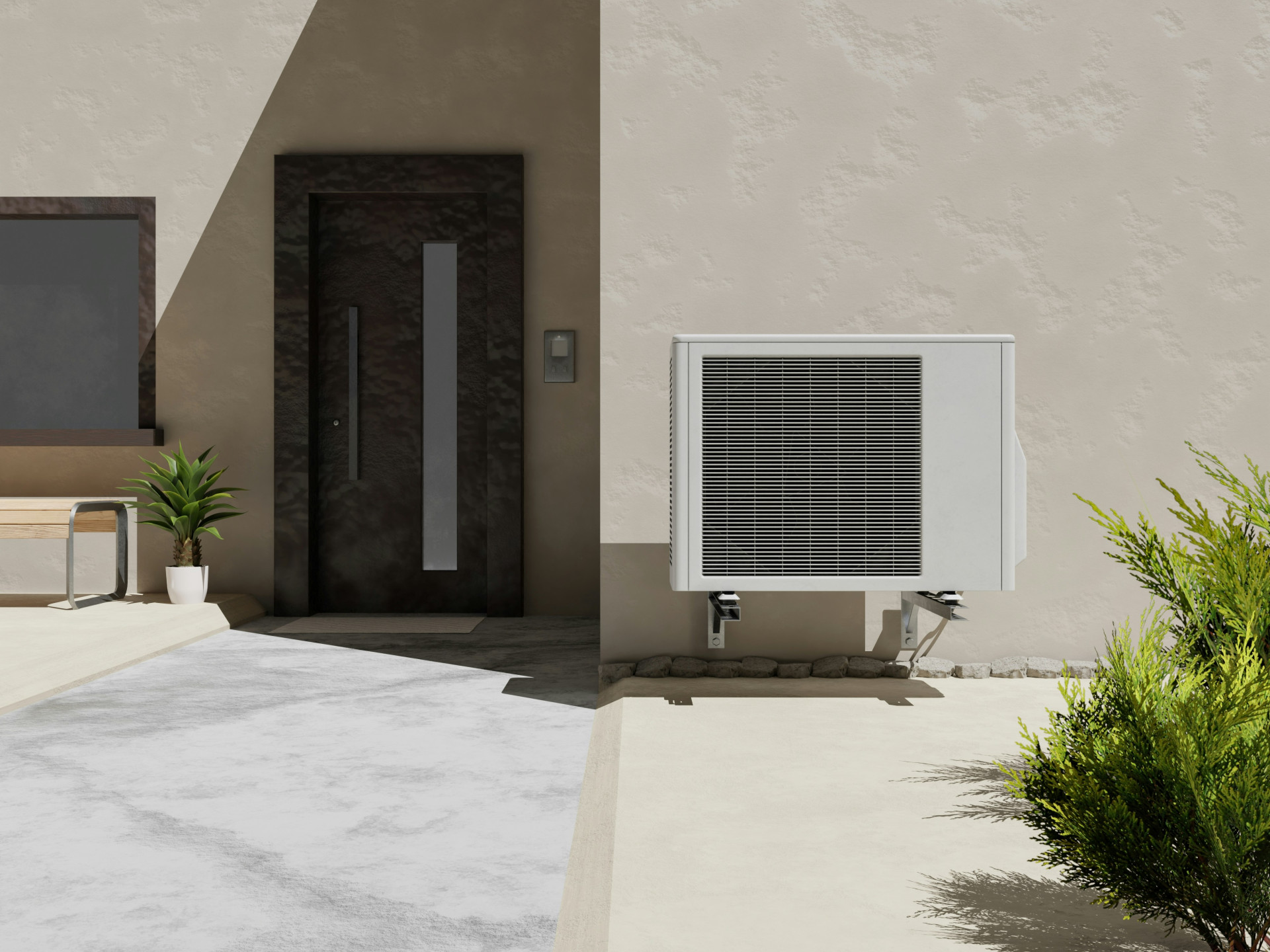
Before installation, review your existing heating setup. Many Indian homes rely on electric heaters, gas geysers, or split air conditioners for heating. These systems will need to be disconnected or adapted when switching to district heating.
Consult a certified HVAC (Heating, Ventilation, and Air Conditioning) technician to evaluate whether your current radiators, piping, or underfloor heating can be integrated with the new system. In some cases, upgrading to more efficient radiators or thermostatic valves can improve performance and comfort.
Prepare the Utility Space
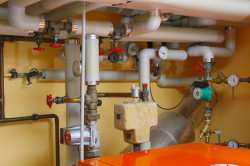
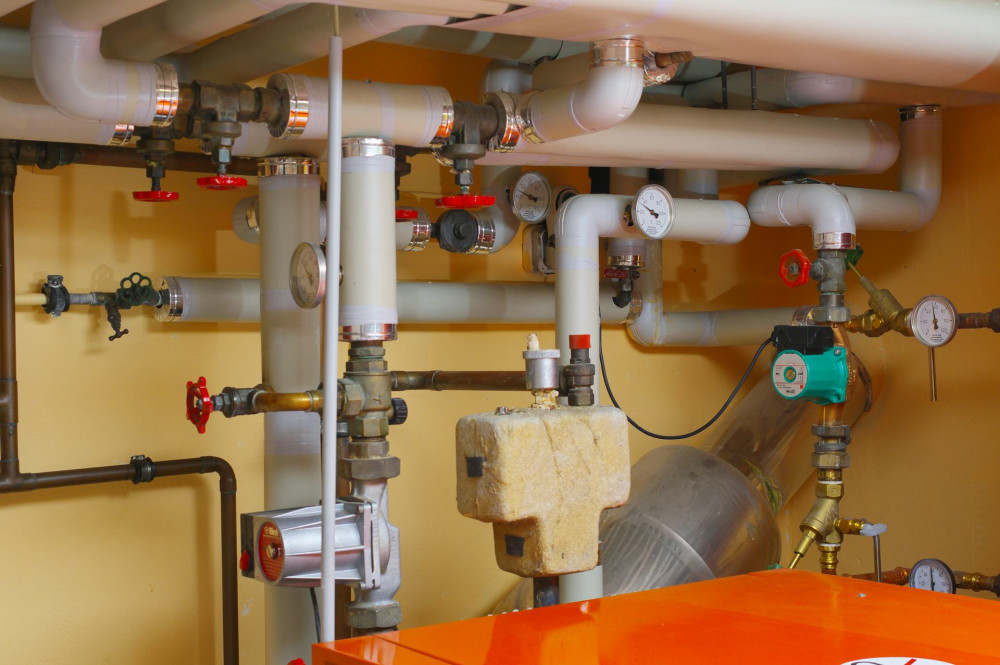
District heating systems require a heat exchanger unit, which transfers heat from the district network to your home’s internal system. This unit is usually installed in a utility area, service room, or near the main water connection.
Make sure there is enough space for the equipment and that the area is clean, accessible, and well-ventilated. If possible, ensure that the floor and walls can handle occasional moisture and that there’s a nearby drain for maintenance purposes.
Improve Your Home’s Insulation
Even with an efficient heating source, poor insulation can lead to energy loss and higher bills. In many Indian homes, heat escapes through uninsulated roofs, thin walls, or leaky windows. Improving insulation will help you get the most out of district heating.
Focus on:
- Roof and ceiling insulation (especially in single-story homes)
- Sealing gaps around windows and doors
- Installing energy-efficient windows or reflective films
- Adding insulation to external walls if possible
These upgrades not only improve comfort during winter but also help keep your home cooler in summer, reducing overall energy use.
Plan the Installation Carefully
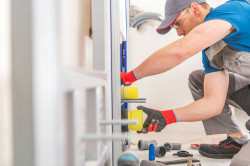
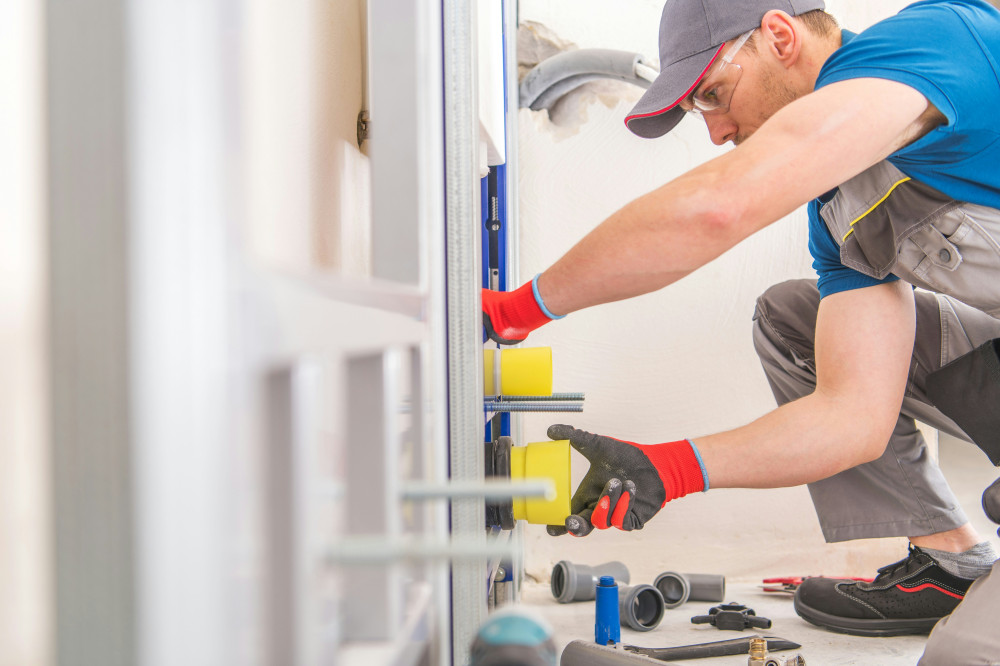
Once you’ve confirmed availability and prepared your home, coordinate with your local district heating provider and a licensed installer. They will handle the connection to the main network and ensure that your internal system is properly configured.
It’s best to schedule installation during the cooler months before peak heating demand begins. Ask your provider about any government incentives, green energy subsidies, or financing options that may be available for sustainable home upgrades.
After Installation – Getting the Best Performance
After your system is connected, it’s important to have it properly balanced and tested. This ensures that heat is distributed evenly and efficiently throughout your home.
To maintain optimal performance:
- Keep room temperatures consistent (around 20–22°C)
- Avoid blocking radiators with furniture or curtains
- Ventilate rooms briefly but effectively to maintain air quality
- Have the system inspected periodically by a professional
District heating systems are designed for low maintenance, but regular checks will help you detect any issues early and maintain efficiency.
Læs også:

A Step Toward a Sustainable Future
Switching to district heating is more than just a technical upgrade—it’s an investment in a cleaner, more sustainable lifestyle. By preparing your home now, you’re contributing to India’s broader transition toward renewable energy and smarter urban living.
With the right preparation, the shift to district heating can be smooth and rewarding, offering you years of comfortable warmth, lower energy costs, and the satisfaction of supporting a greener future.
Læs også: