Prioritize heat improvements with the greatest heating effect

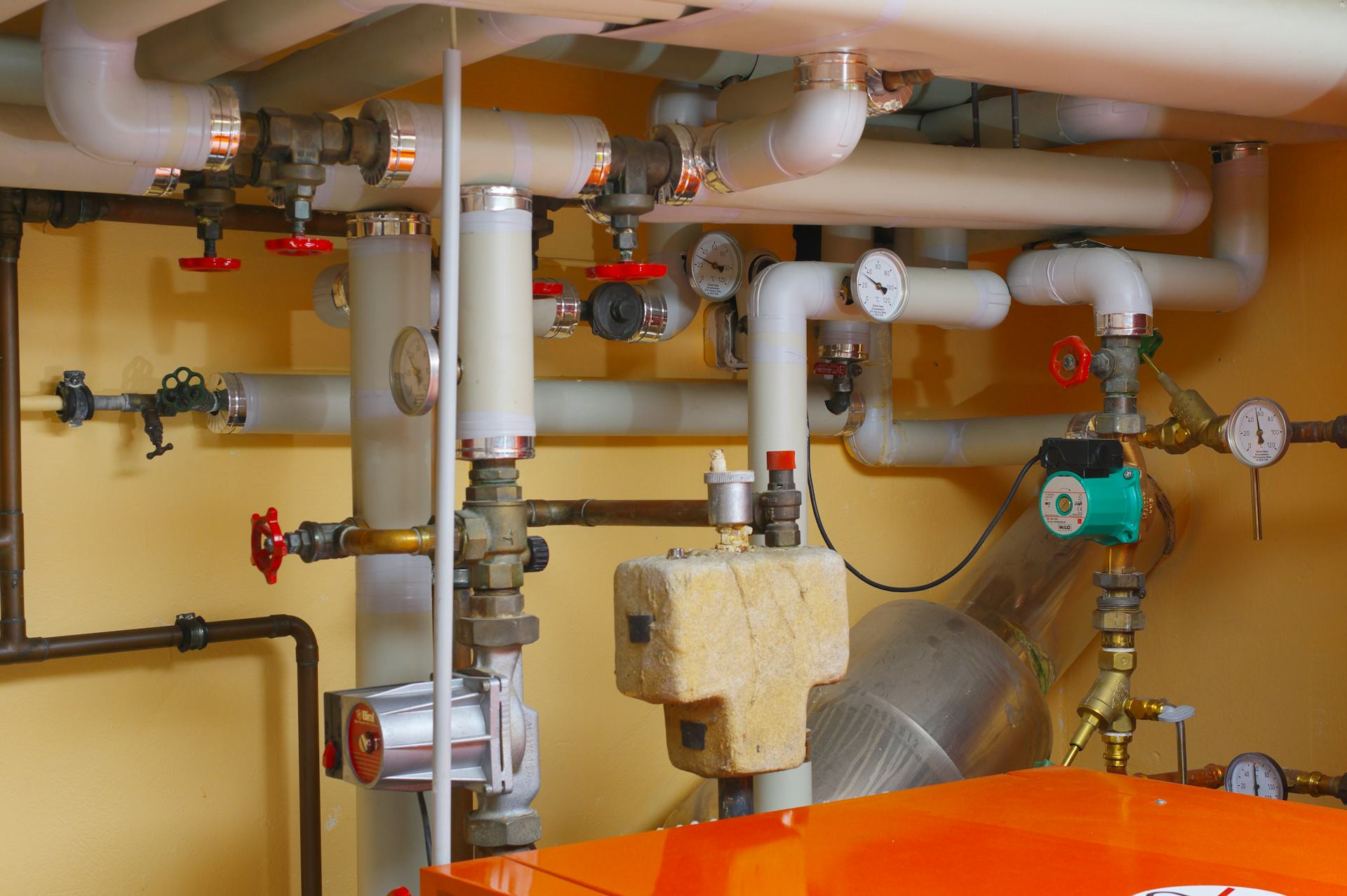
Prioritize heat improvements with the greatest heating effect
When you want to make your home more energy-efficient, it can be tempting to start with the projects that look easiest or most visible. But if your goal is to get the most warmth for your money, it’s important to focus on the improvements that deliver the greatest heating effect. Here’s a guide to help you decide where your efforts will pay off the most – both in comfort and in savings.
Understand your heating needs first
Before you begin, take time to understand how your home loses heat. In many Indian homes, especially in the northern and hill regions, heat escapes through the roof, walls, windows, and floors. The exact pattern depends on the building’s age, materials, and design.
A professional energy audit or a simple thermal inspection can show where heat is being lost. This small investment gives you a clear picture of where to act first.
Læs også:

Insulation – the most effective starting point
In most homes, insulation offers the highest heating benefit for the cost. This is especially true for older houses or those built without proper thermal protection.
- Roof and ceiling: Since warm air rises, poor roof insulation can cause up to 25–30% of heat loss. Adding insulation under the roof or ceiling is often quick and affordable.
- Walls: If your home has cavity walls, filling them with insulation can make a big difference. For solid walls, internal or external insulation is more work but gives excellent results.
- Floors: Insulating floors above basements or crawl spaces helps keep rooms warmer and more comfortable.
Better insulation not only reduces heating costs but also creates a more stable indoor temperature and eliminates cold drafts.
Airtightness and ventilation – small gaps, big impact
Even the best insulation won’t help much if your home is leaky. Cracks around windows, doors, and pipe openings can let warm air escape. Sealing these gaps with weatherstrips, caulk, or new frames is a low-cost but highly effective improvement.
At the same time, ensure controlled ventilation. A ventilation system with heat recovery can reuse up to 80% of the heat from outgoing air, providing fresh air without losing warmth.
Windows and doors – upgrade when it makes sense
Old single-glazed or basic double-glazed windows are major sources of heat loss. Replacing them with modern energy-efficient windows can significantly reduce heat loss, but it’s a larger investment. Therefore, prioritize this after insulation and sealing.
If your window frames are still in good condition, consider replacing only the glass panes or adding secondary glazing. This gives much of the benefit at a lower cost.
Heating system – efficiency and control
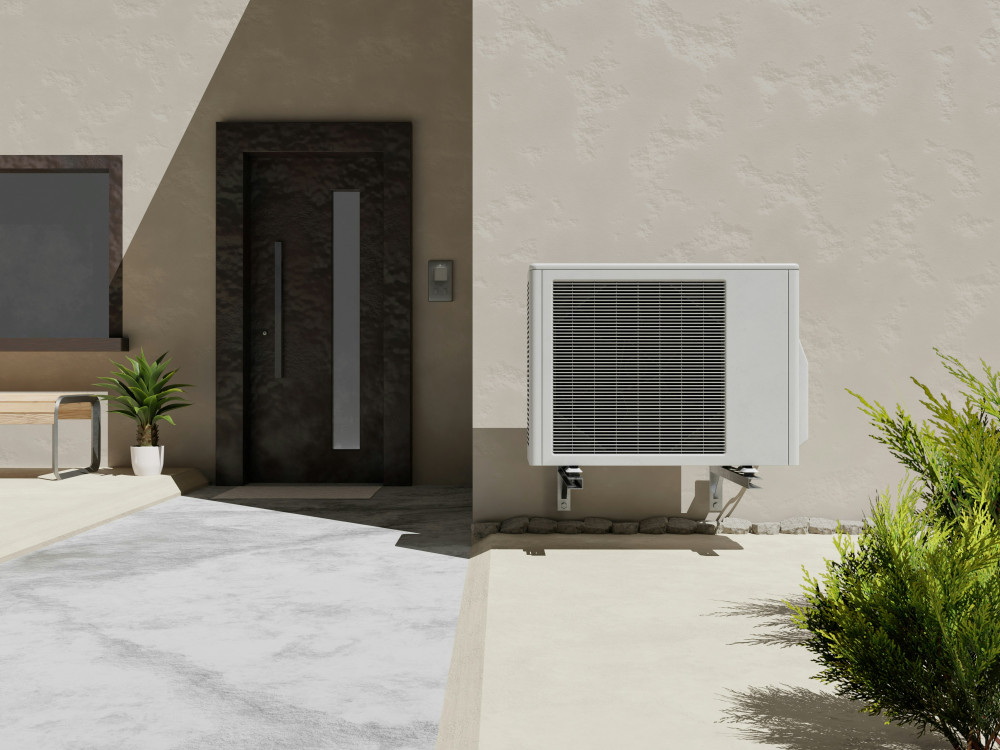
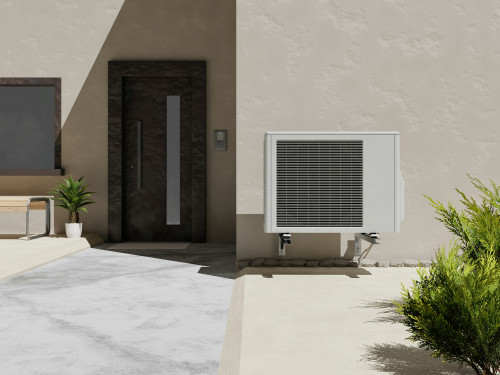
Once your home is well insulated, you can get even more value by improving your heating system. Replacing an old electric heater or inefficient gas unit with a heat pump can greatly increase efficiency and reduce energy bills.
Also, pay attention to temperature control. Smart thermostats and programmable systems ensure you use energy only when needed, keeping your home comfortable without waste.
Prioritize by effect and cost
A good rule of thumb is to start with the improvements that give the most heat savings per rupee spent. Typically, the order looks like this:
- Roof and wall insulation
- Sealing air leaks
- Ventilation with heat recovery
- Upgrading windows and doors
- Improving the heating system and controls
By following this order, you’ll see quick results and build a strong foundation for future upgrades.
Comfort and sustainability go hand in hand
Heat improvements aren’t just about saving money. A well-insulated and airtight home feels more comfortable – no cold walls, no drafts, and a steady indoor temperature. At the same time, you reduce your carbon footprint by using less energy for heating.
By prioritizing the improvements with the greatest heating effect, you achieve lower energy bills, a more comfortable living space, and a more sustainable home – a win for both you and the environment.
Læs også: