The Function of a Wood-Burning Stove – How to Use It Most Efficiently


The Function of a Wood-Burning Stove – How to Use It Most Efficiently
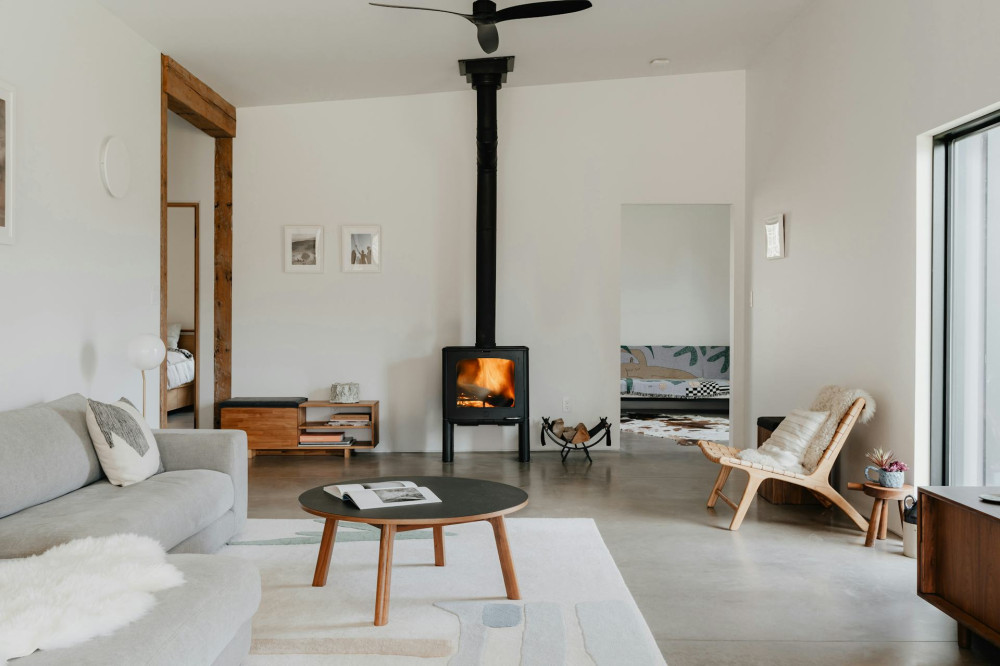
A wood-burning stove is more than just a rustic centerpiece – it can be an efficient and sustainable way to heat your home, especially in areas where firewood is readily available. In many parts of India, from the Himalayan foothills to rural villages, wood remains a common fuel source. However, using a stove incorrectly can waste energy, produce excess smoke, and harm both health and the environment. Here’s a guide to how a wood-burning stove works and how you can use it most efficiently for warmth, comfort, and cleaner air.
How a Wood-Burning Stove Works
A wood-burning stove converts the chemical energy stored in wood into heat through combustion. When wood burns, its carbon and hydrogen react with oxygen in the air, releasing heat, water vapor, and carbon dioxide.
Modern stoves are designed to make this process as efficient as possible. Many include a secondary combustion system, which burns the gases and particles that would otherwise escape as smoke. This means more heat from the same amount of wood and less pollution.
For this system to work properly, the stove needs two things: dry wood and adequate airflow. Without these, the fire will smolder instead of burn cleanly.
Use Dry Wood – It Makes All the Difference
Wet or green wood is the biggest cause of poor combustion. When wood contains too much moisture, much of the heat is wasted evaporating water instead of warming your room.
Always use wood with a moisture content below 18%. You can check this with a simple moisture meter, available in most hardware stores. If you cut your own firewood, let it season for at least one year – preferably two – in a well-ventilated, covered area. Avoid sealing it under plastic sheets, as that traps moisture.
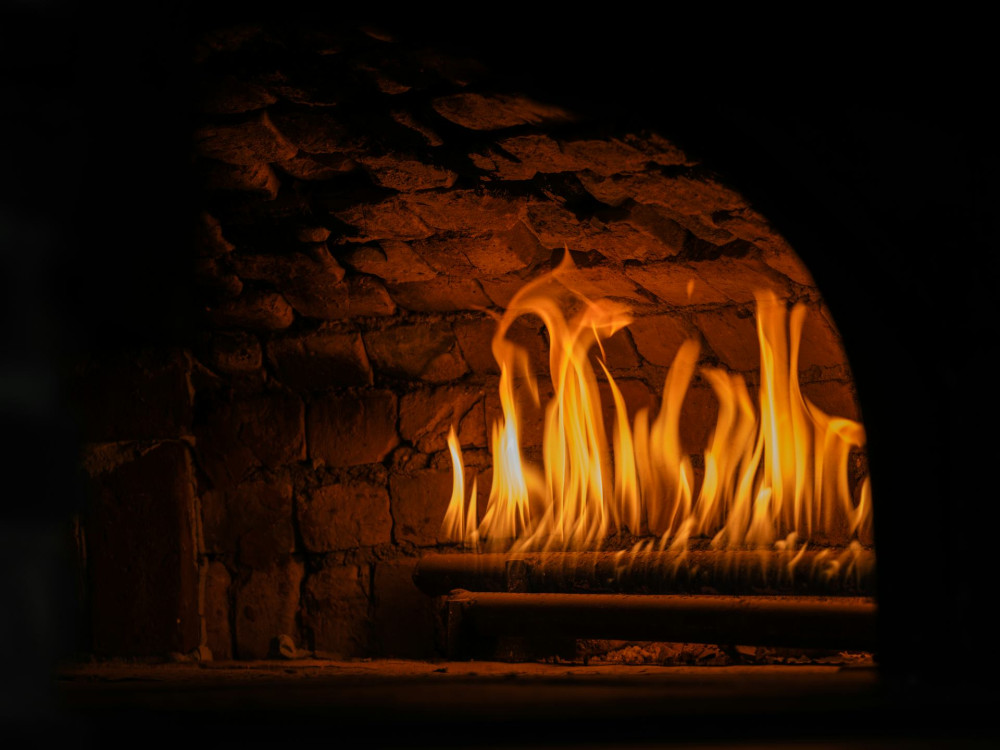
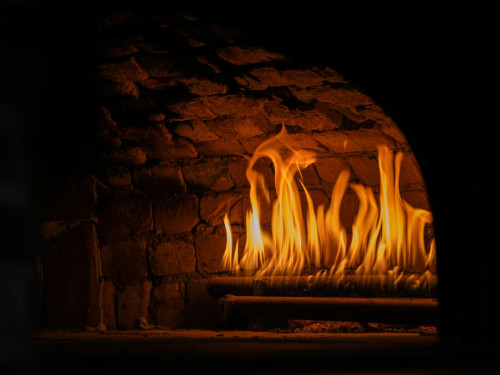
Dry wood burns with bright yellow flames and produces little smoke. Damp wood, on the other hand, gives off dark smoke, soot, and an unpleasant smell.
Light the Fire the Right Way
Many people start their fire from the bottom with large logs, but this leads to slow ignition and incomplete burning. The most efficient method is the top-down lighting technique:
- Place two or three larger logs at the bottom.
- Add a layer of smaller pieces of wood on top.
- Finish with kindling and a couple of firelighters at the very top.
- Light the fire from the top.
This method allows the fire to burn downward, creating a steady flame, less smoke, and faster heat. It also prevents the fire from being smothered by its own smoke in the early stages.
Ensure Good Airflow
Oxygen is essential for clean combustion. If you close the air vents too much, the fire will not get enough oxygen, and the wood will smolder instead of burn.
Keep the air vents fully open when lighting the fire. Once the flames are stable, you can reduce the airflow slightly to maintain a steady burn. A good rule of thumb: if you can see clear flames, the fire is burning efficiently.
Some modern stoves come with automatic air control systems that adjust airflow for optimal burning. If your stove has this feature, use it to maintain consistent performance.
Avoid Overfiring
It might be tempting to fill the stove completely, especially on cold nights, but overloading can cause excessive heat that damages the stove and chimney. Instead, add smaller amounts of wood regularly. Place new logs on glowing embers rather than on a dying fire – this keeps the temperature stable and the combustion efficient.
If your stove has a thermometer, aim for an operating temperature between 250°C and 350°C. This range ensures maximum efficiency without overheating.
Læs også:

Clean and Maintain Your Stove
A clean stove works better and lasts longer. Remove ash regularly, but leave a thin layer at the bottom – it helps insulate and maintain heat. Clean the glass window with a damp cloth dipped in a bit of ash; it’s a simple and effective natural cleaner.
At least once a year, have your chimney or flue cleaned by a professional. This prevents soot buildup, improves airflow, and reduces the risk of chimney fires. In areas where wood is used daily, more frequent cleaning may be necessary.
Efficiency, Economy, and Environment
When you burn wood correctly, you get more heat from less fuel and release fewer pollutants. This is good for your wallet and for the air quality in your community.
One kilogram of dry wood contains about 4 kWh of energy. With efficient burning, you can use up to 80–85% of that energy. Poor burning, however, may waste nearly half. By improving your technique, you save money on firewood and contribute to cleaner air – an important step in reducing indoor and outdoor pollution.
Warmth with Care
A wood-burning stove can bring both comfort and sustainability to your home, but only if used properly. Dry wood, good airflow, and correct lighting are the keys to efficient and eco-friendly heating.
When you master these simple principles, you’ll enjoy a warm, cozy home while knowing you’re using your stove responsibly – with care for your health, your surroundings, and the environment.
Læs også: