Water Use and Energy – Understanding Their Connection in Home Heating

Water Use and Energy – Understanding Their Connection in Home Heating
When we think about energy use at home, electricity and fuel bills usually come to mind. But water use—especially hot water—plays a much bigger role than many people realize. Every time you turn on the tap for a warm shower or wash dishes, you are not only using water but also the energy required to heat it. Understanding this link between water and energy can help Indian households save money and reduce pressure on both the power grid and the environment.
Why Hot Water Consumes Energy
Heating water requires energy, whether it comes from an electric geyser, a gas water heater, or a solar water heating system. The more hot water you use, the more energy is needed to heat it. In many Indian homes, water heating can account for 15–25% of total household energy use, depending on the climate, family size, and type of heating system.
In regions with cooler winters—such as North India—energy use for water heating can rise sharply during the cold months. Even in warmer areas, frequent use of hot water for bathing and cleaning adds up over time.
The Journey of Water Through the Home
To understand how water and energy interact, it helps to look at the path water takes through your home:
- Cold water supply: Water enters the home from the municipal supply or a borewell, often at temperatures between 20–30°C depending on the season.
- Heating: The water is heated using electricity, gas, or solar energy, typically to around 50–55°C.
- Usage: Hot water is used in showers, kitchens, and washing machines.
- Drainage: Once used, the warm water flows down the drain—along with the energy that was used to heat it.
This means that every litre of hot water wasted is also wasted energy.
Small Changes, Big Savings
Reducing hot water use doesn’t have to mean sacrificing comfort. A few simple changes can make a noticeable difference:
- Shorter showers: A 10-minute shower with a standard showerhead can use over 80 litres of water. Reducing shower time by just a few minutes saves both water and energy.
- Low-flow fixtures: Installing water-saving showerheads and taps can cut water use by up to 40% without reducing water pressure.
- Temperature control: Setting your geyser to around 50°C is usually sufficient for comfort and safety, and it prevents unnecessary energy use.
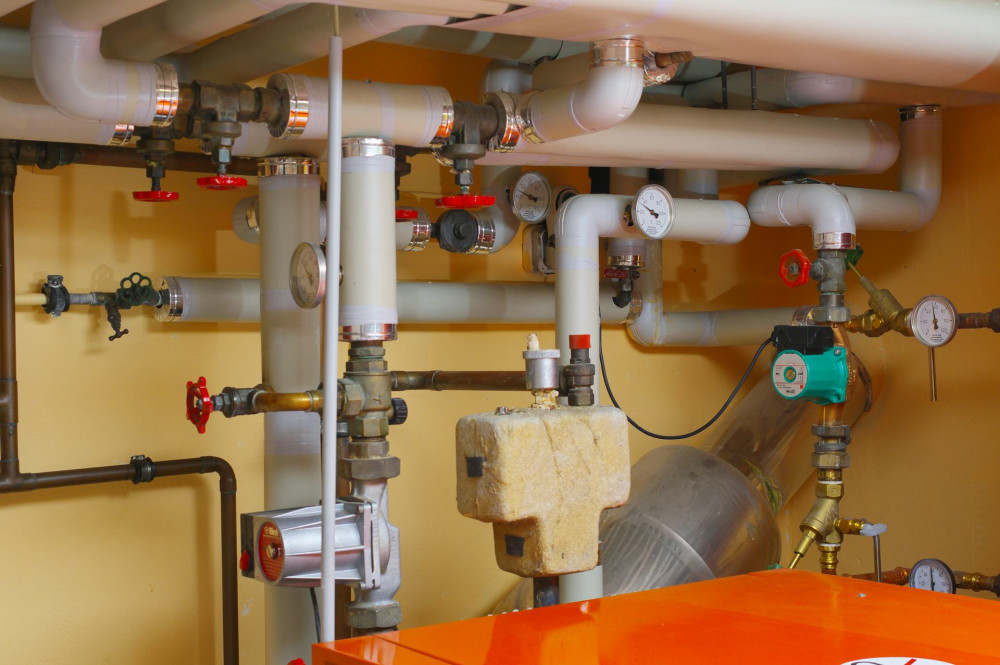
- Insulate pipes and tanks: Poorly insulated pipes lose heat quickly, especially in cooler regions. Insulation helps maintain water temperature and reduces reheating needs.
- Solar water heaters: In many parts of India, solar water heating is a cost-effective and eco-friendly option. Once installed, it can provide most of your hot water needs with minimal ongoing energy costs.
Technology and Smarter Energy Use
Modern technology makes it easier to monitor and manage both water and energy use. Smart meters and home energy management systems can show how much hot water is being used and when. This information helps households adjust habits and detect leaks or inefficiencies early.
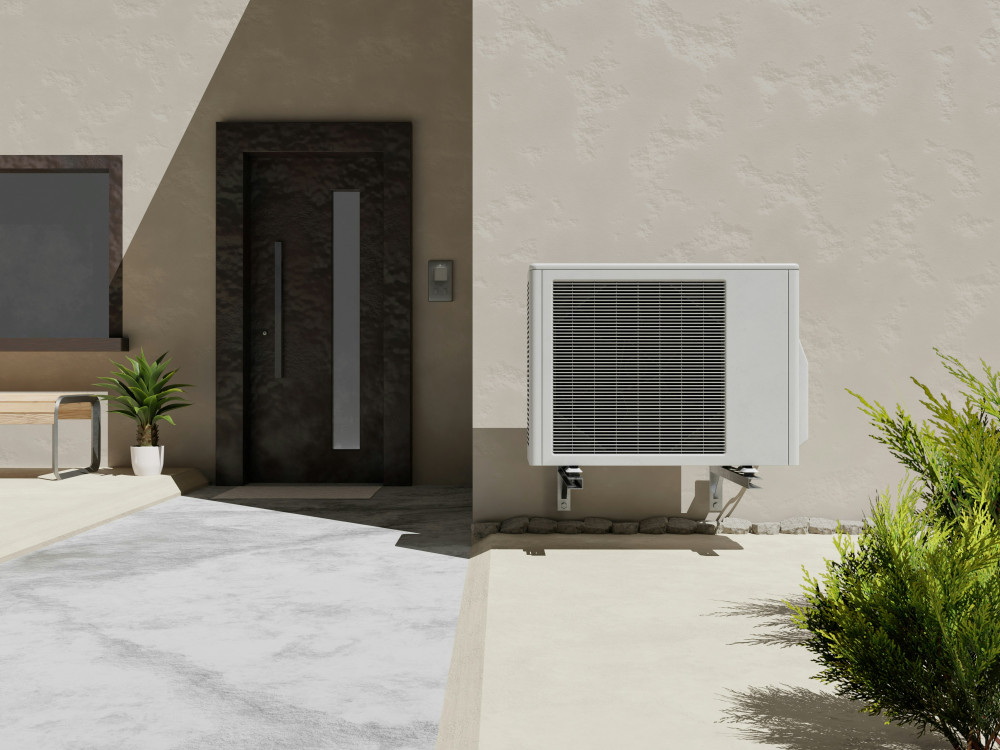
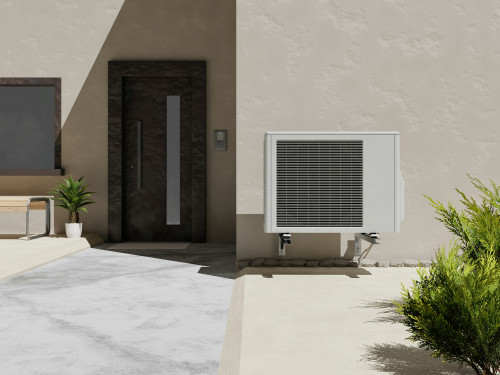
Combining solar water heaters with efficient backup systems—such as heat pump water heaters—can further reduce energy consumption. These systems use ambient heat from the air to warm water, consuming far less electricity than traditional geysers.
Environmental Benefits of Saving Hot Water
Every unit of electricity or gas saved in heating water reduces greenhouse gas emissions. In India, where much of the electricity still comes from fossil fuels, this reduction is significant. Using less hot water means lower energy demand, fewer emissions, and less strain on local water resources.
For example, a family that reduces its hot water use by 20% could save hundreds of kilowatt-hours of electricity per year—equivalent to preventing dozens of kilograms of CO₂ emissions.
Læs også:

Seeing the Home as a Whole System
Thinking about water and energy together helps us view the home as an interconnected system. When you use less hot water, you automatically use less energy. When you improve insulation or switch to solar heating, you reduce both energy bills and environmental impact.
By understanding this connection, Indian households can make smarter choices—whether it’s investing in efficient appliances, maintaining solar systems, or simply changing daily habits. These small steps add up to meaningful savings for families and a more sustainable future for the country.
Læs også: