Stay Warm with Textiles and Furniture at Home

Stay Warm with Textiles and Furniture at Home
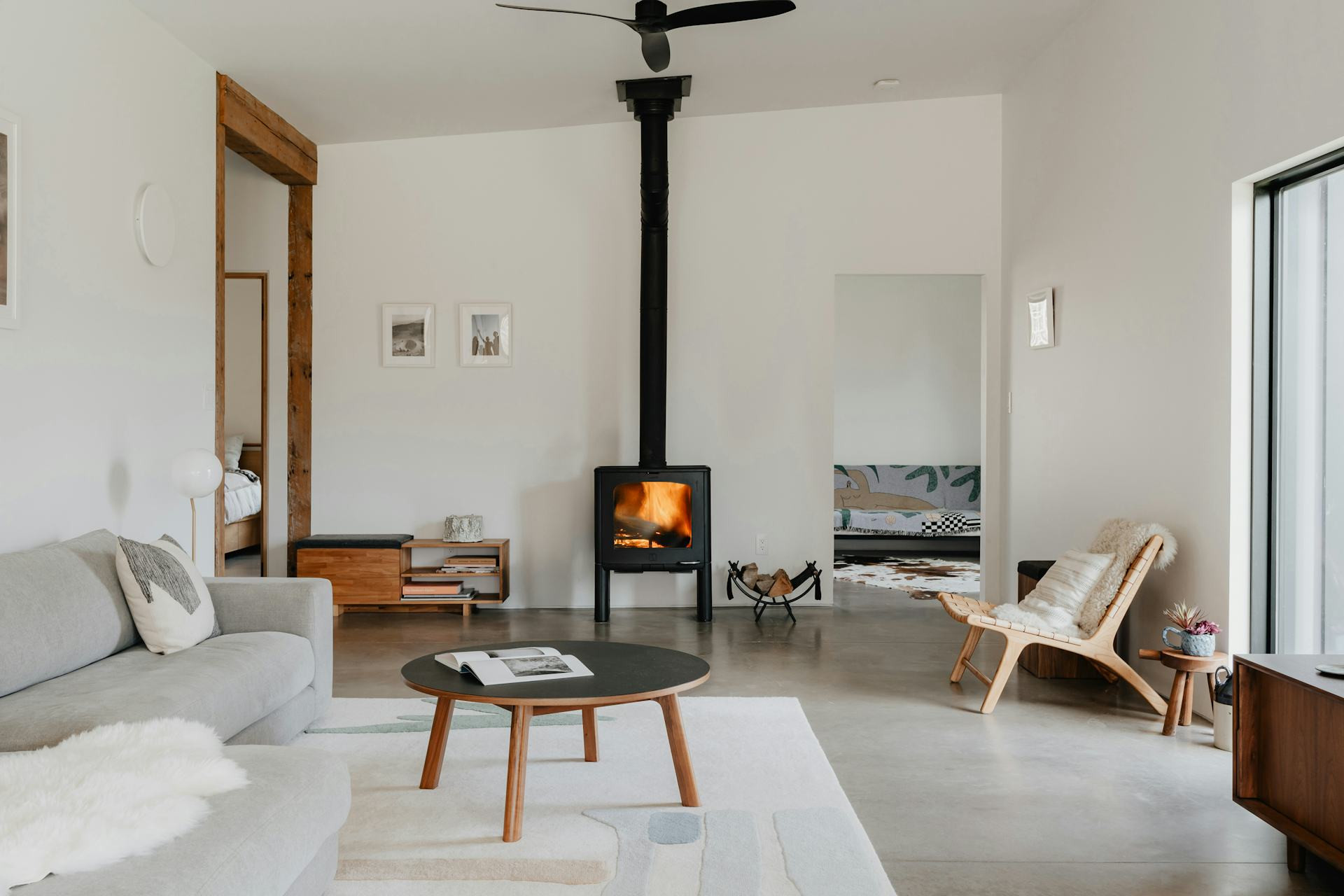
When the chill of winter sets in across northern India or the hill regions, keeping your home warm and comfortable becomes a priority. While heaters and blowers can help, they also consume a lot of electricity. A smarter, more sustainable way to stay warm is to use what you already have — your textiles and furniture. The right fabrics, materials, and arrangements can make your home feel cozy and inviting, even when the temperature drops. Here’s how you can bring warmth into your living space through thoughtful design and simple choices.
Textiles That Keep the Cold Away
Textiles are your home’s natural insulation. They trap warmth, reduce drafts, and add softness to every room.
- Rugs and Carpets – A thick rug under your coffee table or beside your bed can make a big difference, especially if you have marble or tile floors. Wool or jute rugs are great options that add both warmth and texture.
- Curtains with Weight – Heavy curtains made of cotton, velvet, or thick blends help block out cold air from windows. Keep them open during the day to let in sunlight, and draw them at night to retain the heat.
- Throws and Cushions – Keep a few warm throws or shawls on your sofa or armchair. Wool, fleece, or handwoven cotton blankets are perfect for wrapping up during chilly evenings.
Even small touches — like layering fabrics or adding a quilted bedspread — can make your home feel significantly warmer.
Furniture Placement Matters
The way you arrange your furniture can affect how heat circulates in your home. A few adjustments can make your space more comfortable without extra energy use.
- Keep Space Around Heat Sources – If you use a room heater, make sure large furniture pieces aren’t blocking it. Allow warm air to move freely through the room.
- Avoid Cold Walls – Outer walls can feel cold, especially in older buildings. Pull your bed or sofa a few inches away from these walls to reduce the chill.
- Create Cozy Corners – Arrange a reading nook or relaxation spot with a soft chair, a rug, and a lamp. These small, warm zones make it easier to stay comfortable without heating the entire house.
By thinking about how your furniture interacts with the space, you can make your home feel warmer and more efficient.
Materials That Feel Naturally Warm
Some materials naturally give off a sense of warmth, both visually and physically. Choosing the right ones can transform the atmosphere of your home.
- Wooden Furniture – Wood retains warmth better than metal or glass and adds a natural, earthy feel. A wooden dining table or bookshelf can make a room feel instantly cozier.
- Upholstered Pieces – Fabric-covered sofas and chairs feel warmer than leather or plastic. Choose cotton, linen, or wool blends for comfort and breathability.
- Natural Fabrics – Handloom cotton, wool, and silk are excellent for cushions, curtains, and bed linen. They regulate temperature and add a touch of Indian craftsmanship to your décor.
Opting for materials that look and feel warm helps create a home that’s both stylish and comfortable.
Warmth Through Light and Colour
While lighting and colour don’t change the actual temperature, they strongly influence how warm a room feels. Shades like mustard, terracotta, rust, and deep beige bring a sense of coziness. Combine these with soft, warm lighting — table lamps, floor lamps, or fairy lights — to create a soothing glow.
Candles or diyas can also add a gentle warmth to your evenings, especially during festive or winter nights.
Læs også:



Simple Habits for a Warmer Home
Warmth isn’t just about décor — it’s also about daily habits. Close curtains after sunset, shut doors between warm and cool rooms, and wear warm socks or slippers indoors. These small actions, combined with the right textiles and furniture, can make your home more energy-efficient and comfortable.
A Warm Home Is a Comfortable Home
Staying warm is about more than just temperature — it’s about feeling at ease in your space. With soft fabrics, natural materials, and thoughtful arrangements, you can create a home that embraces the season rather than resists it. A few mindful changes can help you stay cozy, save energy, and enjoy the beauty of winter right from your living room.
Læs også: